
Last updated September 23, 2026
Insulation Cost Breakdown: The Pomona Homeowner’s Reference for 2026
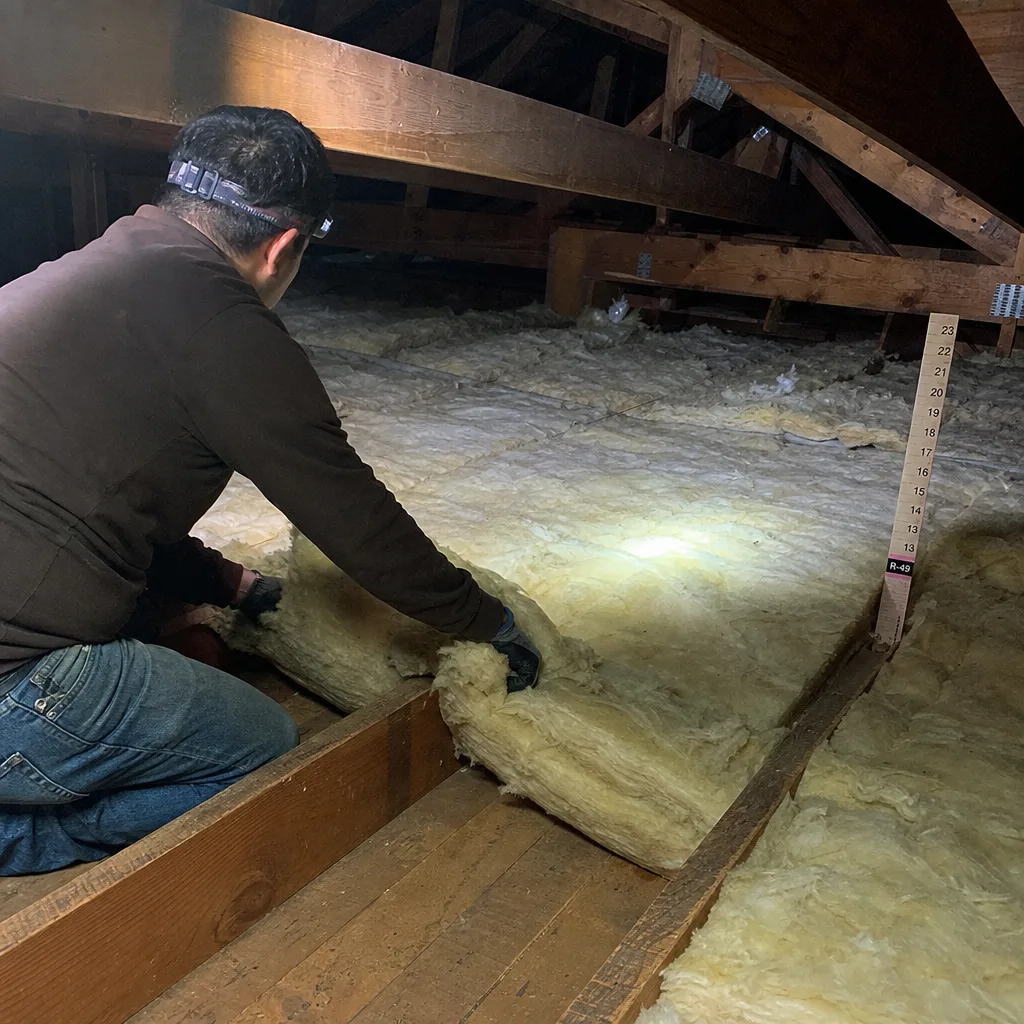
Two Pomona attic insulation bids for “R-38 blown cellulose, 1,400 sq ft” came in at $1,800 and $3,100 for the same house. The difference was not margin. One contractor included 14 hours of air sealing labor and a post-installation blower-door test. The other didn’t mention either. In Pomona’s Climate Zone 10, where summer attic temperatures exceed 140°F and SCE tiered rates punish inefficient homes, this gap explains why identical-sounding scopes produce 40-60% price variation. This guide breaks every line item so you can compare bids on equal terms, spot what’s missing, and understand what you’re actually paying for, or see our Insulation Permits, Codes & Inspections in CA: What You Need to Know for regulatory context.
Quick Answer
A complete attic insulation job for a typical 1,400 sq ft Pomona home in 2026 runs $2,400-$3,800 when air sealing, materials, labor, and documentation are included. The same scope without air sealing or blower-door verification can appear as low as $1,600-$2,200, but those bids are quoting a fundamentally different building performance outcome. Material choice (cellulose versus fiberglass), penetration count, and whether HERS verification is included drive most of the remaining variation.
Table of Contents
- Why Pomona Insulation Bids Vary by 40-60% for the Same Scope
- Line-Item Cost Breakdown: A Typical 1,400 Sq Ft Pomona Attic
- What Air Sealing Labor Actually Costs Per Penetration
- HERS Verification, Rebates, and Resale Documentation
- The Real Cost of Under-Insulating in Pomona’s Climate
- What Drives Contractor Cost Variation Beyond Margin
- Material Comparison: Cellulose, Fiberglass, and Spray Foam
- Permits, Title 24, and Los Angeles County Requirements
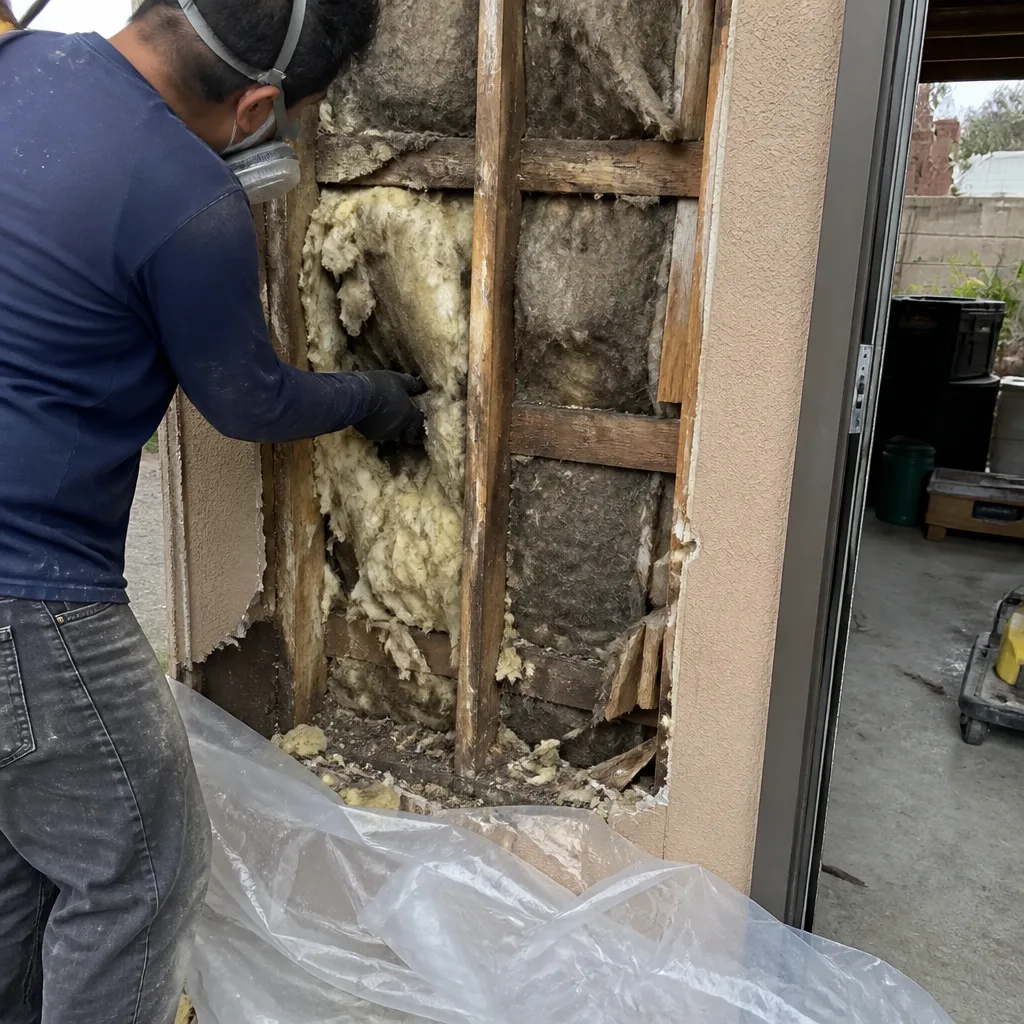 Before
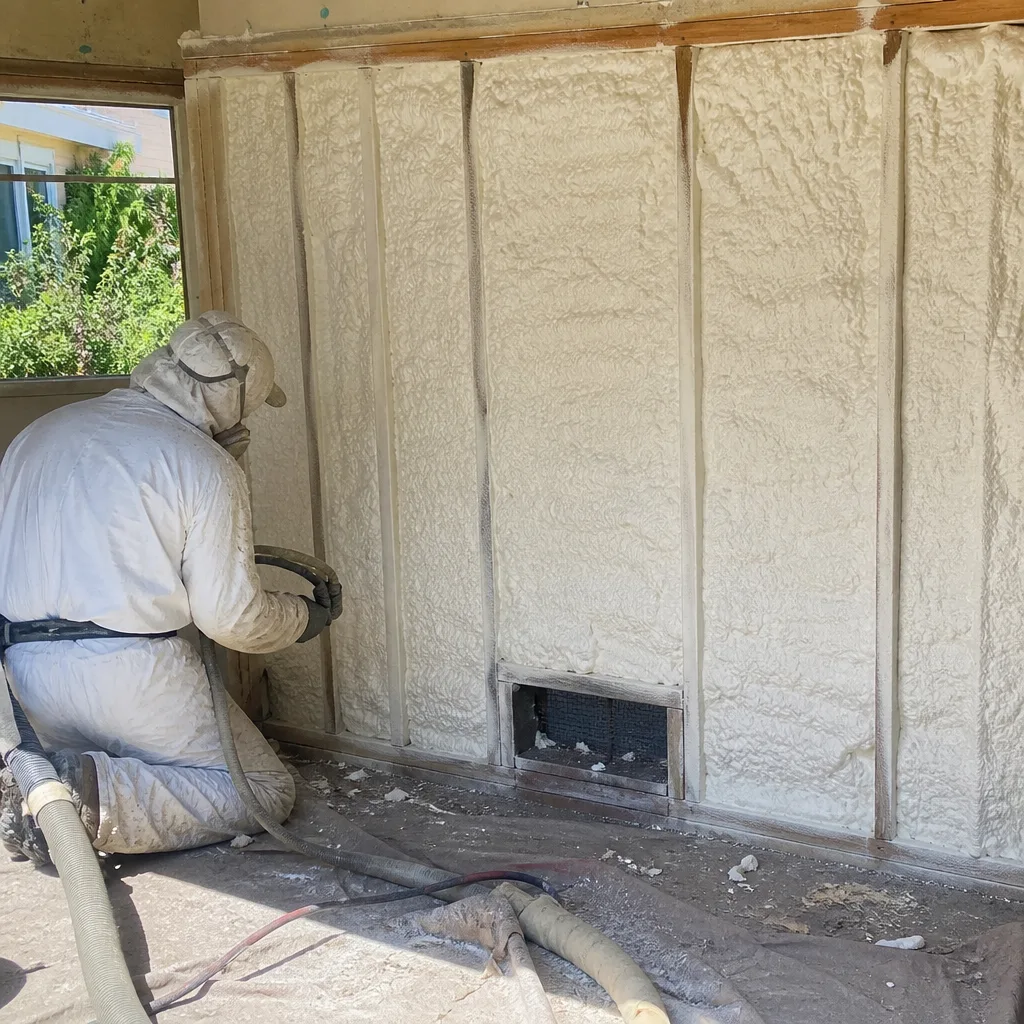 After
AfterWhy Pomona Insulation Bids Vary by 40-60% for the Same Scope
We’ve reviewed thousands of competing bids since 2016, and the pattern is consistent. Contractors use the same material label, “R-38 blown cellulose,” to describe scopes with radically different labor content. One bid covers open-field blowing only. Another includes top plate sealing, can light covers, chase wall blocking, and a blower-door test to verify the result.
The problem is structural. California’s Title 24 energy code requires air sealing, but enforcement varies by jurisdiction and by whether the job triggers a permit. Some Pomona contractors quote to the code minimum that avoids permitting. Others quote to the performance standard that actually changes your energy bill. Both call it “insulation,” but the difference matters-see our Insulation Warning Signs: A Pomona Homeowner’s Reference Guide to spot red flags.
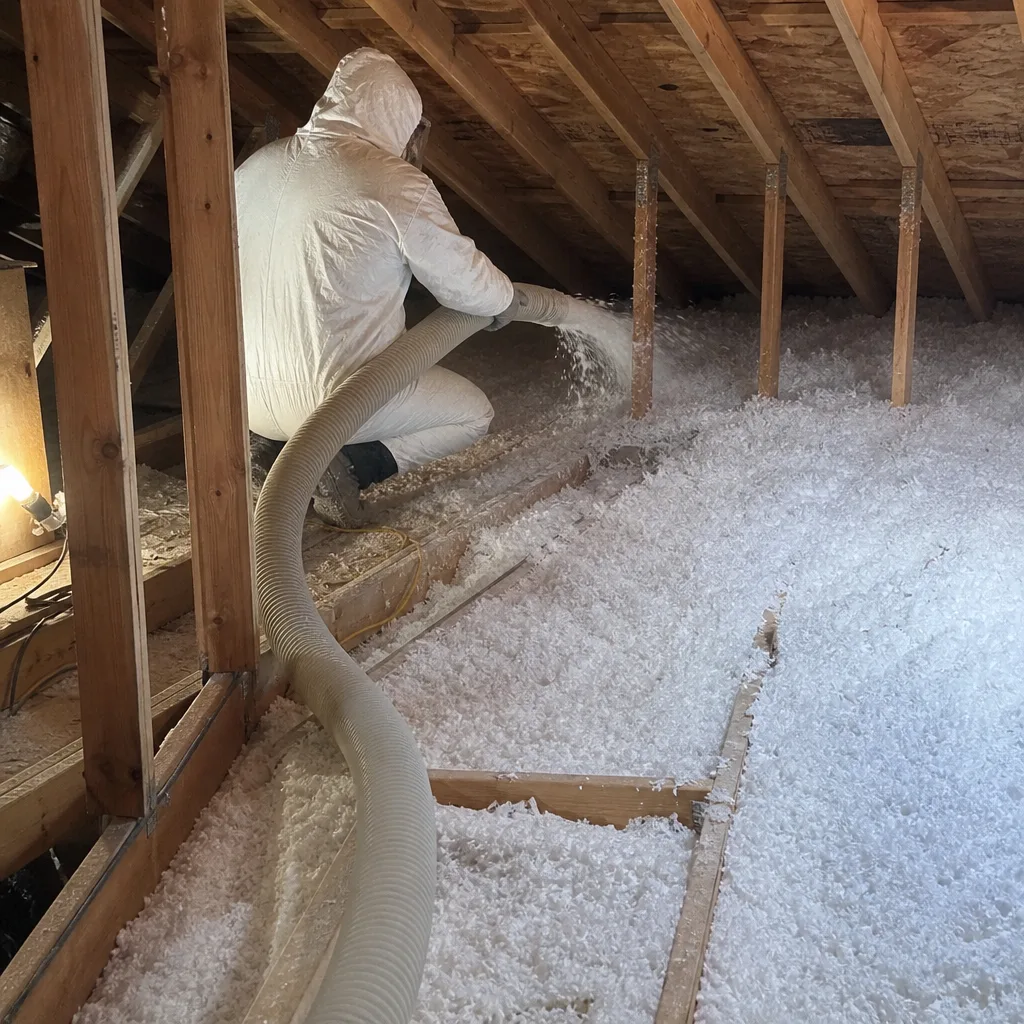
In neighborhoods like Lincoln Park and the Village at Indian Hill, we’ve seen homes where the previous owner accepted a low bid, only to discover the attic was still leaking 3,000 CFM50 after the work. The insulation sat on top of a sieve. That’s why we publish before-and-after blower-door numbers on every applicable job. A pressurization reading shows, in one figure, how much conditioned air your building envelope was losing before and after.
Here’s what typically separates a $1,800 bid from a $3,100 bid for the same square footage:
- Air sealing labor: 8-16 hours at $65-$85/hour for skilled technician time
- Penetration materials: Fire-rated foam, rigid board, weatherstripped attic hatch assemblies
- Blower-door testing: Equipment time plus technician interpretation of results
- HERS verification: Third-party or in-house rater documentation for rebate and resale
- Photo documentation: Condition record, progress shots, completed assembly verification
The Haven Standard requires a written price before any work starts, with every line item specified. If a bid says “insulate attic” with no sub-items, you’re not comparing price. You’re comparing uncertainty.
Line-Item Cost Breakdown: A Typical 1,400 Sq Ft Pomona Attic
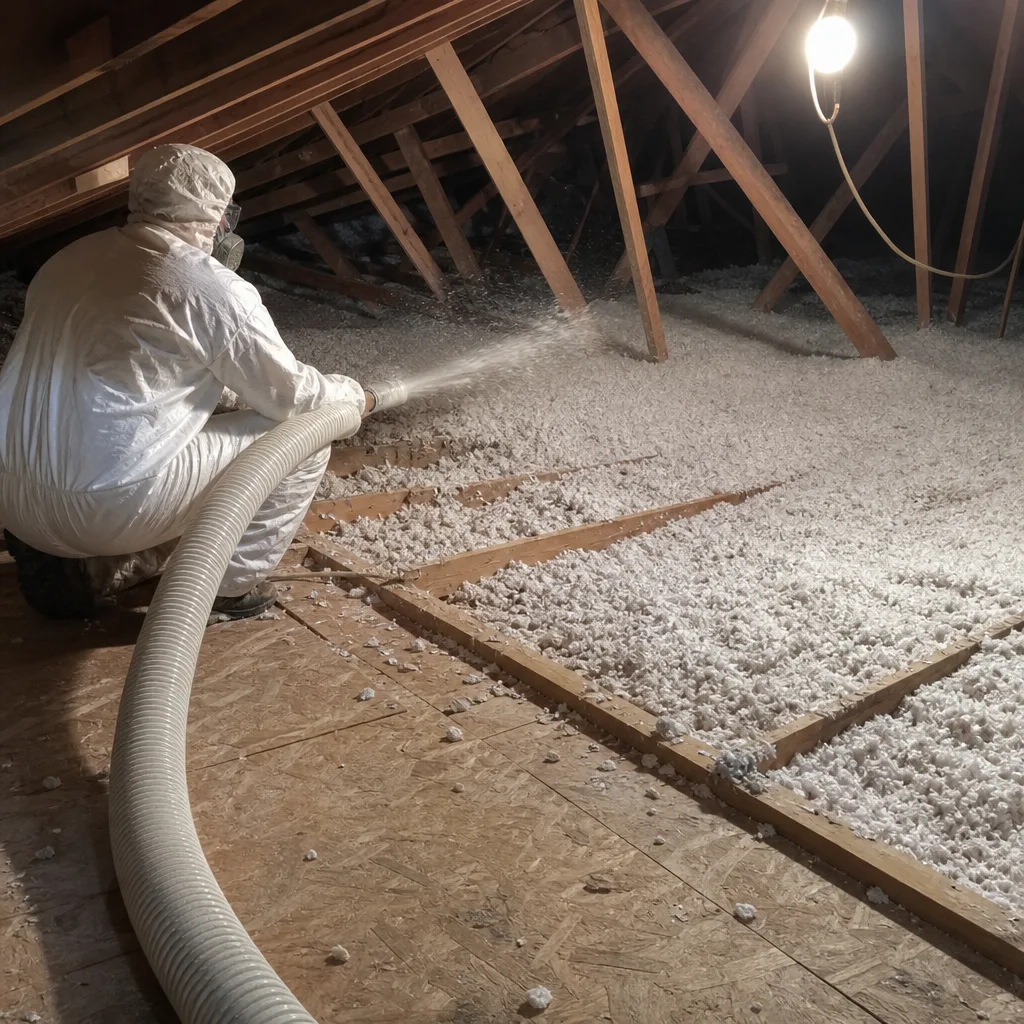
These figures reflect our 2026 pricing for a single-story Pomona home with 1,400 sq ft of attic floor, moderate penetrations, and access via standard scuttle or pull-down stair. Your home may vary. We provide a written price before any work starts, always, with no obligation.
| Line Item | Low Range | Mid Range | High Range | Notes |
|---|---|---|---|---|
| Blown cellulose (R-38, 10.5-11 inches) | $0.85/sq ft | $1.05/sq ft | $1.25/sq ft | GreenFiber or equivalent; density 1.5-1.8 lbs/cu ft |
| Blown fiberglass (R-38, 12-14 inches) | $0.75/sq ft | $0.95/sq ft | $1.15/sq ft | Owens Corning or Johns Manville; higher settled height |
| Air sealing labor (top plates, penetrations, hatch) | $520 | $780 | $1,140 | 8-14 hours at skilled rate; varies by penetration count |
| Air sealing materials (foam, board, tape, hatch assembly) | $180 | $260 | $380 | Fire-rated where required by code |
| Blower-door test (before and after) | $280 | $340 | $420 | Pressurization reading in CFM50; documented result |
| Attic prep/cleanup (debris, baffle install, light relocation) | $240 | $360 | $520 | Required for proper coverage and ventilation |
| HERS verification (if required for rebate) | $320 | $420 | $580 | SoCalGas/SCE rebate eligibility documentation |
| Los Angeles County permit (when triggered) | $180 | $280 | $420 | Varies by scope and jurisdiction interpretation |
For a complete job, material plus labor plus verification, most 1,400 sq ft Pomona attics we seal and insulate fall between $2,400 and $3,800. A scope that omits air sealing and blower-door testing can present as $1,600-$2,200, but that lower figure excludes the work that actually changes your energy loss.
In the Phillips Ranch area, where many homes were built 1985-1995 with minimal original sealing, we’ve seen penetration counts double the suburban average. Top plates were never sealed, recessed lights are un-rated cans, and chase walls for fireplaces and plumbing stacks create straight channels to the attic. The labor line item scales accordingly.
What Air Sealing Labor Actually Costs Per Penetration
Air sealing is not a single task. It’s a sequence of distinct assemblies, each with its own material and labor requirement. When a bid omits these line items, the contractor is either absorbing them into a vague “labor” bucket or skipping them entirely. Here’s what each penetration type costs to seal properly in Pomona’s market:
Top plates (wall-to-attic junction): $45-$75 per linear foot. This is the gap between your exterior wall framing and the drywall below. In a typical Pomona ranch, you might have 120-160 linear feet. We seal with fire-rated spray foam plus rigid board where gaps exceed 1/2 inch. This is the single largest leakage path in most homes we test.
Recessed can lights: $35-$65 per fixture for IC-rated covers or replacement with airtight LED housings. Non-IC cans in contact with insulation require fire-rated enclosures; simply blowing insulation over them is a code violation and creates a combustion hazard. In the Mayfair area’s 1960s ranches, we’ve found 8-12 un-rated cans per home.
Attic hatch or scuttle: $180-$340 for a weatherstripped, insulated assembly with latch hardware. The hatch is a hole in your ceiling. Without positive closure and insulation on the back side, it’s a chimney effect driver.
Chase walls (fireplace, plumbing, HVAC): $120-$280 each. These framed columns run from basement or crawl space to attic, creating vertical air highways. Blocking and sealing at each floor level is required.
Electrical and plumbing penetrations: $15-$35 each. Individual wire holes, vent stacks, and duct boots. Quantity varies; a 1970s Pomona tract home might have 40-60 such penetrations.
Duct boots and platform framing: $65-$125 each. The framed box where your HVAC duct enters the ceiling is rarely sealed by the HVAC installer.
When we bid a job, we count penetrations during our initial inspection and specify each type in the written scope. The homeowner knows exactly what labor is included before anyone lifts a tool. Under Haven Standard: Have it in writing.
HERS Verification, Rebates, and Resale Documentation
HERS, or Home Energy Rating System, is a California-specific verification protocol. A certified rater inspects the work, runs diagnostic tests, and issues documentation that the installation meets specified performance standards. In Pomona, this matters for three reasons.
First, utility rebates. SoCalGas and SCE offer incentives for attic insulation and air sealing in Climate Zone 10, but rebate eligibility requires HERS-verified installation. Current 2026 programs include:
- Attic insulation upgrade (R-19 to R-38 or higher): $0.15-$0.25 per sq ft, verified
- Air sealing with minimum 15% leakage reduction: $250-$400 per home, verified
- Whole-home envelope package: Up to $1,200 combined, depending on gas/electric heating mix
These amounts change with program year and funding cycles. We verify current rebate availability during our estimate and include HERS coordination when the homeowner elects to pursue them.
Second, resale documentation. Pomona homes sold since 2020 increasingly face buyer scrutiny of energy costs. A HERS certificate with blower-door results provides documented proof of performance that transfers to the next owner. We’ve had sellers in the Downtown Pomona historic district use this documentation as a negotiating asset.
Third, code compliance for permitted work. Los Angeles County requires HERS verification for certain insulation upgrades when they trigger Title 24 compliance documentation. The rater’s signature closes the permit.
HERS adds $320-$580 to upfront cost. The payback through rebates is typically 12-24 months. The resale documentation value is harder to quantify but increasingly relevant in Pomona’s competitive market.
The Real Cost of Under-Insulating in Pomona’s Climate
Pomona’s Climate Zone 10 designation means long, dry summers with sustained 90-100°F days and attic temperatures that exceed 140°F. SCE’s tiered rate structure punishes high usage: as of early 2026, residential rates exceed $0.42/kWh in the upper tiers during summer peak periods. Under-insulation is not a comfort issue alone. It’s a compound cost.
We modeled a typical 1,400 sq ft Pomona home with original R-19 ceiling insulation versus the same home upgraded to R-38 with comprehensive air sealing. The modeling uses local weather data, SCE rate schedules, and blower-door correlation to HVAC runtime.
Annual cooling cost difference: $340-$480 per year at current rates. This assumes a 3-ton central air system, 78°F thermostat setting, and standard occupancy patterns. Homes with higher setpoints or whole-house fans show smaller gaps; homes with aging HVAC or west-facing roof planes show larger ones.
Heating penalty: $80-$140 additional per year in winter months. Pomona’s heating degree days are modest, but leaky ceilings stack the penalty. Gas-heated homes see this in therms; heat pump homes see it in kWh.
Payback math: A $2,800 complete job (air sealing, R-38, blower-door verified) versus a $1,800 insulation-only job creates a $1,000 incremental cost. At $420/year combined savings, simple payback is 2.4 years. Over 10 years, assuming 3% annual rate increases, the return exceeds $4,800. The insulation-only job, by contrast, saves perhaps $180/year and never addresses the leakage driving half the loss.
In the Ganesha Hills area, where 1950s-1970s homes predominate, we’ve measured original insulation at R-11 to R-19, often settled and degraded. The cost of doing it right once versus doing it twice, or paying the utility indefinitely, is not abstract. It’s arithmetic.
What Drives Contractor Cost Variation Beyond Margin
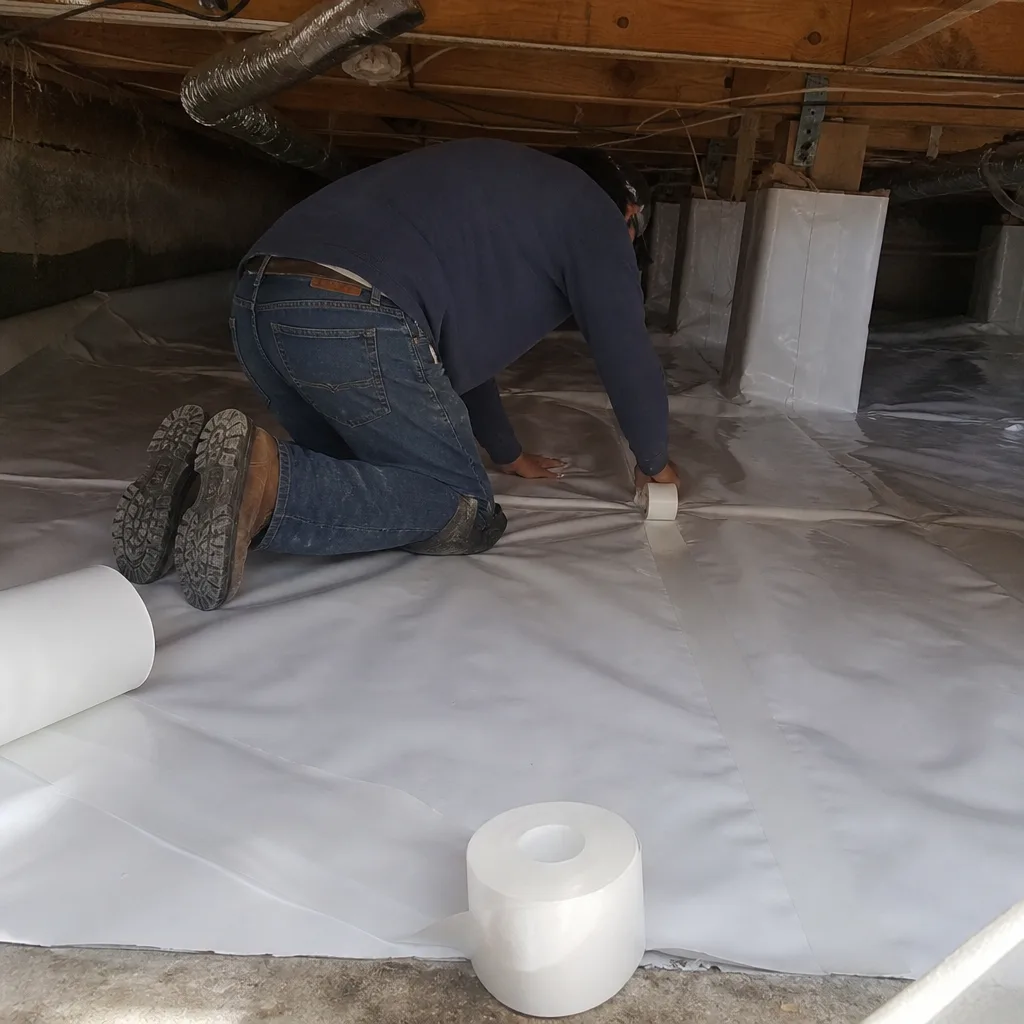
Price differences between Pomona insulation contractors reflect real operational differences, not just markup, and our more guides & resources cover additional factors to weigh. Understanding these helps you evaluate whether a low bid represents efficiency or omission.
Crew size and structure: A two-person crew takes 1.5-2 days for a complete attic job. A four-person crew finishes in one day but carries higher labor burden. Some contractors use day labor with minimal training; others employ permanent technicians with blower-door certification. The daily rate differs, but so does the result documentation.
Equipment ownership versus rental: Insulation blowers, blower-door kits, and infrared cameras represent significant capital. Contractors who own equipment amortize it across many jobs and can price more competitively. Those who rent pass through daily fees, sometimes with markup. We own our blower-door equipment and thermal imaging; this is reflected in our consistent pricing.
Material sourcing and brand: We source cellulose from GreenFiber, fiberglass from Owens Corning and Johns Manville, and spray foam from Demilec, with no proprietary lock-in. Contractors tied to single brands may have volume discounts but limited flexibility. More importantly, some low bids specify lower-density cellulose or shorter fiber fiberglass that settles below labeled R-value.
HERS rater relationship: Contractors with in-house HERS raters or established subcontractor relationships coordinate verification efficiently. Those without add delay and sometimes markup for third-party coordination. We maintain in-house HERS capability for applicable jobs.
Insurance and labor classification: Properly classified workers’ compensation for insulation work is not cheap. Contractors using 1099 labor or misclassified crews cut costs but create liability exposure for the homeowner if injury occurs on site. We’re insured and bonded, with background-checked, uniformed technicians.
Documentation standard: The Documented Photo Record we provide on every job, included, requires technician time and cloud storage infrastructure. Contractors who don’t document save that hour but leave you with no condition record for future reference or dispute.
Material Comparison: Cellulose, Fiberglass, and Spray Foam
Material choice affects both upfront cost and long-term performance. In Pomona’s dry climate, moisture concerns that trouble humid regions are minimal, but fire rating, settling, and air movement resistance matter.
Blown cellulose (GreenFiber or equivalent): $0.85-$1.25/sq ft at R-38. Made from recycled paper with borate fire retardant. Higher density than fiberglass, which reduces air movement through the insulation layer itself. Settles 10-15% over first two years; we install to compensated thickness. Best for attics with moderate penetrations where air sealing is completed first.
Blown fiberglass (Owens Corning, Johns Manville): $0.75-$1.15/sq ft at R-38. Lighter, faster to install, no settling concern. Lower density means more air movement through the material; this is why air sealing is more critical with fiberglass. Preferred for very large open attics where labor efficiency matters.
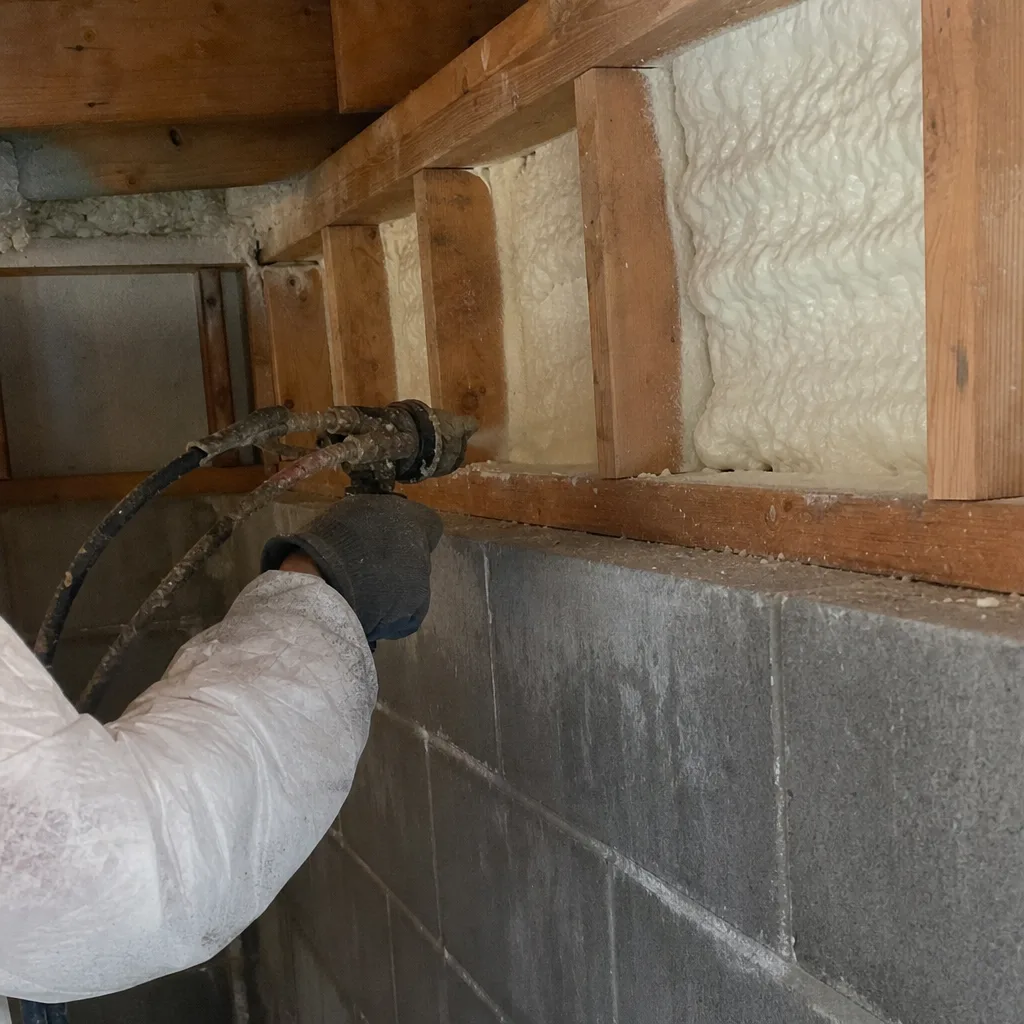
Open-cell spray foam (Demilec): $1.80-$2.60/sq ft at R-38 equivalent. Applied directly to roof deck for conditioned attic assemblies, or to floor for combined air barrier and insulation. Highest air sealing performance but requires careful moisture management in roof applications. We specify this for spray foam insulation in Pomona when the project warrants.
Rigid foam board: Used selectively for catwalks, damming, and vertical surfaces where blown material won’t stay. Not typically a primary attic insulation but included in complete scopes as needed.
We don’t install insulation over unsealed assemblies, regardless of material. Sealed first, then insulated, in that order. A blower-door test confirms the seal before blowing begins.
Permits, Title 24, and Los Angeles County Requirements
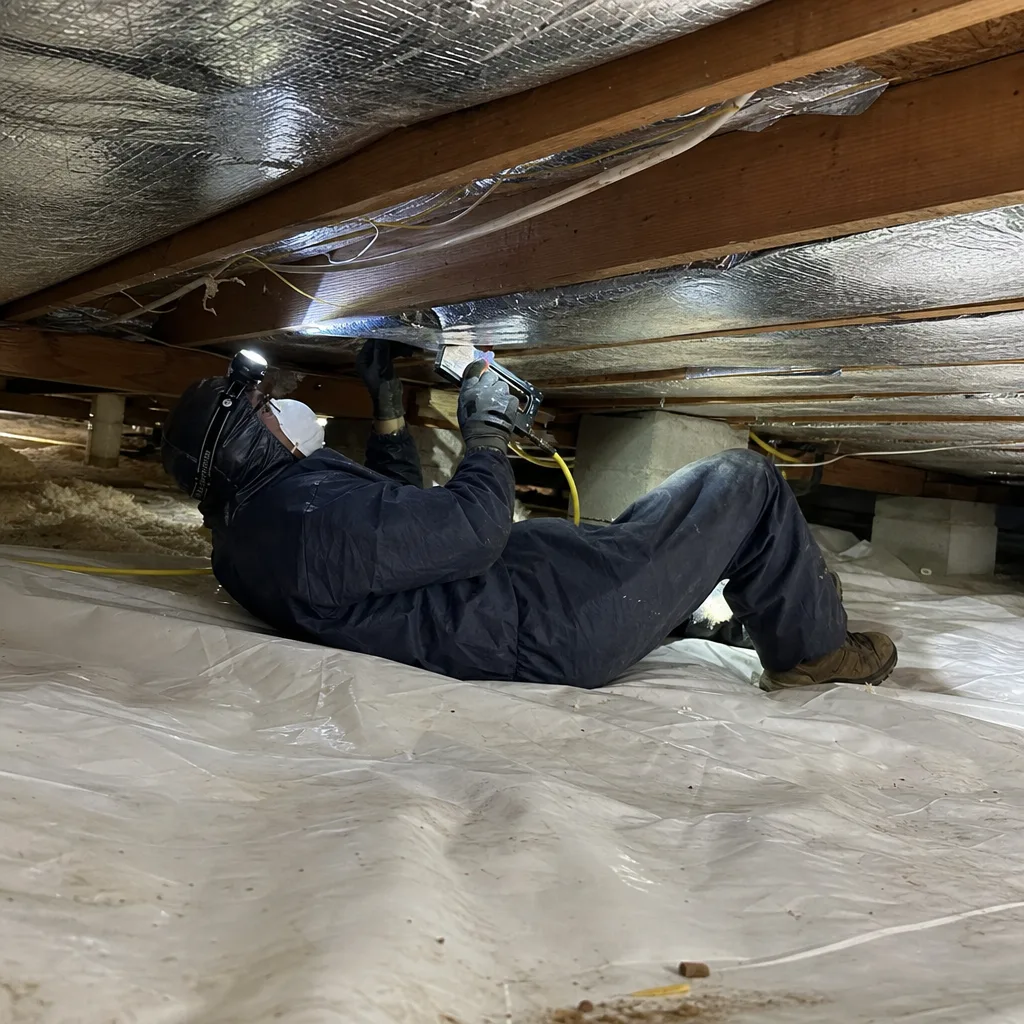
California’s Title 24, Part 6 energy code sets minimum insulation levels for new construction and substantial alterations. For existing Pomona homes, permit triggers depend on scope and interpretation.
When permits are required: Adding insulation to an uninsulated attic, or removing and replacing insulation as part of a larger remodel, typically triggers a permit. Adding insulation over existing material in a previously insulated attic may not, depending on the local building official’s interpretation. We determine permit status during our initial assessment and include fees in our written price when required.
Current Los Angeles County permit fees for insulation work: $180-$420, including plan check when required. Expedited processing adds 20-30%. We handle permit application as part of our scope; the homeowner receives the approved permit card and final inspection sign-off.
Title 24 minimums for Climate Zone 10: R-38 in ceilings for new construction and full replacement. Many Pomona homes built before 2005 fall below this. We specify to R-38 or higher, not to the existing condition.
HERS requirements: For permitted work that alters the building envelope, HERS verification is typically mandatory. This includes insulation replacement in conditioned space boundaries. We coordinate rater scheduling with our production calendar so verification doesn’t delay project completion.
In the Walnut Creek Village area, we’ve encountered homeowners who completed unpermitted insulation additions and faced complications during subsequent solar installations or refinancing. The permit record matters beyond the immediate job.
Common Mistakes to Avoid
- Comparing total price without line-item detail. A $1,800 bid and a $3,100 bid for “R-38 cellulose” are not comparable scopes. Demand written itemization of air sealing, testing, and materials.
- Accepting insulation without air sealing. In Pomona’s older housing stock, leakage often exceeds conductive loss. Blowing insulation over a leaky attic is like putting a thick sweater on a screen door.
- Ignoring blower-door verification. Without a measured result, you have no evidence the work performed. We provide before-and-after CFM50 readings on every applicable job.
- Choosing material by price per square foot alone. Cellulose and fiberglass perform differently in real assemblies. Density, air movement resistance, and installation quality matter more than the base material cost.
- Skipping HERS for rebate-eligible work. SoCalGas and SCE rebates require verification. The $400 you “save” by omitting HERS often costs $600 in foregone incentives.
- Permitting avoidance. Unpermitted work complicates resale, insurance claims, and subsequent improvements. We include permit costs in our written price when triggered.
- Hiring based on speed alone. A one-day attic job is possible with a large crew, but air sealing requires methodical work. We’ve re-done jobs where speed compromised the seal.
When to Call a Professional
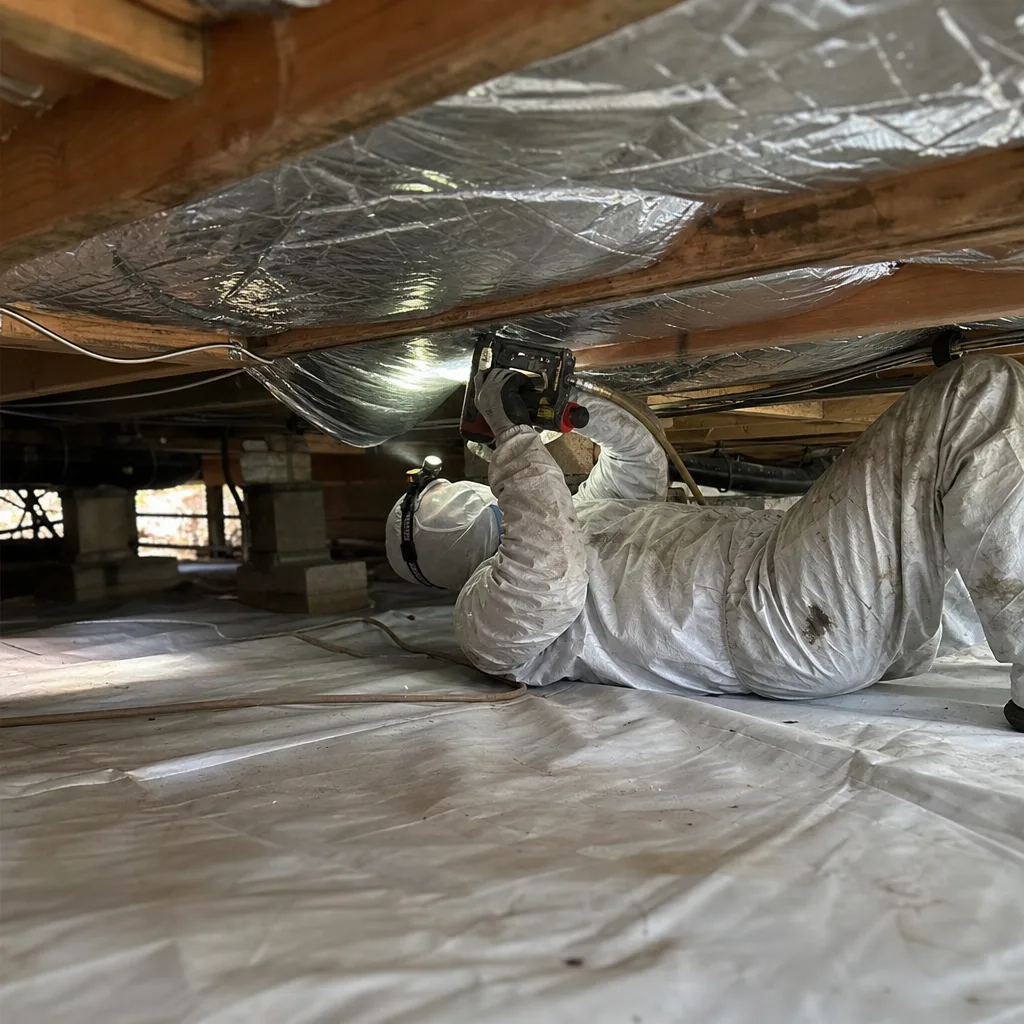
Call for assessment if your Pomona home was built before 2005 and you’ve never had a blower-door test, if rooms are persistently hot in summer despite running AC, if your attic insulation is below joist level or visibly degraded, or if you’re considering solar and want to reduce load before sizing the array. Also call if you’ve received a bid that seems incomplete or too good to be true, we’ll provide a Free Second Opinion on any written estimate. Topside Attic Insulation Pomona offers free estimates in Pomona. Call (562) 242-7569. Every estimate includes a written price before any work starts, a Documented Photo Record, and on applicable jobs, before-and-after blower-door numbers.
Frequently Asked Questions
A complete attic insulation job for a typical 1,400 sq ft Pomona home runs $2,400-$3,800 including air sealing, materials, labor, and blower-door verification. Scopes without air sealing or testing can appear as low as $1,600-$2,200 but deliver fundamentally different performance. Call (562) 242-7569 for a written estimate with line-item detail, estimates are free.
Partial repair is rarely cost-effective in Pomona’s market. Matching new material to degraded old insulation creates thermal bridging and coverage gaps. Removal and replacement with a complete air seal typically costs 15-25% more than overlay but delivers 40-60% better measured performance. We assess condition during our free estimate and specify removal when the existing material is contaminated, compressed below R-19, or improperly installed.
A complete seal-and-insulate job for a 1,400 sq ft Pomona attic takes 1.5-2 days with a two-person crew: Day one for air sealing and blower-door verification; day two for insulation installation and final documentation. Large crews can compress this to one day but may sacrifice sealing quality. We schedule for thoroughness, not speed.
Yes, measurably. A Pomona home upgraded from R-19 to R-38 with comprehensive air sealing typically reduces cooling costs by $340-$480 annually at current SCE tiered rates, with additional winter heating savings of $80-$140. The combined savings produce 2-3 year simple payback on a complete job. We provide payback modeling with our written estimates.
Permits are required for insulating previously uninsulated attics or removing and replacing insulation as part of remodel work. Adding over existing insulation may not trigger permitting, depending on local interpretation. We determine permit status during assessment and include fees in our written price when required, handling all application and inspection scheduling.
SoCalGas and SCE offer rebates for HERS-verified attic insulation and air sealing in Climate Zone 10. Current programs include $0.15-$0.25/sq ft for insulation upgrades and $250-$400 for verified air sealing with minimum 15% leakage reduction. We verify current rebate availability during estimates and coordinate HERS documentation when homeowners elect to pursue incentives. Call (562) 242-7569 for current program details.
The Bottom Line
Pomona insulation costs vary because scopes vary, not because the market is irrational. A complete job, sealed first then insulated, with blower-door verification and documented results, costs more upfront and pays back faster. The $1,800 bid omits the work that changes your energy loss. The $3,100 bid, properly itemized, includes it. We publish before-and-after blower-door numbers on every applicable job so you can see the performance change you paid for. Since 2016, we’ve sealed and insulated 9,000+ homes, every one with a written price before work started and a documented record when the crew left. The 365-Day Done Right Promise applies to all completed work. Call (562) 242-7569 for a free estimate with line-item pricing, or bring us any competing written bid for a Free Second Opinion.
Written by Wes Okafor, Owner at Topside Attic Insulation Pomona, serving Pomona since 2016.