
Last updated September 23, 2026
Insulation Permits, Codes & Inspections in CA: What You Need to Know
A Pomona homeowner who pulled a permit for attic insulation in 2022 and one who pulls the same permit in 2024 are working under different mandatory minimum R-values and different HERS verification requirements. The code changed between them, and the contractor’s bid should reflect that. Yet we’ve reviewed competing quotes in Pomona’s Mayfair and Lincoln Park neighborhoods that still reference 2019 Title 24 standards, missing the 2022 updates that took effect January 2023. This guide walks through what California actually requires for insulation permits, when those requirements trigger, and how to read a bid so you know whether your contractor is building to the code that will pass inspection - or the one that expired three years ago. For more guides & resources on Pomona home insulation, explore our blog.
Quick Answer
Most insulation work in California requires a building permit unless it qualifies for a narrow “like-for-like replacement” exemption. For Pomona homes in Climate Zone 10, permitted work must meet 2022 Title 24 Part 6 standards: minimum ceiling R-49 for attic insulation, mandatory air-barrier continuity, and HERS verification with blower-door testing for any project that alters the thermal envelope. The permit process includes plan review, rough inspection, and final inspection; HERS raters verify field conditions independently and file results on the state’s permanent registry.
Table of Contents
- When Is a Permit Required for Insulation Work in California?
- Title 24 Part 6 and Climate Zone 10: What Pomona Homes Must Meet
- HERS Verification: What the Rater Actually Measures
- How the 2022 Title 24 Update Changed Blower-Door Testing Requirements
- The Permit Process: Plan Review Through Final Sign-Off
- Penalties for Unpermitted Work in Los Angeles County
- How to Read a Contractor’s Bid for Code Compliance
- Common Mistakes to Avoid
- When to Call a Professional
- Frequently Asked Questions
- The Bottom Line
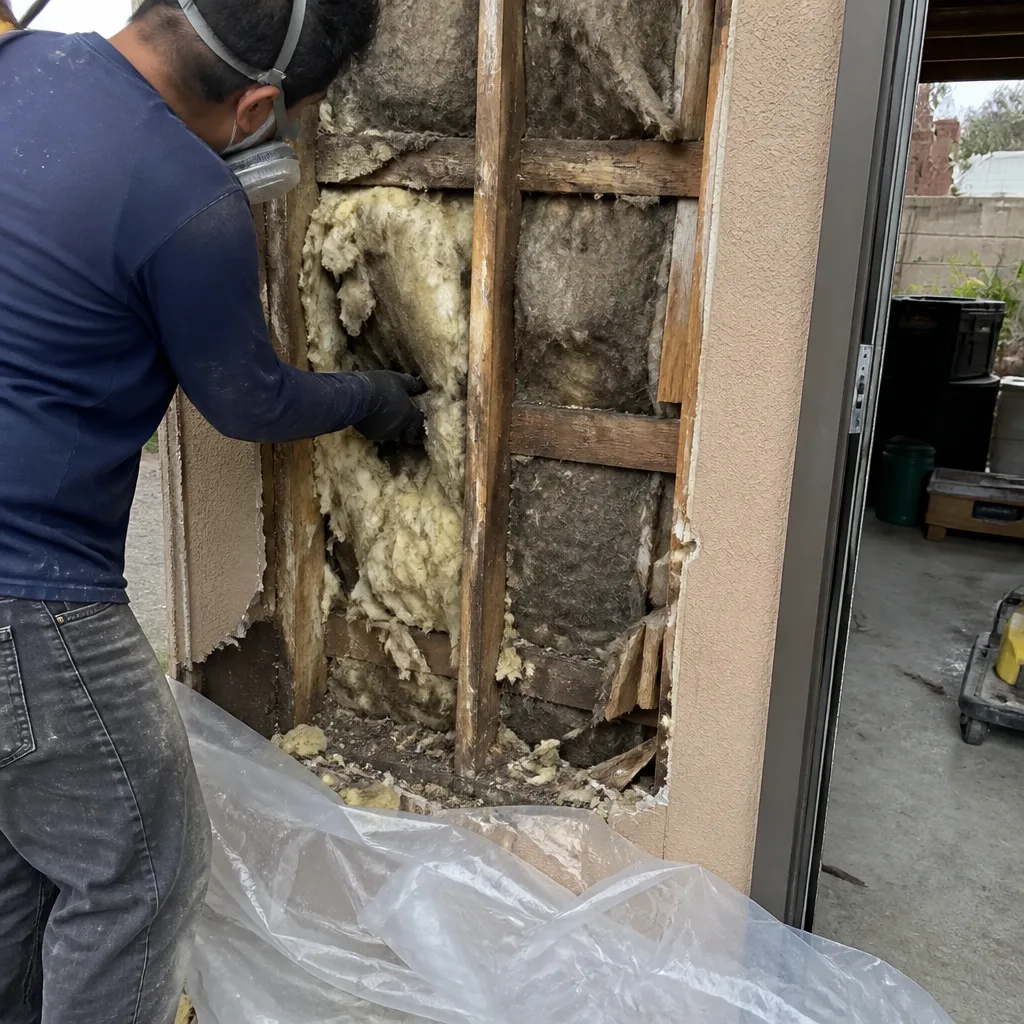 Before
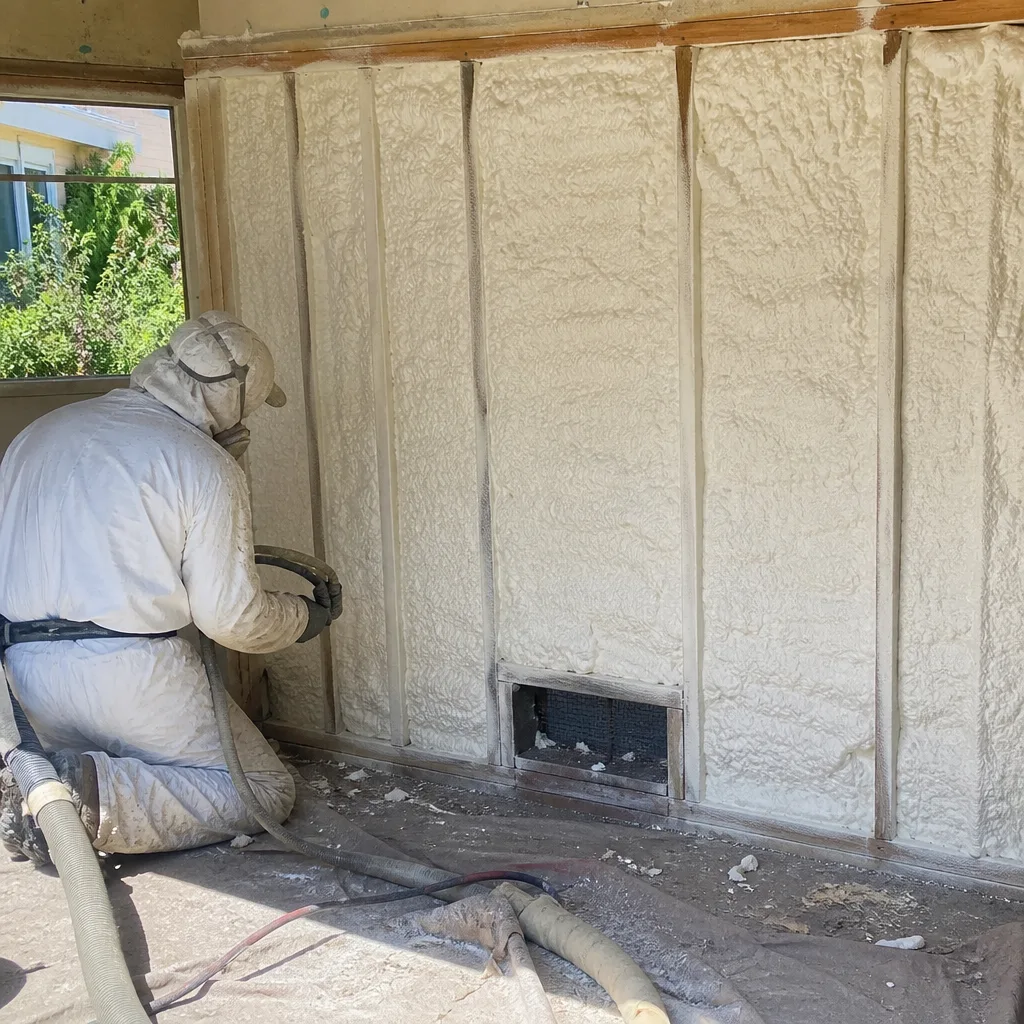 After
AfterWhen Is a Permit Required for Insulation Work in California?
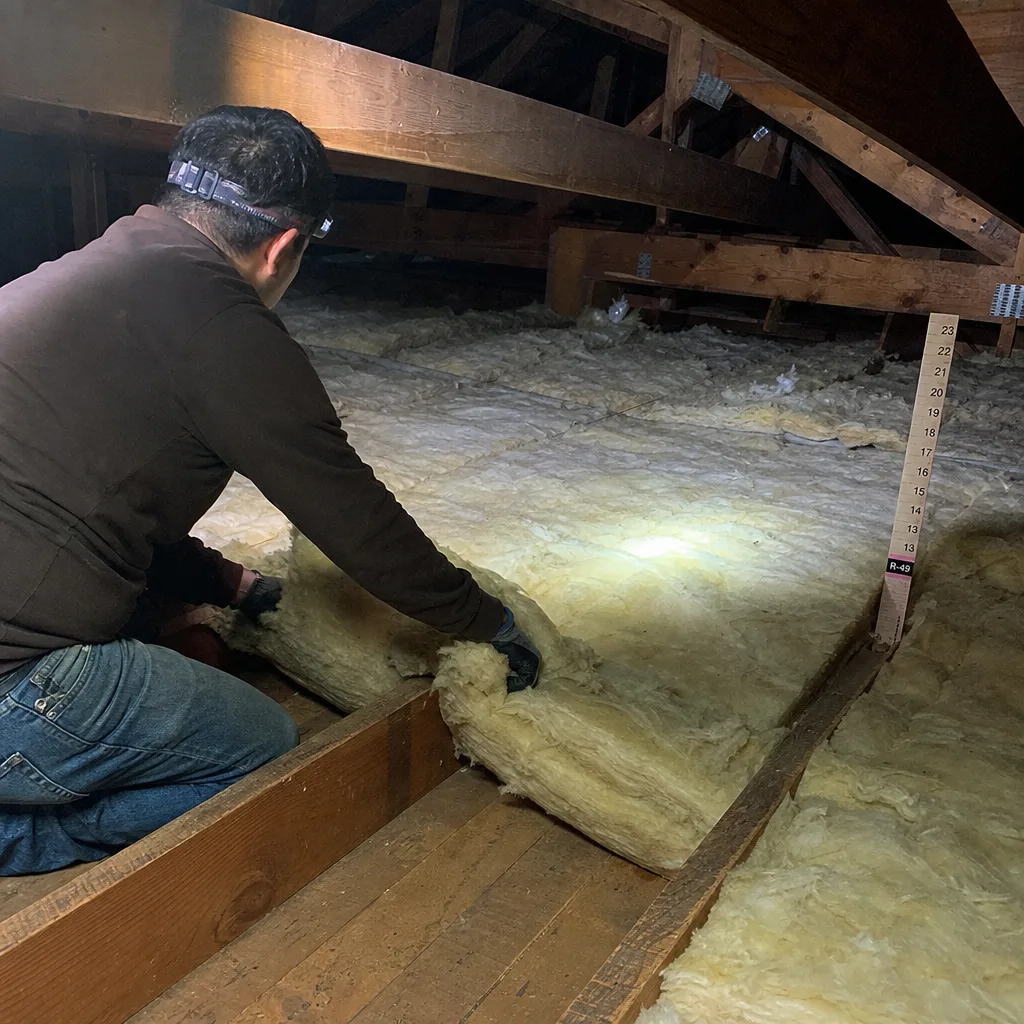
California Building Standards Code Section 105.1 requires a permit for “the installation of any insulation product” that involves altering the building envelope. That sounds broad because it is. In practice, Pomona’s Building & Safety Division - which processes permits for properties within city limits - interprets this to cover most attic insulation, wall insulation, and crawl space work that changes the thermal boundary or modifies existing assemblies.
The exemption that trips people up is the “like-for-like replacement” rule. You don’t need a permit if you’re removing and replacing insulation with the same type, same R-value, and same location, with no changes to the assembly. Remove batts and reinstall batts at R-30 where R-30 existed before: no permit. Remove batts and blow in loose-fill to R-49, or add spray foam where none existed: permit required. The distinction matters because the exemption is narrow and specific, and claiming it incorrectly creates a disclosure problem when you sell.
In Pomona’s older neighborhoods - think the craftsman homes north of Holt Avenue or the mid-century tract housing south of the 10 Freeway - we regularly find insulation that was added without permits decades ago. Homeowners in these areas should consult our Insulation Warning Signs: A Pomona Homeowner’s Reference Guide to spot potential problems early. That history doesn’t grandfather new work. Any new alteration triggers current code, full stop.
Here’s when a permit is definitely required:
- Adding insulation where none existed previously
- Increasing R-value above what was originally installed
- Changing insulation type (batt to blown-in, fiberglass to spray foam, etc.)
- Installing a radiant barrier or reflective insulation system
- Crawl space encapsulation that includes insulation of walls or rim joists
- Any work that requires opening walls or altering the air barrier
The permit application in Pomona requires a scope description, the property address, and the proposed R-value and insulation type. For work touching the thermal envelope, Building & Safety will flag it for energy-code compliance review.
Title 24 Part 6 and Climate Zone 10: What Pomona Homes Must Meet
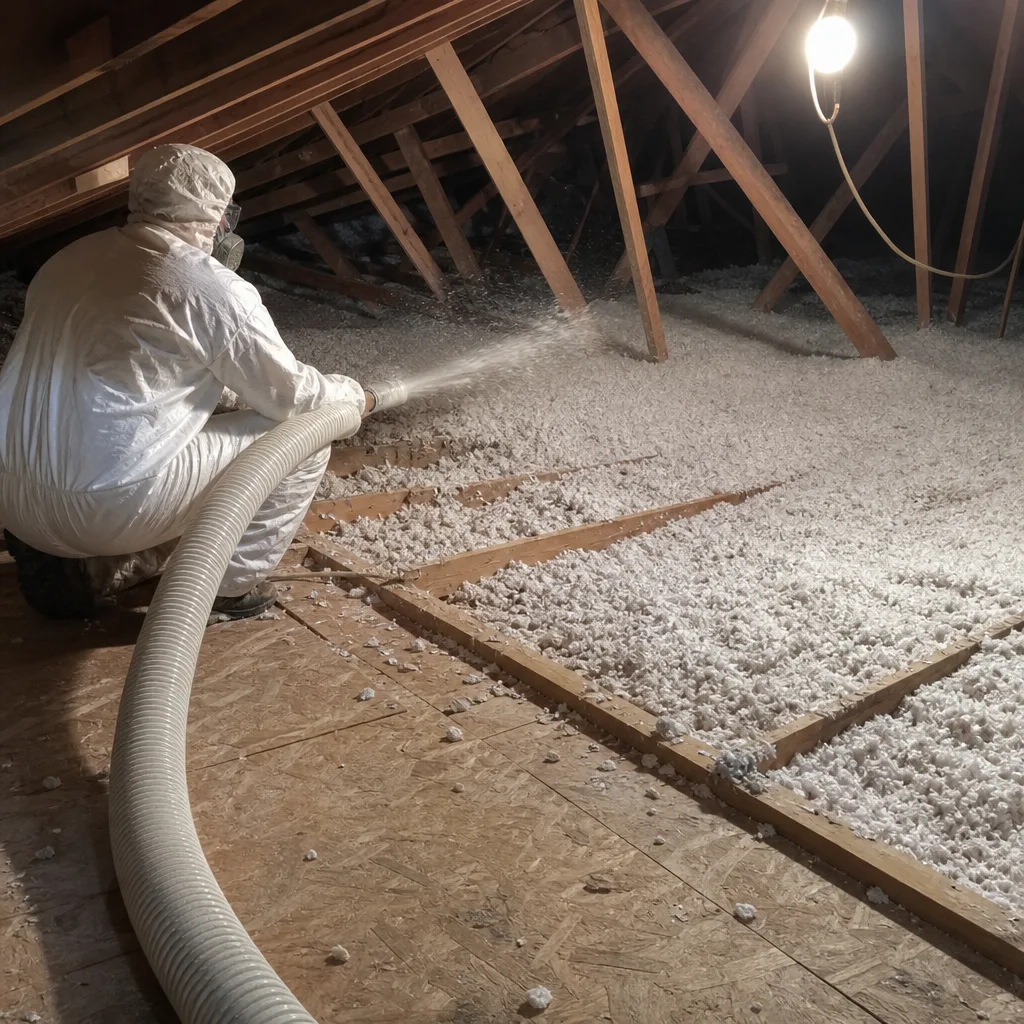
California’s Title 24, Part 6 - the Building Energy Efficiency Standards - sets mandatory minimums for insulation performance. These standards update on a two-year cycle, and the 2022 version that took effect January 1, 2023, made substantive changes that affect every insulation job in Pomona.
Pomona sits in Climate Zone 10, a designation based on heating and cooling degree days, not just latitude. Zone 10 covers the inland valleys of Los Angeles County where summer temperatures regularly exceed 95°F and winter nights occasionally drop below freezing. The code recognizes that these swing conditions demand higher thermal resistance than coastal Zone 3 or desert Zone 14.
For Pomona homes, the 2022 Title 24 standards require:
| Assembly | Minimum R-Value (2022) | Minimum R-Value (2019) | Change |
|---|---|---|---|
| Wood-framed ceiling (attic) | R-49 | R-38 | +R-11 |
| Wood-framed wall | R-21 or R-13 + R-5 continuous | R-15 or R-13 + R-3.8 | Stricter |
| Floor over unconditioned space | R-25 | R-19 | +R-6 |
| Crawl space wall | R-19 | R-15 | +R-4 |
The R-49 ceiling requirement is the change we see most often missed in Pomona bids. Contractors who haven’t updated their standard scopes since 2022 still quote R-38 as “code minimum.” It isn’t. And the inspector will fail it.
Perhaps more significant than the R-value bump is the mandatory air-barrier language. The 2022 standards added explicit requirements for air-barrier continuity - meaning insulation cannot be considered compliant if it’s installed over a leaky ceiling plane. Top plates, electrical penetrations, can lights, and chimney chases must be sealed before insulation covers them. This is where attic insulation in Pomona intersects directly with air-sealing work, and where bids that treat them as separate, optional line items fall short of compliance.
The code also introduced stricter requirements for quality of installation, including Grade I installation standards (no gaps, voids, or compression) for batts and proper density for blown-in applications. Inspectors in Los Angeles County have been trained to look for compression at wire runs and reduced thickness at eaves - details that were checked loosely before 2022 and are now fail points.
HERS Verification: What the Rater Actually Measures
HERS stands for Home Energy Rating System, but in California’s regulatory context, it’s less about the rating and more about verification. A HERS rater is a third-party, state-certified professional who inspects field conditions and performs diagnostic testing to confirm that what got built matches what was designed and what the code requires. The rater does not work for the contractor. They work for the permit holder - typically the homeowner - and file results directly with the California Energy Commission’s registry.
For insulation work in Pomona, HERS verification triggers in several specific cases under 2022 Title 24:
- Alterations to the thermal envelope where the altered area exceeds specific thresholds - generally, when more than 50% of a ceiling or wall assembly is modified
- New construction and additions, where full HERS verification is mandatory
- Projects claiming compliance via the performance path, where modeled energy use must be verified against actual construction
- Any project requiring blower-door testing, which the 2022 standards expanded
What the HERS rater actually does on site depends on the scope, but for a typical Pomona attic insulation job, it includes:
- Visual inspection of insulation installation - measuring depth and density for blown-in, checking for gaps and compression in batts, photographing Grade I conditions or documenting deviations
- Air-barrier inspection - verifying that top plates, penetrations, and junctions are sealed before insulation covers them; this is where we see the most HERS corrections in Pomona
- Blower-door testing - a pressurization reading that shows, in one number (CFM50), how much air the building envelope is losing; the 2022 standards set specific thresholds that must be met
- Documentation and registry filing - the rater uploads photos, test results, and compliance forms to the CEC’s HERS registry, creating a permanent record tied to the property address
The rater’s findings are pass/fail with conditions. A failed HERS verification means the insulation cannot receive final inspection sign-off until corrections are made and re-verified. We’ve seen Pomona jobs delayed two weeks because a contractor skipped sealing can lights before blowing GreenFiber cellulose, and the HERS rater flagged it after the fact. The insulation had to be moved, the sealing done, and the rater returned - at additional cost to the homeowner.
The registry filing is permanent. When you sell your Pomona home, a buyer’s agent or appraiser can pull the HERS record. A clean filing with passing blower-door numbers is documentation of quality work. A missing or failed filing is a red flag that can trigger further inspection or price negotiation.
How the 2022 Title 24 Update Changed Blower-Door Testing Requirements
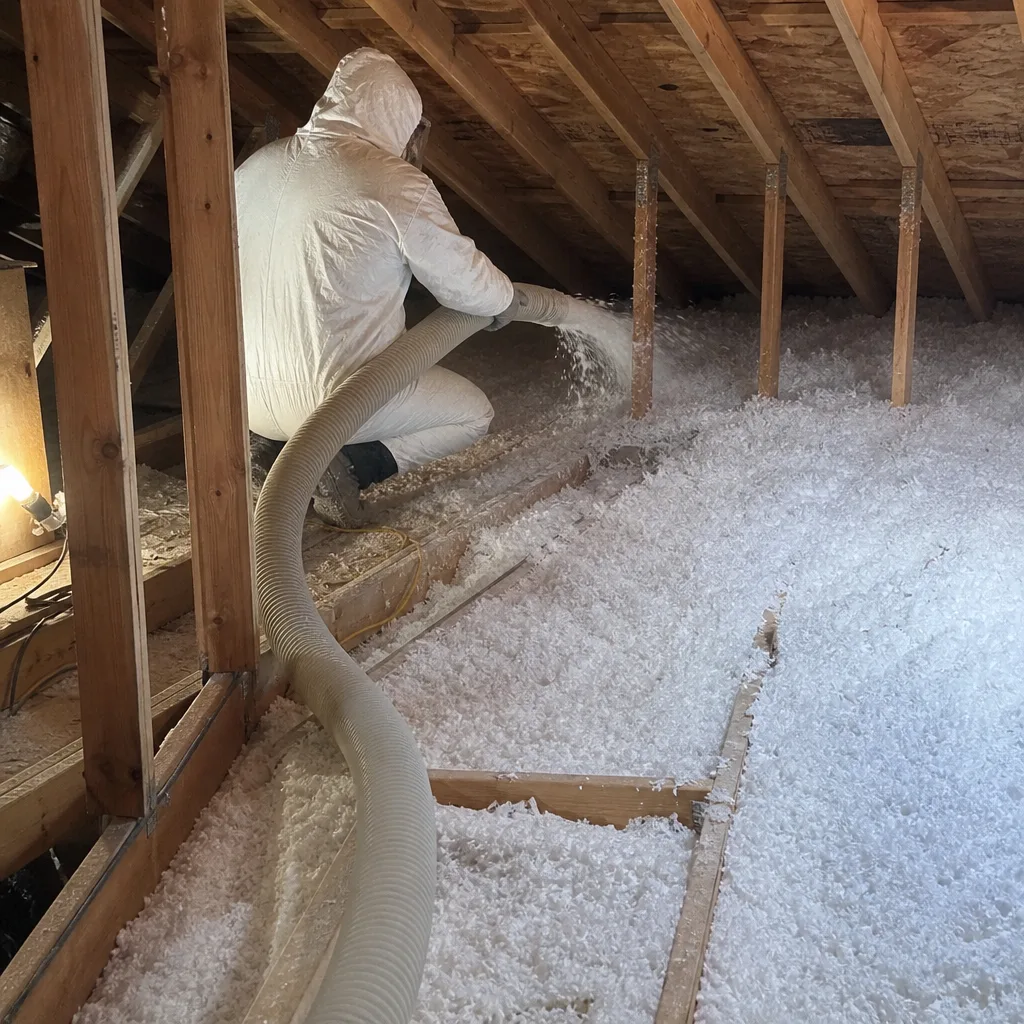
The 2022 Title 24 update made blower-door testing mandatory for project types that previously escaped it. This is the single biggest operational change we’ve seen in Pomona’s insulation market, and it’s the one most underrepresented in contractor bids.
Under the 2019 standards, blower-door testing was required for new construction and certain large alterations, but many attic insulation retrofits in existing homes could comply through the prescriptive path without it. The 2022 standards tightened this. Now, any alteration to the thermal envelope that exceeds the threshold for HERS verification - which includes most substantial attic insulation jobs in Pomona - requires documented ACH50 results (air changes per hour at 50 Pascals of pressure).
ACH50 is the standard metric, but CFM50 (cubic feet per minute at 50 Pascals) is what the blower door actually measures. The rater converts this using the home’s volume. For a typical 1,600-square-foot Pomona ranch with 8-foot ceilings, the math matters: the same CFM50 reading yields a very different ACH50 than a two-story home with the same footprint.
The 2022 standards set specific ACH50 thresholds based on project type and compliance path. For alterations in Climate Zone 10, the mandatory maximum is typically 5.0 ACH50 for the performance path, though some prescriptive exemptions still apply for smaller jobs. The key point: where a Pomona contractor could previously install insulation and walk away, they now must achieve and document a specific air-leakage rate.
This is why Topside Attic Insulation Pomona home work begins with a blower-door test before any insulation goes in. We need to know the starting number. In a 1970s Pomona tract home near Ganesha Park, we recently measured 7.2 ACH50 before air sealing - well above the threshold. After sealing top plates, can lights, and penetrations with Owens Corning sealants, we hit 3.8 ACH50. The insulation went in after. That’s the sequence the code now effectively mandates, even if some contractors haven’t updated their process.
Contractors who don’t own blower doors or subcontract HERS raters are at a disadvantage. They can’t verify their own work, can’t provide the documented ACH50 results for permit sign-off, and may be caught in a failed inspection with no clear path to correction. When reviewing bids, ask specifically: “Who performs the HERS verification, and when does the blower-door test happen?” If the answer is vague, the contractor may not have done a 2022-code job before.
The Permit Process: Plan Review Through Final Sign-Off
The permit process for insulation work in Pomona follows a predictable sequence, but the duration and complexity vary based on project scope and whether HERS verification is triggered. Understanding the steps helps set realistic timelines and avoids the common mistake of scheduling insulation installation before the permit is ready. Our Seasonal Insulation Care for Pomona: Year-Round Homeowner’s Guide offers additional timing guidance.
Step 1: Application and plan review
The homeowner or contractor submits an application to Pomona Building & Safety, either in person at 505 S. Garey Avenue or through the city’s online portal. The application requires:
- Property address and APN (Assessor’s Parcel Number)
- Scope of work description
- Proposed insulation type, manufacturer, and R-value
- Square footage of affected area
- Whether HERS verification is anticipated
For simple attic insulation jobs, plan review typically takes 5-10 business days. For projects involving structural modifications or performance-path compliance, review may extend to 15-20 business days.
Step 2: Permit issuance and fee payment
Permit fees in Pomona are based on valuation of the work. For a typical attic insulation job in a 1,500-square-foot home, expect fees in the $200-$400 range, plus plan check fees. The permit card lists all required inspections.
Step 3: Rough inspection
For insulation work, the rough inspection occurs after air sealing is complete but before insulation covers it. The inspector verifies:
- Air-barrier continuity at top plates and penetrations
- Proper damming at heat-producing fixtures
- Exhaust fan and vent terminations
- Any required fire-blocking
This is the inspection that catches contractors who blow insulation first and seal later - or skip sealing entirely. In Pomona, Building & Safety has been consistent about failing these jobs since the 2022 standards took effect.
Step 4: Insulation installation
After rough inspection pass, insulation goes in. For blown-in applications, the installer must document coverage depth and density. Many Pomona contractors now use depth markers every 300 square feet, photographed for the permanent record.
Step 5: HERS verification
If triggered, the HERS rater inspects after insulation is complete but before final inspection. The rater performs blower-door testing, visual inspection, and registry filing. This step adds 3-7 business days to the schedule, longer if corrections are needed.
Step 6: Final inspection and sign-off
The building inspector verifies that HERS documentation is complete and filed, checks final conditions against the approved scope, and signs off the permit. The homeowner receives a certificate of completion. In Pomona, this certificate is increasingly requested by buyers and lenders during real estate transactions.
The full sequence, from application to final sign-off, typically runs 4-6 weeks for a HERS-triggered job in Pomona. Contractors who promise “next-day installation” either haven’t permitted the work or are misleading you about the timeline.
Penalties for Unpermitted Work in Los Angeles County
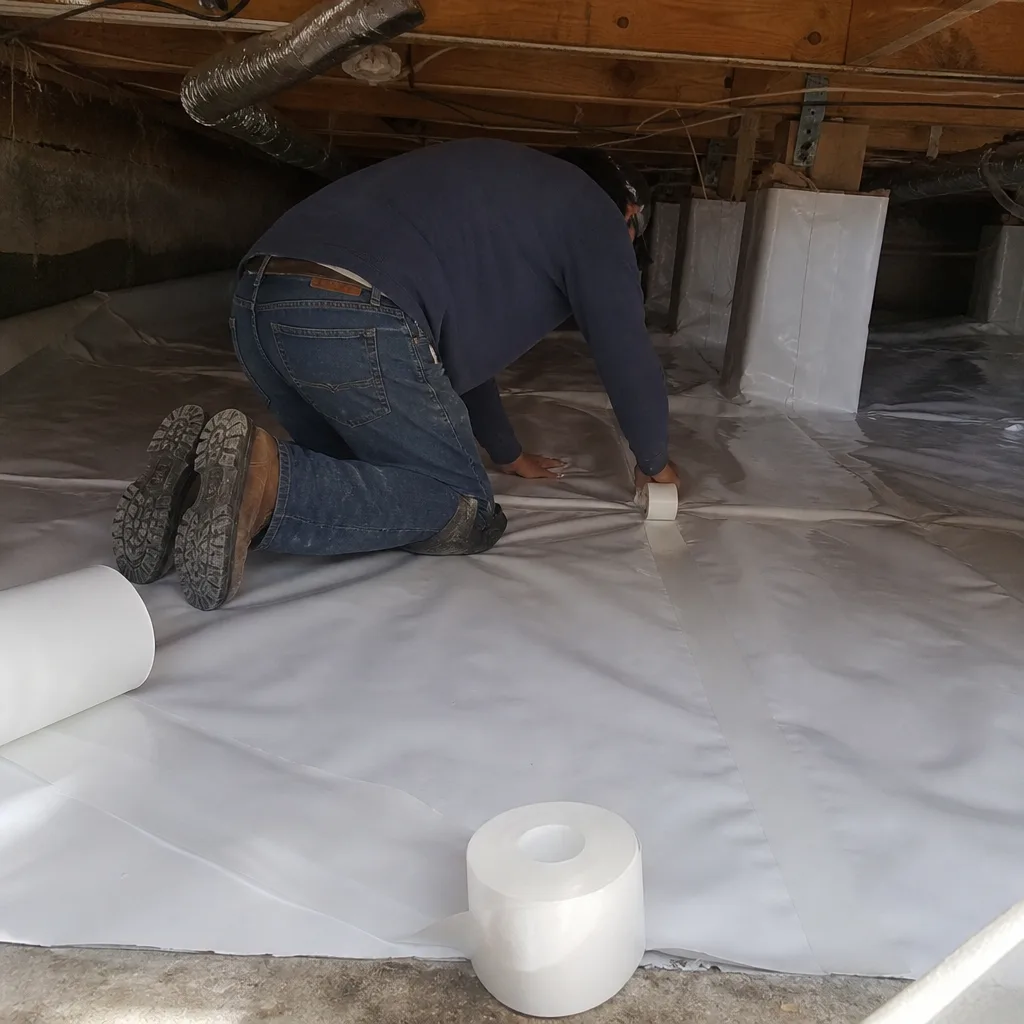
Unpermitted insulation work in Pomona carries risks that compound over time. The immediate risk is a failed inspection if the work is discovered - for example, during a roofing permit application where the inspector sees new insulation without matching permits. The longer-term risk, and the one we see most often, is the disclosure problem at resale.
California law requires sellers to disclose material facts affecting property value. Unpermitted work is a material fact. In Pomona’s active real estate market, where homes in the Lincoln Park and Mayfair neighborhoods frequently sell above asking, buyers and their agents are increasingly thorough about permit history. A disclosure statement that omits unpermitted insulation can become a post-sale liability. A disclosure that includes it triggers price negotiation or demands for retroactive permitting.
Retroactive permitting - legalizing work after the fact - is possible but expensive. Pomona Building & Safety requires the same inspections as original permitting, plus penalties. If walls or ceilings must be opened to verify conditions, the cost multiplies. We’ve consulted on Pomona homes where retroactive permitting for attic insulation cost more than the original work.
Los Angeles County’s penalty structure for unpermitted work discovered during sale or refinance includes:
- Administrative penalties - fines based on valuation of unpermitted work, typically 100-300% of permit fees that would have been paid
- Stop-work orders - if active work is discovered, all construction halts until permits are obtained and penalties paid
- Requirement to expose and verify - inspectors may require removal of finish materials to verify concealed conditions, at the owner’s expense
- Title and escrow complications - lenders may withhold funding until permits are legalized or holdbacks are established
The practical reality in Pomona: a home sale with unpermitted insulation work often proceeds, but with a $5,000-$15,000 price reduction or escrow holdback to cover buyer risk. The savings from skipping the permit - typically a few hundred dollars in fees and a few weeks in scheduling - evaporate many times over.
Some contractors encourage homeowners to skip permits to “save money.” This is a warning sign. A contractor who suggests bypassing code compliance is a contractor who cannot pass inspection, and the liability transfers to the homeowner who owns the property when the work is discovered.
How to Read a Contractor’s Bid for Code Compliance
A compliant bid for Pomona insulation work in 2024 should contain specific elements that reflect current Title 24 standards. Bids that omit these elements are either outdated or intentionally vague. Here’s what to look for.
R-value specified with assembly location
“R-38 attic” is wrong for Climate Zone 10. “R-49 blown-in cellulose on attic floor, Grade I installation” is correct. The bid should name the assembly (attic floor, knee wall, crawl space wall), the target R-value, and the installation quality standard.
Air sealing as a distinct, preceding scope item
The 2022 standards effectively require air-barrier continuity. A bid that lists insulation without air sealing, or treats air sealing as an optional add-on, is not building to current code. Look for language like: “Air seal top plates, electrical penetrations, can lights, and chimney chase with [specific sealant] prior to insulation installation.” For a complete overview of what to monitor, see our Attic Insulation Maintenance Checklist for Pomona Homeowners. At Topside Attic Insulation Pomona, this is standard scope, not optional.
HERS verification line item with named rater or rater company
A bid that says “HERS if required” without naming who performs it suggests the contractor hasn’t coordinated this step. A compliant bid names the HERS provider or states that the contractor will coordinate scheduling with a CEC-certified rater. The bid should also specify when testing occurs - ideally, a pre-work blower-door test and a post-air-sealing test.
Material specifications with manufacturer and product line
Vague terms like “fiberglass” or “spray foam” are insufficient. The bid should specify: “Knauf EcoFill blown-in fiberglass” or “Johns Manville Climate Pro B” or “Owens Corning AttiCat expansion blown-in.” This matters for HERS documentation and for your own records if warranty claims arise.
Permit handling with fee disclosure
The bid should state whether the contractor pulls the permit or the homeowner does, and whether permit fees are included or listed separately. “Permit included” with no fee breakdown is acceptable; “permit not included” with no guidance is a red flag. At minimum, the contractor should know Pomona’s current fee schedule and typical turnaround.
Documentation deliverables
What does the homeowner receive at project completion? A compliant bid should reference: final inspection sign-off, HERS registry documentation, and any contractor-provided records. At Envelope Insulation Co., every job closes with a Documented Photo Record and, on applicable jobs, before-and-after blower-door readings. The homeowner knows what leaving looks like before we arrive.
Bids that lack these elements aren’t necessarily fraudulent, but they are incomplete. The homeowner who signs an incomplete bid assumes the risk of code violations, failed inspections, and resale complications.
Common Mistakes to Avoid
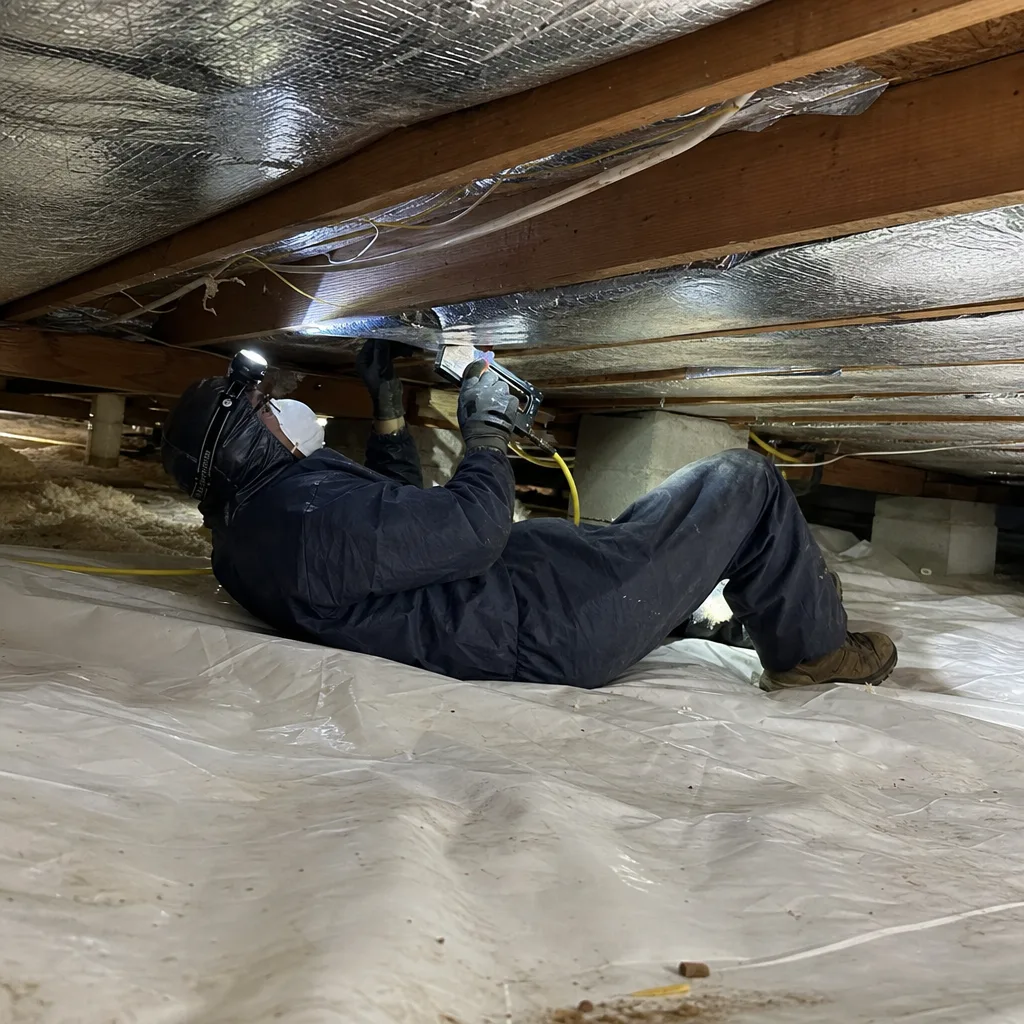
- Assuming a 2019 bid is still valid. Title 24 updated in 2022, and the R-value minimums changed. A contractor who hasn’t revised their standard scope since before January 2023 is building to expired standards.
- Accepting the “like-for-like” exemption at face value. Adding R-value, changing material type, or altering the assembly voids the exemption. We’ve seen Pomona homeowners told their blown-in job over old batts was exempt when it clearly wasn’t.
- Letting insulation cover unsealed penetrations. This fails rough inspection in Pomona now, and it fails HERS verification. The sequence is seal first, insulate second - never reversed.
- Skipping the pre-work blower-door test. Without a baseline, you cannot verify improvement. The 2022 standards require documented ACH50 results for many project types; a contractor who doesn’t measure before cannot prove compliance after.
- Neglecting to verify HERS rater credentials. California certifies HERS raters through specific providers. An unlicensed “energy auditor” cannot file to the CEC registry, and their documentation won’t satisfy Pomona Building & Safety.
- Paying in full before final inspection. Retain at least 10-15% until permit sign-off and HERS filing are complete. We’ve seen Pomona homeowners chase contractors for corrections when payment was already released.
When to Call a Professional
Call a professional when your project exceeds the like-for-like replacement exemption, when you’re altering the thermal envelope in any way, or when you need documented compliance for a sale or refinance. Call when you don’t know your home’s current ACH50, when your contractor’s bid references outdated R-values, or when the sequence of work isn’t specified in writing. Spray foam insulation in Pomona and crawl space encapsulation in Pomona both trigger HERS verification in nearly all cases - these are not DIY-permissible scopes. Topside Attic Insulation Pomona offers free estimates in Pomona. We’ll review your existing conditions, specify current-code compliance, and provide a Written Price Before Any Work Starts. Call (562) 242-7569.
Frequently Asked Questions
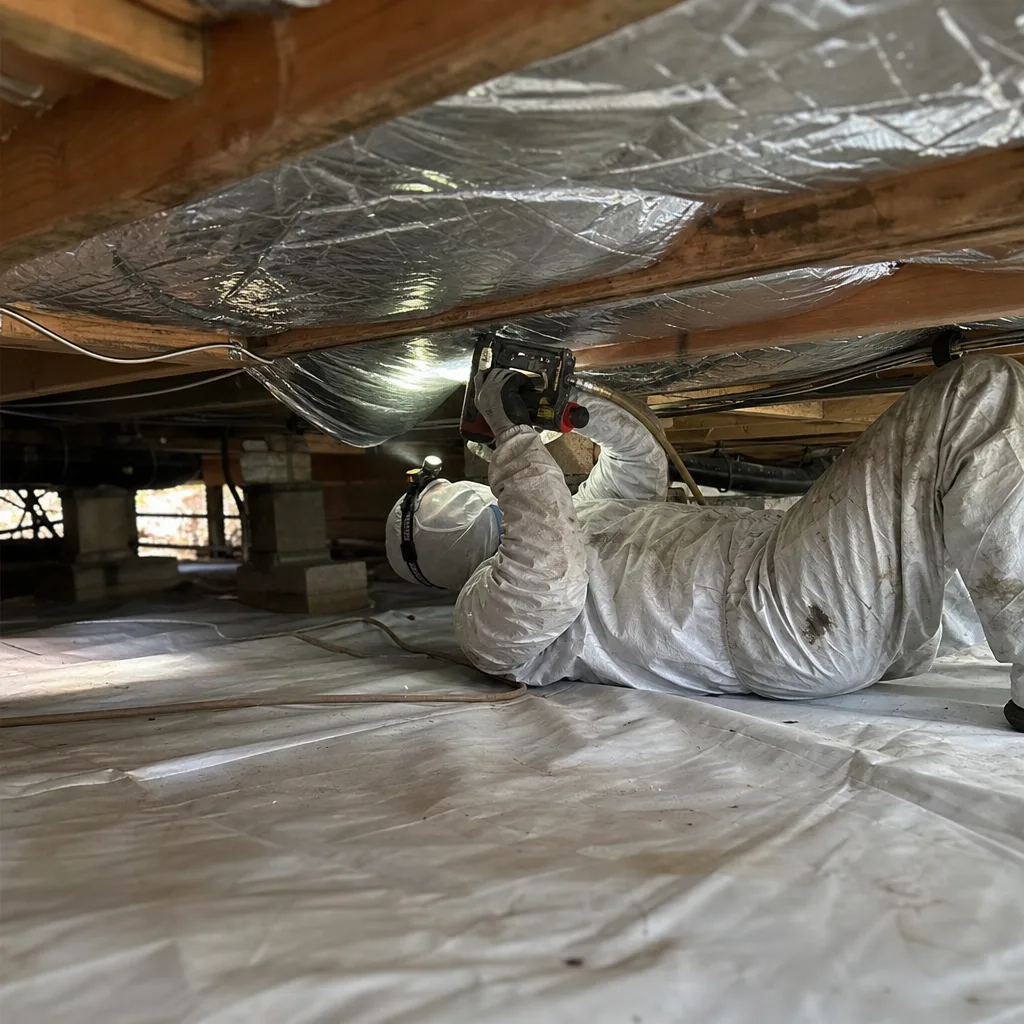
Yes, if you’re adding insulation where none existed, increasing R-value, or changing insulation type. A narrow “like-for-like replacement” exemption applies only to removing and reinstalling the same material at the same R-value. Most attic insulation jobs in Pomona require a permit and, increasingly, HERS verification with blower-door testing under 2022 Title 24. Call (562) 242-7569 for a free estimate - we’ll confirm whether your scope triggers permitting.
Climate Zone 10 requires R-49 minimum for wood-framed ceilings under the 2022 Title 24 standards that took effect January 2023. The previous standard was R-38. Any contractor quoting R-38 as “code minimum” is using expired standards. In Pomona’s inland valley climate, R-49 provides the thermal resistance needed for both summer cooling loads and winter heating. We specify R-49 as standard scope on every attic insulation job.
A HERS rater performs independent third-party verification of field conditions and diagnostic testing. For a typical insulation job, this includes visual inspection of installation quality, air-barrier continuity checks, blower-door testing for ACH50 compliance, and filing results to the California Energy Commission’s permanent registry. The rater does not work for the contractor and cannot be the same person who performed the installation. Their findings determine whether the job passes for final inspection.
Pomona Building & Safety fees for a typical attic insulation permit run $200-$400 for the base permit plus plan check fees. HERS verification adds $400-$800 depending on project complexity and rater scheduling. Combined, permitting and verification typically add 10-15% to project cost. This is substantially less than the cost of retroactive permitting or sale-price reduction for unpermitted work. We disclose all permit and HERS costs in our written price before any work starts.
Homeowners can pull permits for work on their own occupied residence in Pomona, and can perform the work themselves. However, HERS verification must still be performed by a CEC-certified third-party rater, and the work must pass all inspections. For spray foam, crawl space encapsulation, or any work involving steep roofs or hazardous access, we recommend professional installation. We offer a Free Second Opinion on any written estimate, including homeowner-performed scopes.
California requires disclosure of unpermitted work as a material fact. Buyers may negotiate price reductions of $5,000-$15,000, demand retroactive permitting at seller expense, or walk from the transaction. Lenders and appraisers increasingly check permit history. The permanent HERS registry also creates a paper trail for permitted work - its absence raises questions. The few hundred dollars saved skipping a permit typically costs many times more at sale.
Check for four elements: R-49 specified for attic work (not R-38), air sealing as standard scope preceding insulation, HERS verification with named provider, and material specifications with manufacturer and product line. Ask directly: “What Title 24 version is this bid written to?” The answer should be 2022 standards, effective January 2023. If the contractor is uncertain, they may not have performed a code-current job. Bring us any written estimate for a Free Second Opinion - we’ll read it with you.
The Bottom Line
California’s insulation permitting and code requirements changed materially in 2022, and Pomona homes in Climate Zone 10 face specific minimums that many contractors still haven’t incorporated into their standard bids. R-49 is the new ceiling minimum. Air-barrier continuity is mandatory, not aspirational. Blower-door testing with documented ACH50 results now applies to project types that previously escaped it. The permit process, from application through HERS verification to final sign-off, adds time and cost - but far less than the alternatives of failed inspection, retroactive permitting, or sale-price negotiation. A compliant bid names specific R-values, specific materials, specific sequencing, and specific documentation. Anything less is a gamble the homeowner ultimately loses.
Written by Wes Okafor, Owner at Topside Attic Insulation Pomona, serving Pomona since 2016.