
Crawl Space Vapor Barrier in Pomona, CA
A crawl space vapor barrier is a polyethylene or reinforced poly sheeting installed across the ground and up the foundation walls of your crawl space to block ground moisture before it migrates into your floor system and living area. In Pomona, where summer humidity spikes and winter rains push soil moisture through poorly protected crawl spaces, a correctly installed barrier is the single most effective first line of defense against wood rot, mold, and rising energy bills. Most jobs in Pomona complete in one day, and pricing typically runs between $1,200 and $3,800 depending on crawl space size, access conditions, and barrier thickness.
This page covers what a vapor barrier does, what the installation process looks like step by step, and what to expect on your invoice – no ranges so vague they’re useless. If you’d rather talk through your specific situation first, call (562) 242-7569 and a live person will pick up. For a fuller picture of moisture control options – including full encapsulation, spray foam rim joists, and dehumidification – see our Crawl Space Encapsulation & Vapor Barrier in Pomona page.
At Topside Attic Insulation Pomona, Wes Okafor runs every crawl space job under the Haven Standard: written price before any work starts, documented photo record when the crew leaves, and a 365-Day Done Right Promise covering all completed work. That’s the structure on every job, not a feature reserved for bigger contracts.
When You Need a Crawl Space Vapor Barrier
A lot of Pomona homeowners don’t know they have a moisture problem until a floor gets soft, a musty smell won’t leave a back bedroom, or a pest inspector flags wet wood during a routine visit. Here are the specific conditions that tell us a vapor barrier is overdue:
- Visible condensation or standing water on crawl space surfaces. In Pomona’s Ganesha Hills and South Pomona neighborhoods, homes built on clay-heavy soil see seasonal groundwater rise after heavy rain. If your crawl space floor or existing poly looks wet after a storm, bare soil is wicking moisture upward unchecked.
- Musty or earthy odors coming through the floor into living areas. Ground-sourced moisture carries soil gases with it. When those odors reach your kitchen or hallway, ground vapor is already moving through your subfloor framing at a rate that accelerates wood decay.
- Wood rot or soft spots in the subfloor or floor joists. Joist rot in a Pomona crawl space almost always traces back to chronic high relative humidity – something a properly lapped and sealed vapor barrier would have limited years earlier.
- Existing barrier is torn, lapped incorrectly, or less than 6 mils thick. Many Pomona homes built before 1990 have a single layer of 3-mil poly thrown loosely on the ground. That’s not an installation – it’s a placeholder. When it tears or lifts at the edges, it provides almost no protection.
- Higher-than-expected heating and cooling bills. Moisture-laden air in the crawl space forces your HVAC system to work harder to condition the space above. A dry crawl space is easier to keep at a stable temperature, and the floor above it feels warmer in winter.
- Recent rodent or pest activity in the crawl space. Pests seeking moisture are a signal that moisture is there to find. Once we clear the crawl and install the barrier, we document the condition of the insulation and framing so you know exactly what you’re working with before any further decisions are made.
Our Crawl Space Vapor Barrier Process
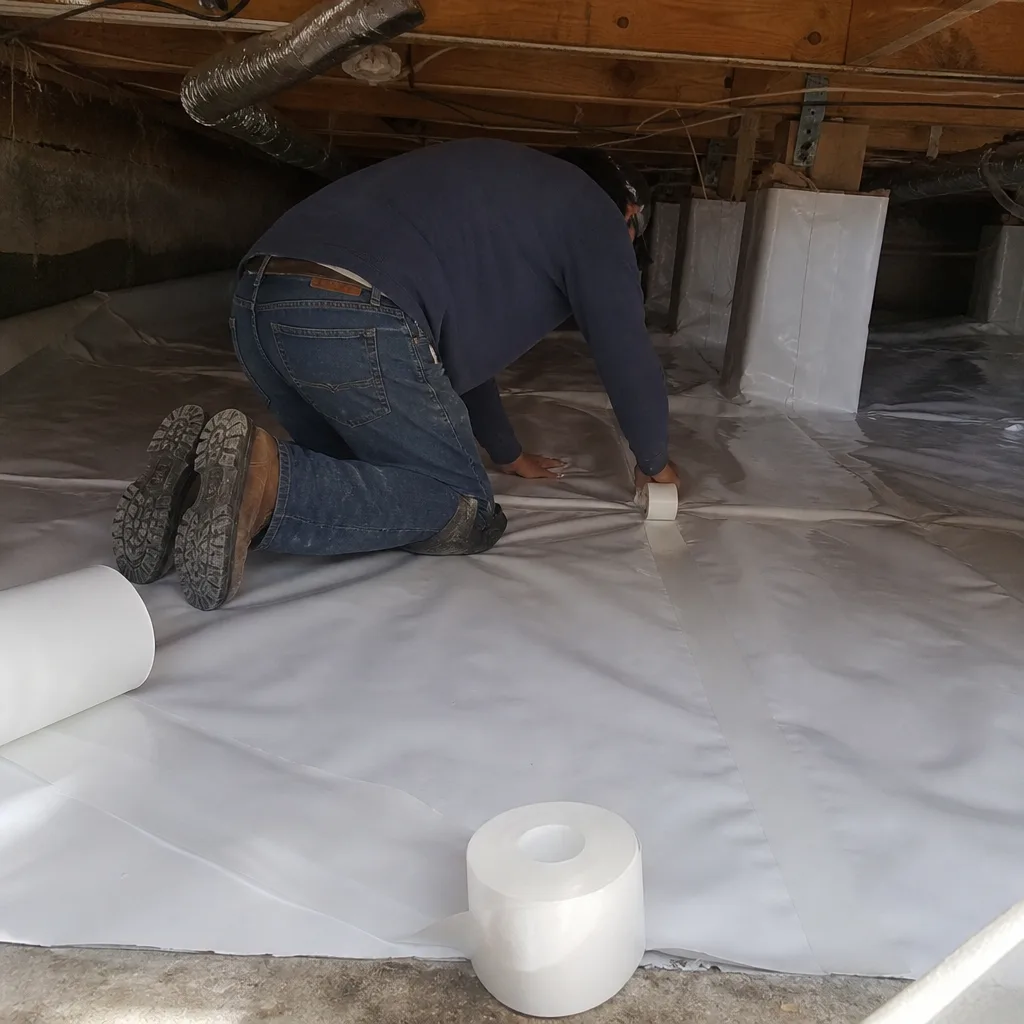
We follow the same sequence on every job, regardless of crawl space size. This order matters: skipping the inspection step or rushing the ground prep creates the failure points we’re called to fix on other contractors’ work.
- Pre-installation inspection and photo documentation. Before any material enters the crawl space, a uniformed, background-checked technician photographs every section – existing barrier condition, joist and subfloor condition, any visible mold, standing water, pest damage, or HVAC ducting. You get that photo record whether or not you proceed with the job. Under the Haven Standard, documentation is not optional.
- Ground preparation and debris removal. We clear rocks, construction debris, and any organic material from the crawl space floor. Sharp objects puncture poly sheeting within the first season if left in place. For crawl spaces in older parts of Pomona – particularly near the historic downtown corridor – we often find decades of accumulated debris that needs to come out before any barrier can seal correctly.
- Old barrier removal (where applicable). Thin, degraded poly comes out entirely. Laying new material over failed old material doesn’t solve the problem – it hides it. Removed material is bagged and hauled off-site as part of the job scope.
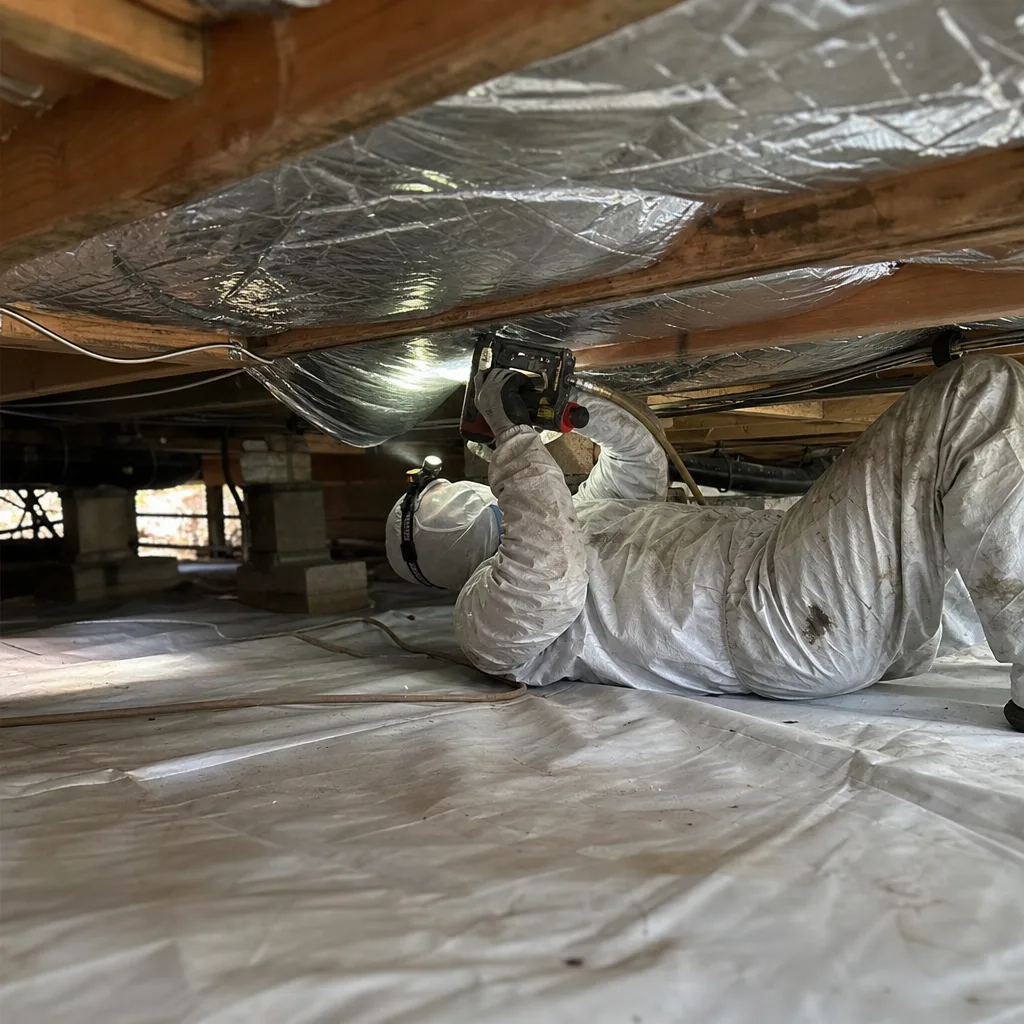
- Barrier installation – ground and foundation walls. We install a minimum 12-mil reinforced polyethylene barrier – CertainTeed’s MemBrain-class materials or equivalent – across the entire ground surface, lapped a minimum of 12 inches at all seams and sealed with seam tape rated for crawl space conditions. The barrier runs up the foundation walls and is mechanically fastened at the top of the stem wall. Gaps at piers, columns, or penetrations are cut and lapped tight. A vapor barrier that stops at the dirt floor and doesn’t run up the walls is only doing half the job.
- Vent, pipe, and pier sealing. Every penetration through the barrier – plumbing stacks, HVAC connections, wood piers – is cut, wrapped, and sealed with compatible tape or mastic. This step is where shortcuts show up within 18 months as moisture rings and tape failures. We document every penetration seal with a close-up photo.
- Final walkthrough and written closeout documentation. After installation, the technician walks the crawl space one more time to verify lap distances, fastener spacing at the walls, and penetration seals. You receive a written scope of work confirming what was installed, the material specification, and the 365-Day Done Right Promise in writing before the crew leaves the property.
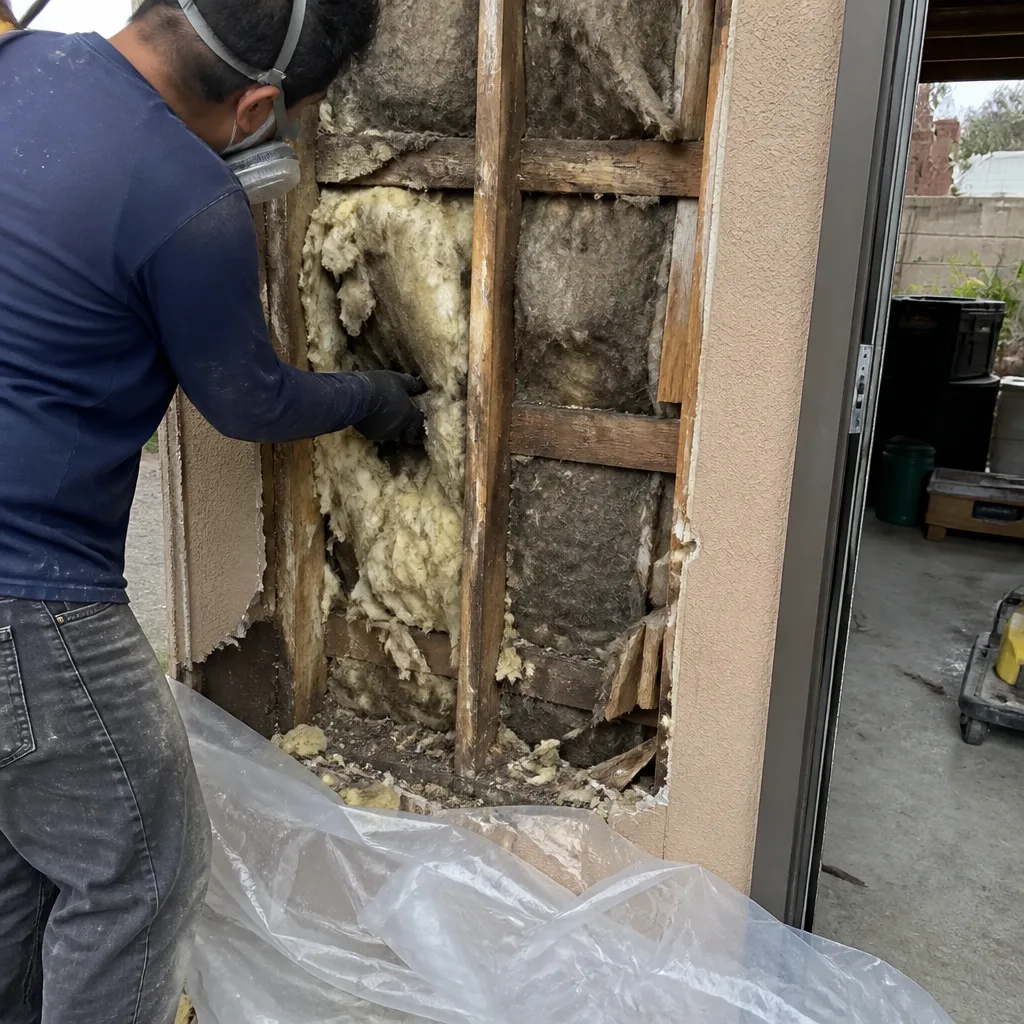 Before
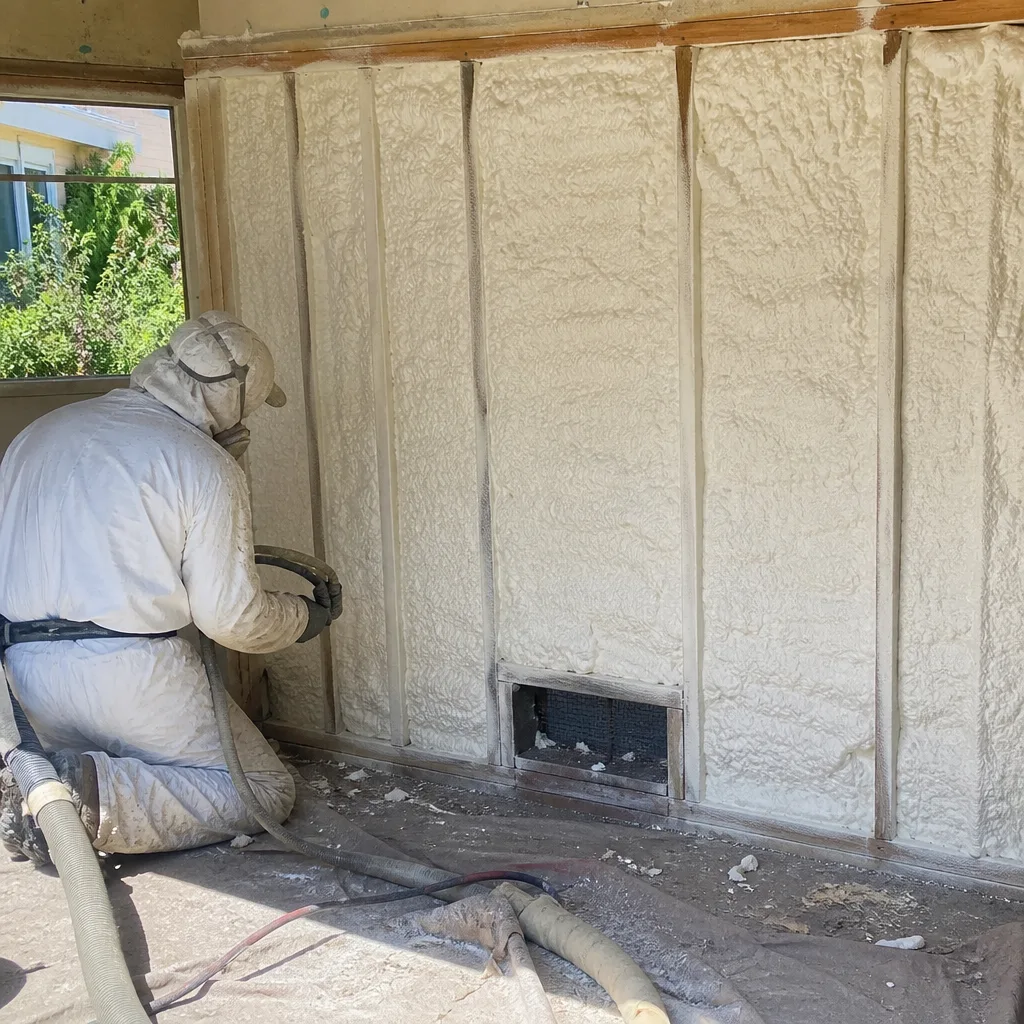 After
AfterCrawl Space Vapor Barrier Pricing in Pomona
Crawl space vapor barrier installation in Pomona typically runs between $1,200 and $3,800 for a single-family home. The range is wide because crawl spaces vary significantly in size, height, access difficulty, and existing conditions. Here’s how the cost breaks down by the factors that actually move the number:
- Crawl space square footage: Most Pomona single-family homes have crawl spaces between 800 and 1,800 sq ft. At typical material and labor rates, figure roughly $0.75 to $1.50 per square foot for a new 12-mil barrier installation, before debris removal or remediation work.
- Barrier thickness: A 6-mil barrier costs less upfront but degrades faster and punctures more easily – we don’t recommend it for occupied homes. A 12-mil reinforced barrier runs more, but it’s the specification that actually holds up over a 10-year horizon. If a competing quote specifies 6-mil, that’s worth asking about.
- Debris and old barrier removal: Hauling out an existing degraded barrier and accumulated debris typically adds $150 to $400 to the job, depending on volume. We give you that number in writing before we start.
- Crawl space access and height: A crawl space with two access hatches and 24 inches of clearance costs less to work in than one with a single 14-inch hatch and 16 inches of clearance. Tight access slows the installation and increases labor time. Homes in South Pomona and the older neighborhoods west of Garey Ave often fall into this category.
- Mold or wood rot remediation: If the inspection reveals active mold or structural damage to joists, that work is scoped and priced separately – never bundled silently into the vapor barrier price. You’ll see each line item before anyone starts.
Every price we give you is a written flat price, not an estimate that grows after we’re on site. That’s Haven Standard Clause 1: written price, written scope, written warranty before any work begins. If you already have a written quote from another contractor, bring it. We offer a free second opinion on any written estimate and will go through it line by line with you.
To get an accurate number for your specific crawl space, call (562) 242-7569 – a live person will answer and can schedule an on-site measurement, usually within a few days.
Why the Barrier Specification Matters – Not Just the Mil Rating
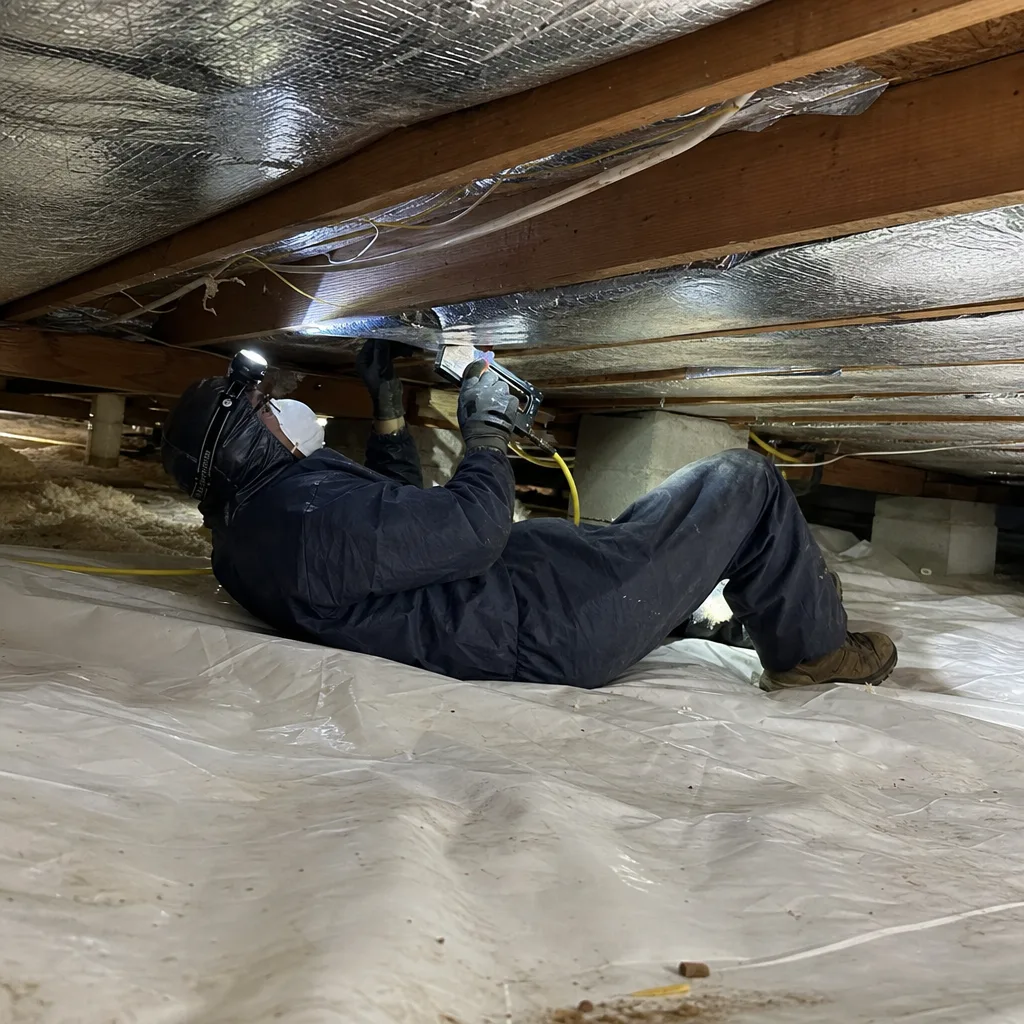
A lot of homeowners ask about mil thickness as if that’s the only spec that matters. It’s important, but it’s not the whole picture. A 20-mil barrier installed with unsealed seams and no wall termination will underperform a correctly installed 12-mil barrier with fully lapped, taped seams and a mechanical fastener at the stem wall.
The three specifications we document on every job are: barrier thickness (minimum 12-mil), seam overlap distance (minimum 12 inches, taped), and wall termination height (sealed to the top of the stem wall, fastened). You’ll see all three confirmed in the written scope and in the photo record we leave with you.
We source barrier materials from manufacturers whose products we’ve tracked across jobs in Pomona since 2016 – over 9,000 homes sealed and insulated under a documented written price, every one. When a material specification changes between what’s quoted and what’s installed, you’ll see it in the documentation because we note the actual product used, not just a generic description.
How a Vapor Barrier Fits Into a Full Crawl Space Moisture Plan
A vapor barrier handles ground moisture. It doesn’t address air infiltration through rim joists, humidity from conditioned-air duct leaks, or inadequate crawl space ventilation. For many Pomona homes – particularly those with older forced-air systems routed through the crawl space – a vapor barrier alone is the right first step, but adding crawl space insulation may be needed for a complete solution.
When we inspect your crawl space, we’ll tell you plainly what we see: whether the barrier alone addresses your situation or whether rim joist sealing, insulation, or a dehumidifier belongs in the conversation. We don’t scope work that isn’t needed to justify a larger contract. The home building envelope is a system, and we treat it that way.
If you’re weighing whether a standalone vapor barrier makes sense versus a full encapsulation, the broader options – including conditioned crawl space conversions and spray foam rim joist sealing – are covered under Crawl Space Encapsulation & Vapor Barrier in Pomona.
FAQs – Crawl Space Vapor Barrier in Pomona
How long does a crawl space vapor barrier installation take in Pomona?
Most vapor barrier installations in Pomona complete in a single day – typically four to seven hours for a standard 1,000 to 1,400 sq ft crawl space with reasonable access. Larger crawl spaces, significant debris removal, or very tight access hatches can push the job into a second day. We give you a realistic time estimate in writing before we start, so you know what to plan for. Call (562) 242-7569 and we can give you a tighter number once we know your square footage and access conditions.
What mil thickness do I actually need for a Pomona crawl space?
For a year-round occupied home in Pomona, 12-mil reinforced polyethylene is the minimum we recommend. The San Gabriel Valley’s seasonal rainfall – the area sees 15 to 18 inches in a wet year, most of it between November and March – puts real pressure on the ground barrier during the months when soil moisture is highest. A 6-mil barrier may satisfy a building inspector but degrades faster and punctures under normal maintenance foot traffic. If a quote specifies 6-mil, ask whether that meets the California Energy Code Section 150.0 crawl space moisture control requirements for your specific configuration – it may not, depending on your foundation type.
Will a vapor barrier fix the musty smell in my Pomona home?
A vapor barrier eliminates the ground moisture source that feeds the odor – and in most Pomona homes where the smell traces to the crawl space, that resolves the problem within a few weeks of installation as the remaining moisture dissipates. If the odor persists after the barrier is installed, it usually means there’s active mold on the joists or subfloor that needs direct remediation rather than just moisture control at the ground level. We document joist and subfloor condition during our pre-installation inspection, so you’ll know before the job starts whether remediation belongs in the scope.
Is a vapor barrier the same as full crawl space encapsulation?
No. A vapor barrier is a ground and wall membrane that blocks moisture from entering through the soil. Full crawl space encapsulation adds rim joist sealing, closed-cell spray foam or rigid insulation on the foundation walls, and often a dehumidifier – essentially converting the crawl space into a semi-conditioned zone. A vapor barrier is a component of encapsulation, not the whole system. For many Pomona homes, a correctly installed 12-mil barrier is the right scope. For others, particularly those with significant air infiltration through rim joists or duct leakage, a fuller encapsulation produces better measured results. We scope what the crawl space actually needs, documented in writing, before any work starts.
If your Pomona crawl space shows any of the conditions described above – soft spots in the floor, musty odors, visible moisture, or a degraded old barrier – the practical next step is an on-site measurement and a written price. Call (562) 242-7569 and a live person will pick up. Wes Okafor and the Topside Attic Insulation Pomona crew have been documenting and correcting crawl space moisture problems in Pomona since 2016. The estimate is free, the price is written before anyone starts, and the photo record of your crawl space comes with every visit – whether or not you book the job.
Written by Wes Okafor, Owner at Topside Attic Insulation Pomona, serving Pomona.