
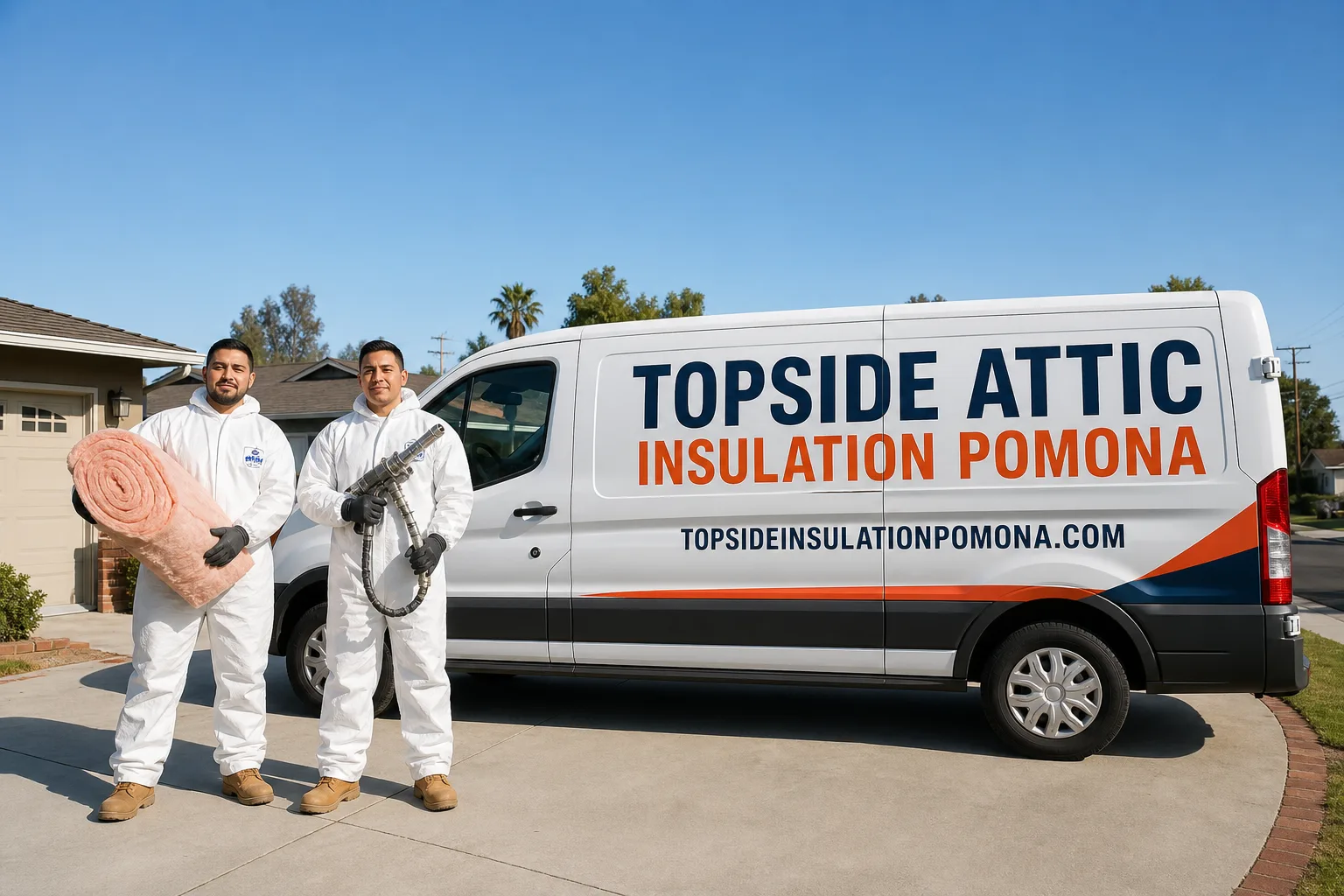
Fast, Reliable Blown-In Insulation Across San Dimas
Blown-in insulation in San Dimas typically runs $1.80-$3.40 per square foot for attic work, with most complete attic jobs falling between $2,400 and $5,800 depending on fire-zone requirements and whether air sealing is needed first. We’re usually on-site in San Dimas within 24-48 hours of your call, and we carry both standard and WUI-rated materials so foothill permits don’t slow the job. Our Blown-In Insulation crews work San Dimas weekly - from the post-war ranches south of Arrow Highway to the custom homes above Via Verde - and we know which permits pull from the city and which route through L.A. County Fire for the VHFHSZ zones. Call (562) 242-7569 for a written price before any work starts.
Why Topside Attic Insulation Pomona Is San Dimas’s Preferred Blown-In Insulation Company
We’ve sealed and insulated homes in San Dimas since 2016 - over 9,000 homes across our service area, with a documented photo record from every one. San Dimas customers specifically mention our blower-door numbers in reviews: they like seeing the before-and-after pressurization readings in writing, not hearing that the house “feels tighter.”
Response time to San Dimas averages same-day or next-day for standard calls, and we stock WUI-rated mineral wool at our Los Angeles office so foothill jobs don’t wait on a special order. Our technicians are background-checked, uniformed, and named in your confirmation text - Haven Standard: Arrive on schedule, you get a named technician and a text when they are on the way.
We also publish a Free Second Opinion on Any Written Estimate. Bring us a competing quote for your San Dimas home and we’ll read it with you line by line.
Our Blown-In Insulation Services in San Dimas
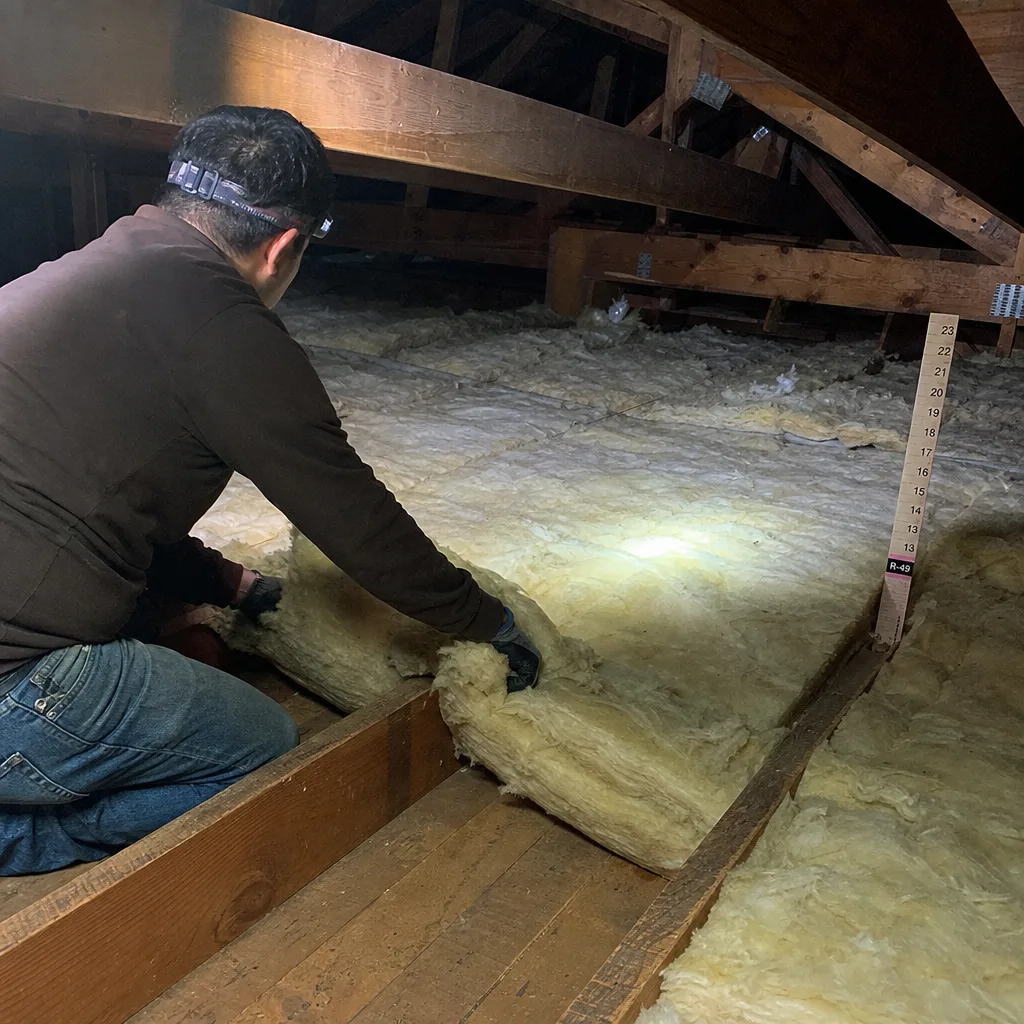
Blown-In Cellulose
Cellulose works well in San Dimas’s flat-valley ranch homes south of the foothill line - the 1950s-1970s tracts where original fiberglass batts have collapsed or were never installed to modern Title 24 depth. We use GreenFiber cellulose in these zones, blown to R-38 or R-49 depending on your ceiling joist depth. But cellulose hits a hard stop in the northern VHFHSZ zones: CAL FIRE’s fire-rated assembly requirement rules it out for exposed attic applications in Country Estates and similar foothill neighborhoods. We identify this in the initial walkthrough so you’re not surprised mid-permit.
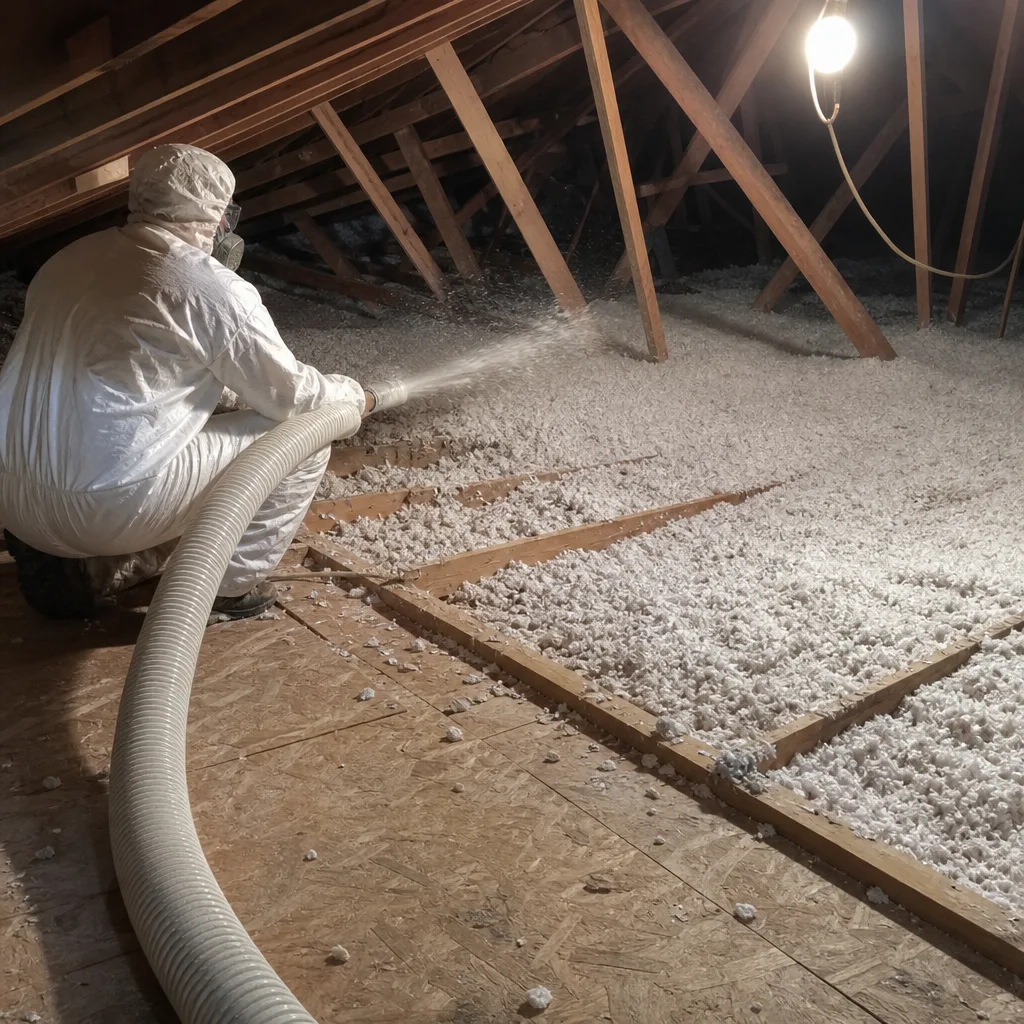
Blown-In Fiberglass
Owens Corning fiberglass blown-in is our default for San Dimas homes that need high-temperature stability without the WUI mineral-wool price jump. In the inland-valley heat trap against the San Gabriel Mountains, attic temperatures past 150°F can degrade cellulose settling rates over time; fiberglass holds its loft. We specify it for flat-valley San Dimas ranches where the homeowner wants thermal performance without the foothill fire-zone overlay, and for top-up jobs where the existing batt framing is still sound.
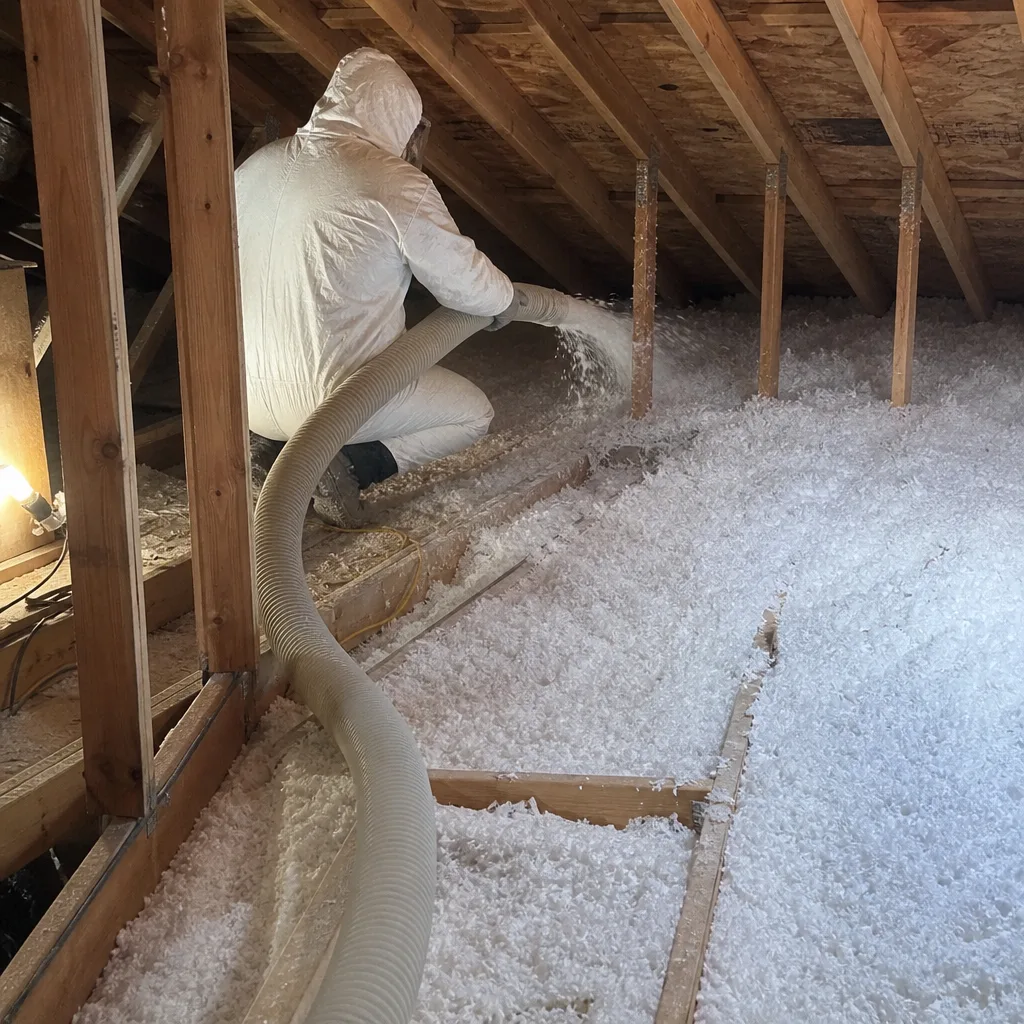
Dense-Pack Wall Insulation
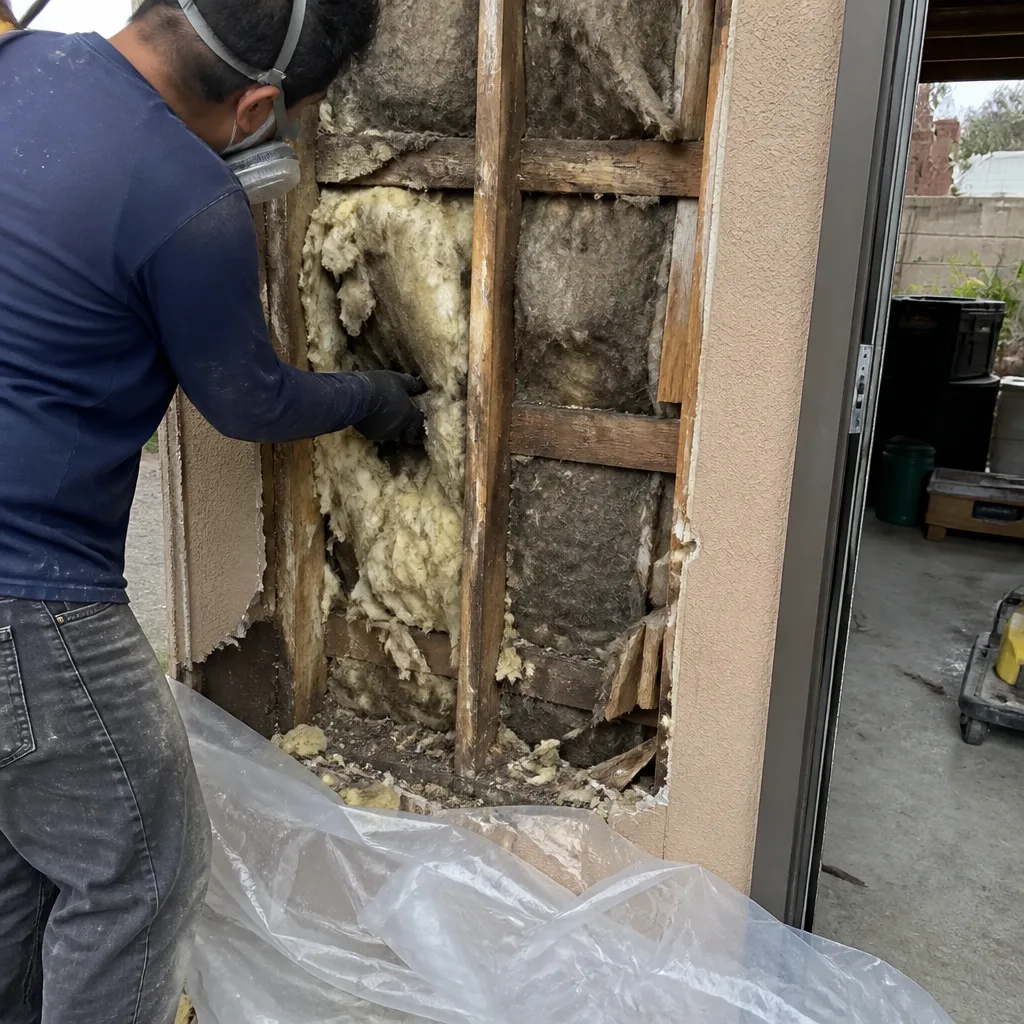
San Dimas’s 1950s-1970s ranch tract homes were built with empty wall cavities or thin board insulation that never met modern standards. We dense-pack those walls with Owens Corning fiberglass from the exterior - no drywall tear-out - by removing a row of siding, drilling the sheathing, and blowing to 3.5 lbs per cubic foot. The technique works especially well on the long, unbroken wall planes typical of San Dimas ranch construction. For split-level foothill homes, we dense-pack the vertical wall sections and pair it with air sealing at the mountain-facing top plates where Santa Ana winds push infiltration.
Blown-In Top-Up
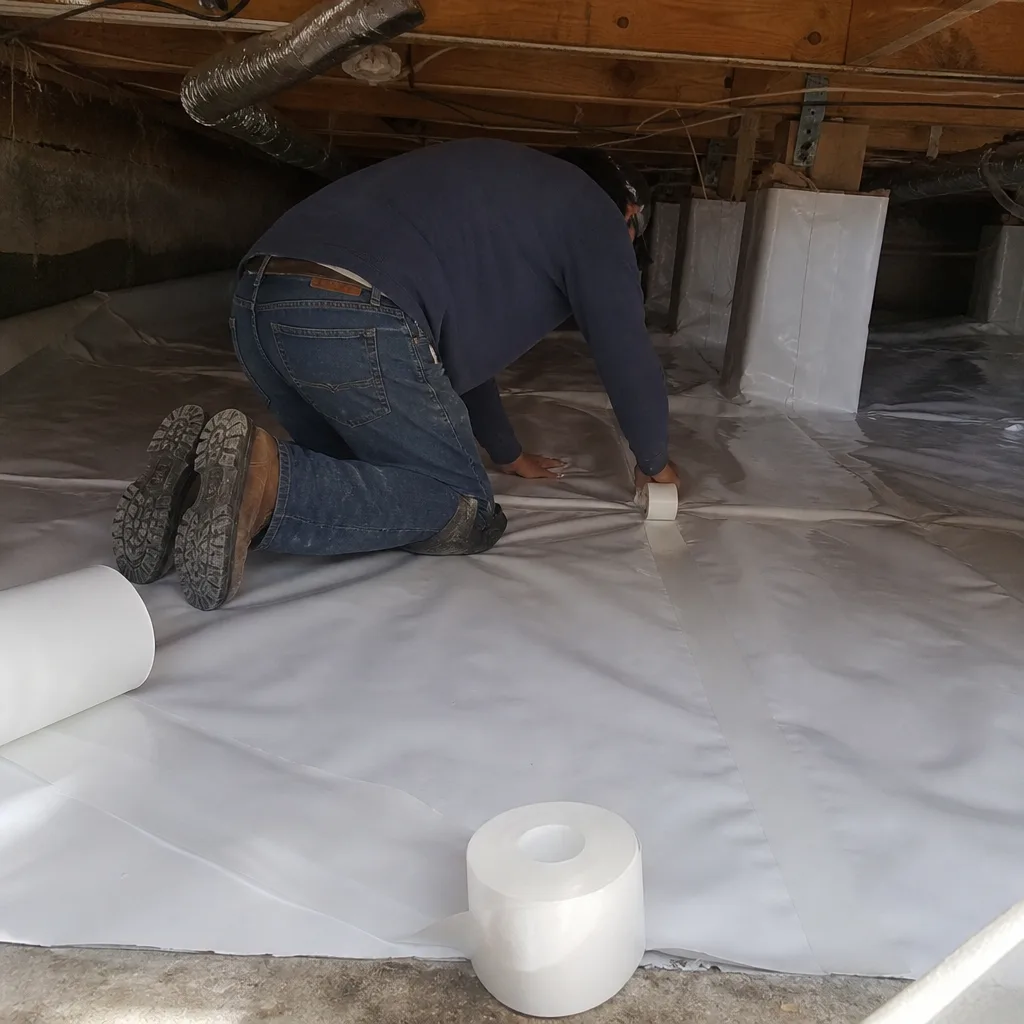
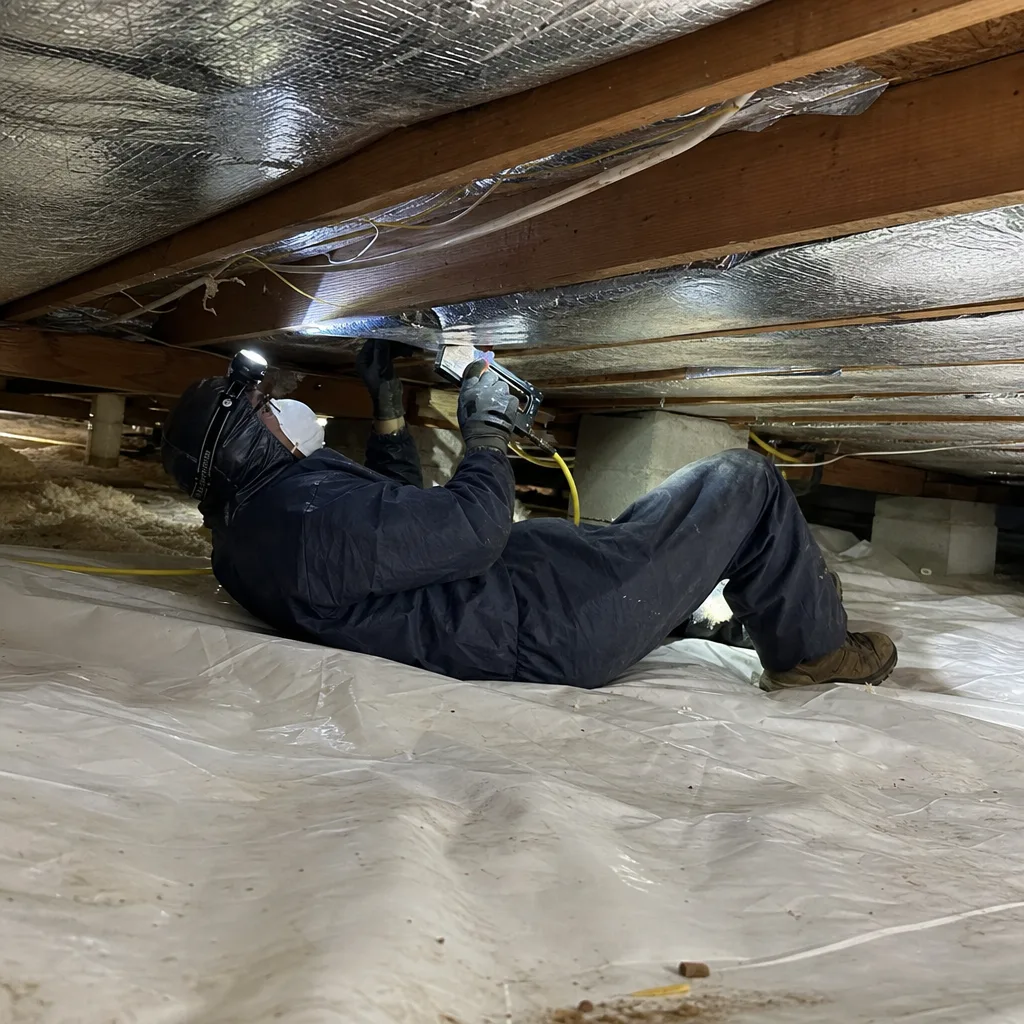
The most common call we get in San Dimas. Homeowners look up and see joists showing through thin, settled batts - original 1970s material compressed to R-11 or less. A top-up alone won’t fix air leaks, so we always test first. Our crew runs a blower-door test - a pressurization reading that shows, in one number, how much air your building envelope is losing - then seals top plates, can lights, and penetrations before adding new material. In San Dimas’s 100-107°F summer highs, an unsealed attic with a fresh top-up is still a hot attic. Sealed first, then insulated. In that order.
What happens when you call
- 1
A real person answersNo phone trees - you reach a local pro.
- 2
You get an upfront price rangeHonest numbers before anyone is dispatched.
- 3
A background-checked tech heads outLicensed & insured, dispatched right away.
- 4
You approve before work beginsNothing starts until you say go.
 Before
 After
AfterTrusted Brands We Service in San Dimas
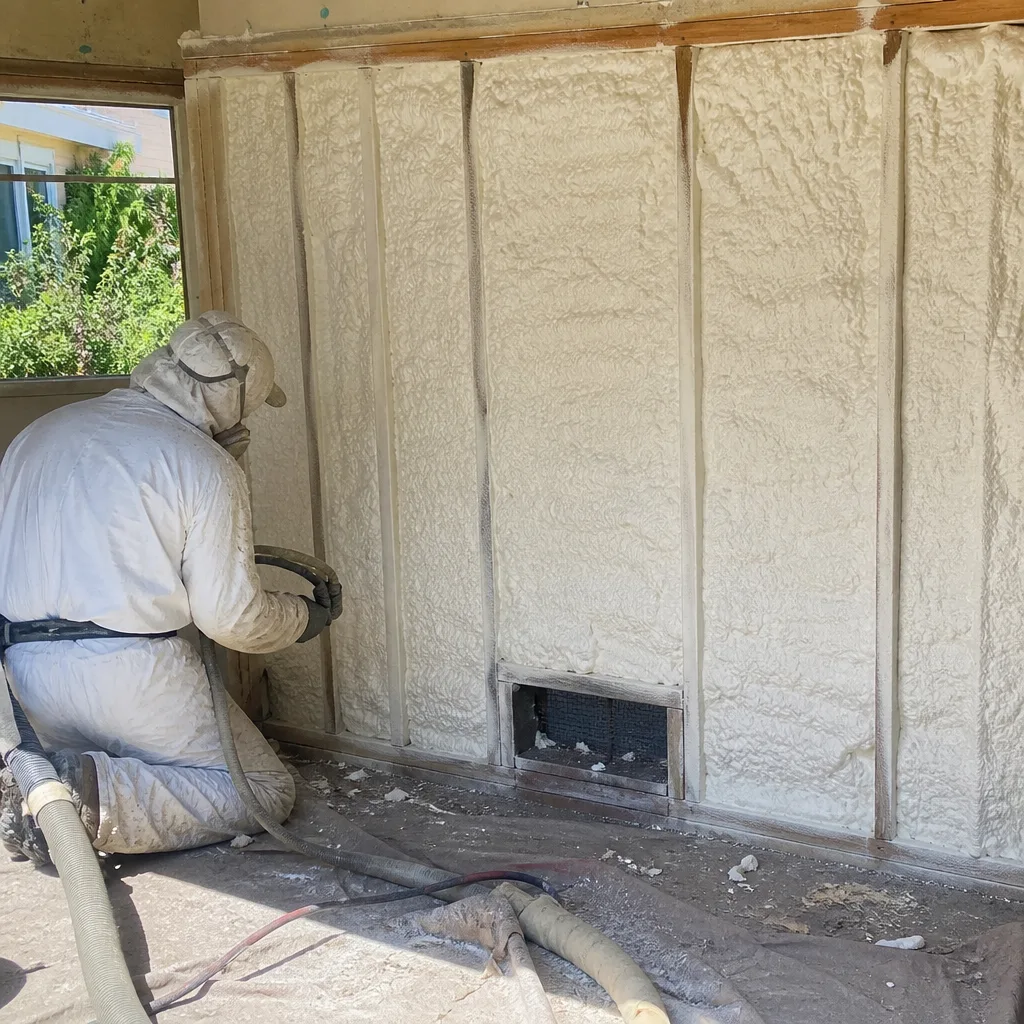
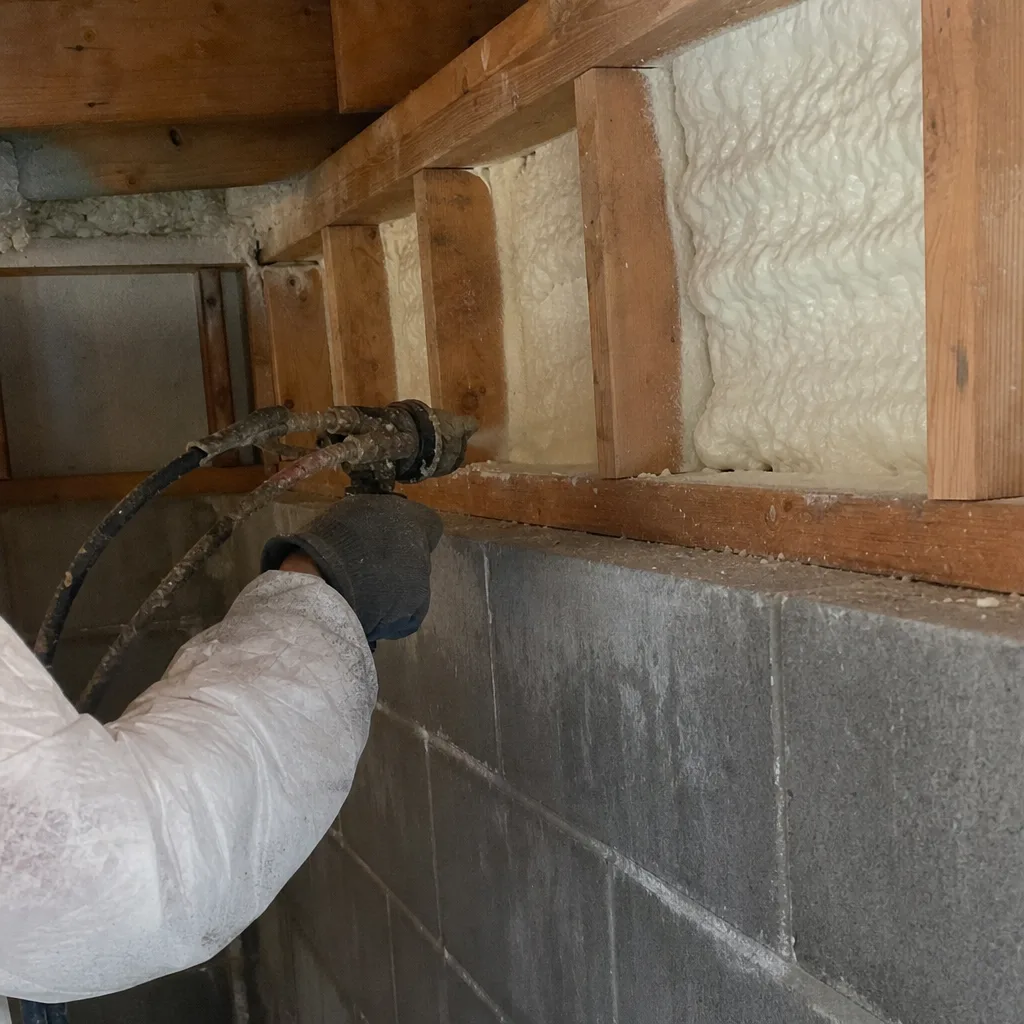
We source blown-in materials from Owens Corning, Johns Manville, Knauf, and GreenFiber - no proprietary lock-in, so we match the spec to your home’s code requirements rather than pushing a house brand. For San Dimas foothill jobs requiring WUI-rated assemblies, we stock Rockwool mineral wool and can source Icynene or Demilec spray foam for hybrid configurations. Our Los Angeles office maintains local inventory of both standard and fire-rated products, so most San Dimas jobs start within a week of written approval.
Common Blown-In Insulation Problems We See in San Dimas Homes
- Cellulose rejected mid-inspection on foothill permits. A San Dimas homeowner budgets for standard blown-in attic insulation, the permit hits the CAL FIRE VHFHSZ overlay, and the inspector flags cellulose in exposed zones. We see this regularly in Country Estates and upper Via Verde areas. The pivot to mineral wool adds cost and lead time that flat-valley customers in La Verne or Covina never encounter.
- Post-war batts degraded below Title 24 depth. The 1950s-1970s ranch tracts south of Arrow Highway often have original fiberglass batts collapsed to 2-3 inches. A “top-up” alone leaves thin, uneven coverage over the hottest ceiling plane in the inland valley. We measure existing depth and density before recommending anything.
- Split-level homes with under-floor gaps along sloped framing. The custom and estate homes in northern San Dimas built on hillside lots frequently have raised foundations or split-level designs. A whole-attic blow misses the floor cavities, and unsealed mountain-facing top plates let Santa Ana winds push conditioned air straight out through the new insulation.
- Attic temperatures past 150°F accelerating material degradation. San Dimas’s mountain-backed heat trap runs 15-20°F hotter than coastal Los Angeles. Standard cellulose settling rates increase in sustained high heat. We factor this into material selection and target density, not just R-value on paper.
Pricing for Blown-In Insulation in San Dimas, CA
Most blown-in attic jobs in San Dimas run $2,400-$5,800 for a typical 1,200-2,200 square foot home. Flat-valley ranch homes with straightforward access and no fire-zone overlay sit at the lower end. Foothill properties requiring WUI-rated mineral wool assemblies or hybrid specs push toward the upper range, sometimes exceeding it for large custom homes with complex rooflines.
Dense-pack wall insulation in San Dimas typically adds $1,800-$3,200 for a full ranch-style home, depending on cavity depth and exterior siding type. Blown-in top-up jobs where the existing substrate is sound and air sealing is minimal start around $1,400.
What moves the number: fire-zone material requirements, attic accessibility (steep-pitch or low-clearance), existing insulation removal, and the extent of air-sealing work needed before blowing. We give you a flat written price before any work starts - Haven Standard Clause 1 - and a Free Second Opinion on any competing written estimate. Call (562) 242-7569 for an exact quote; estimates are free.
We Also Serve Cities Near San Dimas
Our crews work San Dimas weekly and also cover La Verne, Glendora, Covina, and Azusa. Each city carries its own permit path and climate load; we adjust the spec accordingly rather than running the same material list everywhere. Dispatch and scheduling are coordinated from our Los Angeles office.
Serving San Dimas, CA - Our Local Coverage Area
We’re based in the San Dimas area and know this community well. Use the map below to see our service coverage - if you’re nearby, we can almost certainly help.
FAQs - Blown-In Insulation in San Dimas
Yes. If your home sits in the CAL FIRE Very High Fire Hazard Severity Zone - the northern foothill neighborhoods including Country Estates and areas above Via Verde - exposed attic cellulose is typically prohibited. The WUI construction standard requires a fire-rated assembly, which means mineral wool or a listed configuration instead. Flat-valley San Dimas homes south of the foothill line face no such restriction. Call (562) 242-7569 and we’ll verify your address against the fire-zone map before quoting.
San Dimas sits in a natural heat trap backed against the San Gabriel Mountains, while Pomona opens south toward the coastal air basin. Summer highs in San Dimas routinely hit 100-107°F, and the mountain orientation blocks evening cooling that Pomona receives. Your attic absorbs that differential all day. We address it with proper R-value, air sealing to stop stack-effect venting of conditioned air, and - where the budget allows - radiant barrier installation to reflect solar gain before it reaches the insulation layer.
Yes. We access wall cavities from the exterior by removing a row of siding, drilling the sheathing, and blowing Owens Corning fiberglass to 3.5 lbs per cubic foot. The siding goes back on. No interior drywall work, no paint matching, no dust inside the house. The technique works on the long, uninterrupted wall planes typical of 1950s-1970s San Dimas ranch construction. Call (562) 242-7569 for a written price; estimates are free.
Cellulose is treated paper fiber - cost-effective, good R-value per inch, and our default for flat-valley San Dimas homes. Mineral wool is spun rock or slag, non-combustible, and the material CAL FIRE requires in VHFHSZ zones like Country Estates. Mineral wool costs more per square foot and requires denser blowing for the same R-value, but it won’t burn and it handles the 150°F+ attic temperatures without degradation. We specify based on your permit path, not habit.
Yes, but the scope changes. Split-level foothill homes often have under-floor cavities along the sloped foundation that a standard attic blow misses, plus mountain-facing top plates where Santa Ana winds drive infiltration. We typically pair attic blowing with dense-pack wall work and targeted air sealing at the pressure boundaries. On a Country Estates split-level above the foothill line, our tech opened the attic to find the original 1980s batts collapsed off the sloped-lot framing and a WUI overlay in the permit set that ruled out GreenFiber cellulose in the exposed zones. We pivoted the spec to Rockwool mineral wool for the fire-rated assembly, then dense-packed the wall cavities with Owens Corning fiberglass and air-sealed the mountain-facing top plates where the Santa Ana infiltration was worst; the homeowner’s summer attic readings dropped from the 150s into the low 120s and the envelope stopped whistling on offshore-wind nights. Call (562) 242-7569 and we’ll walk your specific layout.
Ready for a written price before any work starts? Call (562) 242-7569 for your free San Dimas estimate. A live person answers 24/7. You’ll get a named technician, a text when they’re on the way, and a Documented Photo Record when the crew leaves - plus before-and-after blower-door numbers on every applicable job.
Written by Wes Okafor, Owner at Envelope Insulation Co., serving San Dimas under The Haven Standard since 2016.