
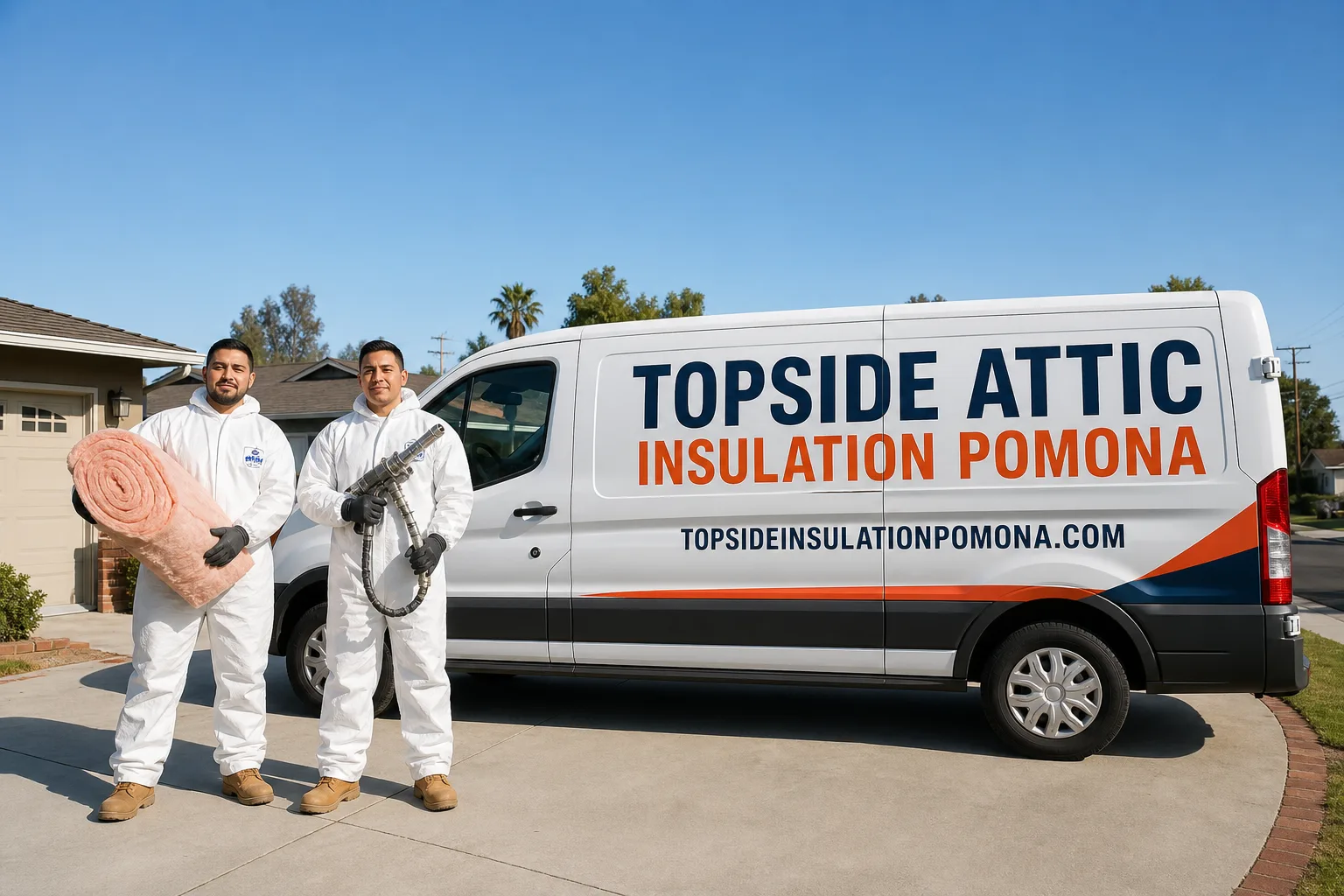
Fast, Reliable Blown-In Insulation Across Glendora
Blown-in insulation in Glendora runs $1.80-$3.20 per square foot for attic work, with most complete attic jobs falling between $2,400 and $5,800 depending on accessibility, existing material condition, and whether your home sits in a fire hazard zone. We dispatch crews to Glendora from our Los Angeles office, and most homeowners in the 91740 and 91741 zip codes see us within one to two business days of calling. If you’re off Foothill Boulevard in the flatlands or up in the north Glendora foothills near the Colby Fire scar, the material spec changes. We’ve learned that the hard way so you don’t have to. Call (562) 242-7569 for a written price before any work starts.
Why Topside Attic Insulation Pomona Is Glendora’s Preferred Blown-In Insulation Company
We’ve sealed and insulated more than 9,000 homes since 2016, and a significant share of those have been in the San Gabriel Valley. Glendora’s not a drive-by market for us. We know the difference between a 1964 ranch off Route 66 in the flatlands and a 1992 hillside build off Glendora Avenue where the fire district has material approval authority.
Our reviews from Glendora customers consistently note two things: we show up with a written price, and we leave behind documentation they didn’t expect. Photos of every cavity. Blower-door numbers when air sealing is part of the job. A 365-Day Done Right Promise in writing, not a verbal shrug.
Response time to Glendora is typically same-week, with emergency calls answered by a live person 24/7. No callback windows. No voicemail loops. When Santa Ana winds are forecast and your attic insulation has already settled into ridges and valleys, that matters.
Local knowledge that flatland crews from western LA often miss: Glendora’s north-side foothill neighborhoods sit within California-designated Very High Fire Hazard Severity Zones. The 2014 Colby Fire burned directly against residential edges here. That history lives in the building code now. Blown-In Insulation in Glendora requires different material specifications than the same work in Covina or Baldwin Park, and our crews carry those specs on every hillside job.
Our Blown-In Insulation Services in Glendora
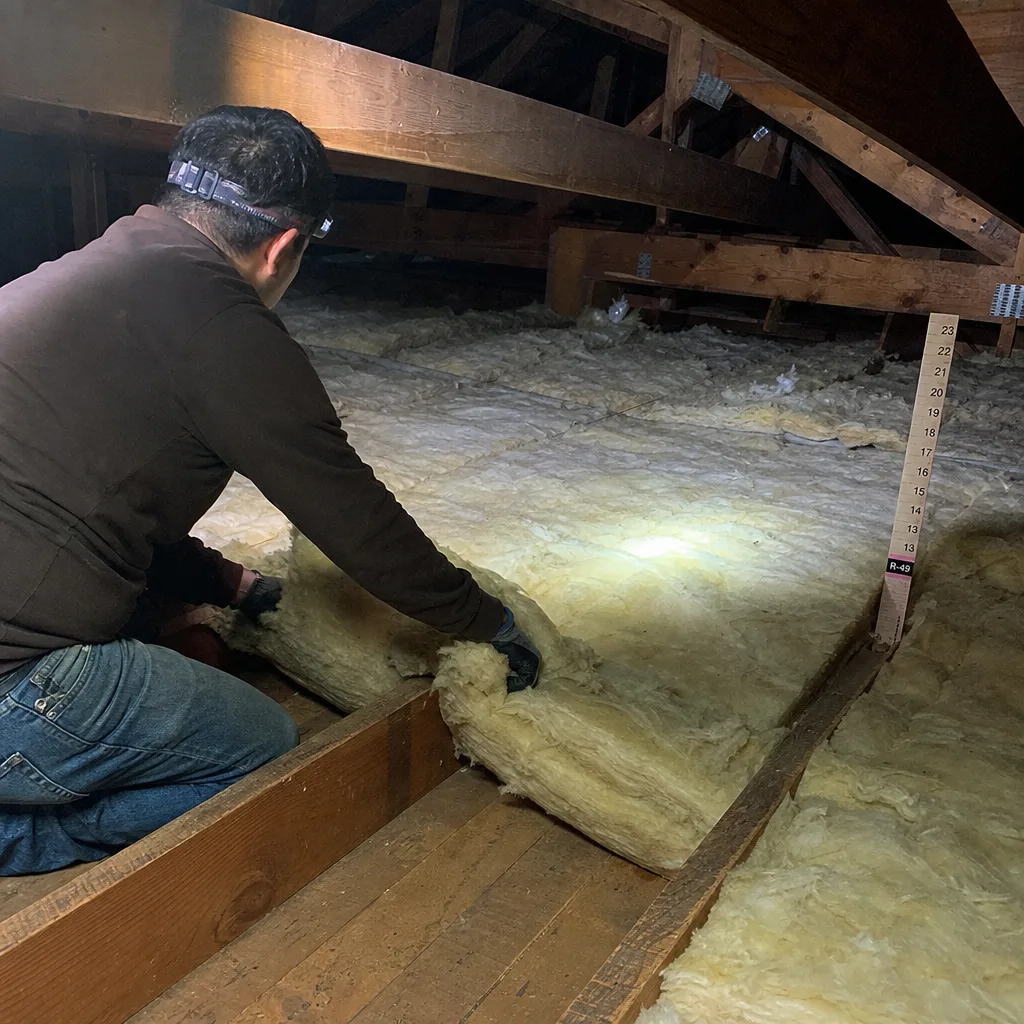
Blown-In Cellulose
We specify borate-treated cellulose for most Glendora attic jobs, including GreenFiber where ignition-resistant assemblies are required. Cellulose handles Glendora’s thermal swing - 105°F August afternoons down to mid-30s°F January nights - better than older fiberglass batts because it fills irregular cavities and resists convection currents. In north Glendora VHFHSZ tracts, the borate treatment serves double duty: fire resistance and pest deterrence. We never blow cellulose over an unsealed attic floor. Top plates, can lights, and wire penetrations get sealed first. That’s Haven Standard.
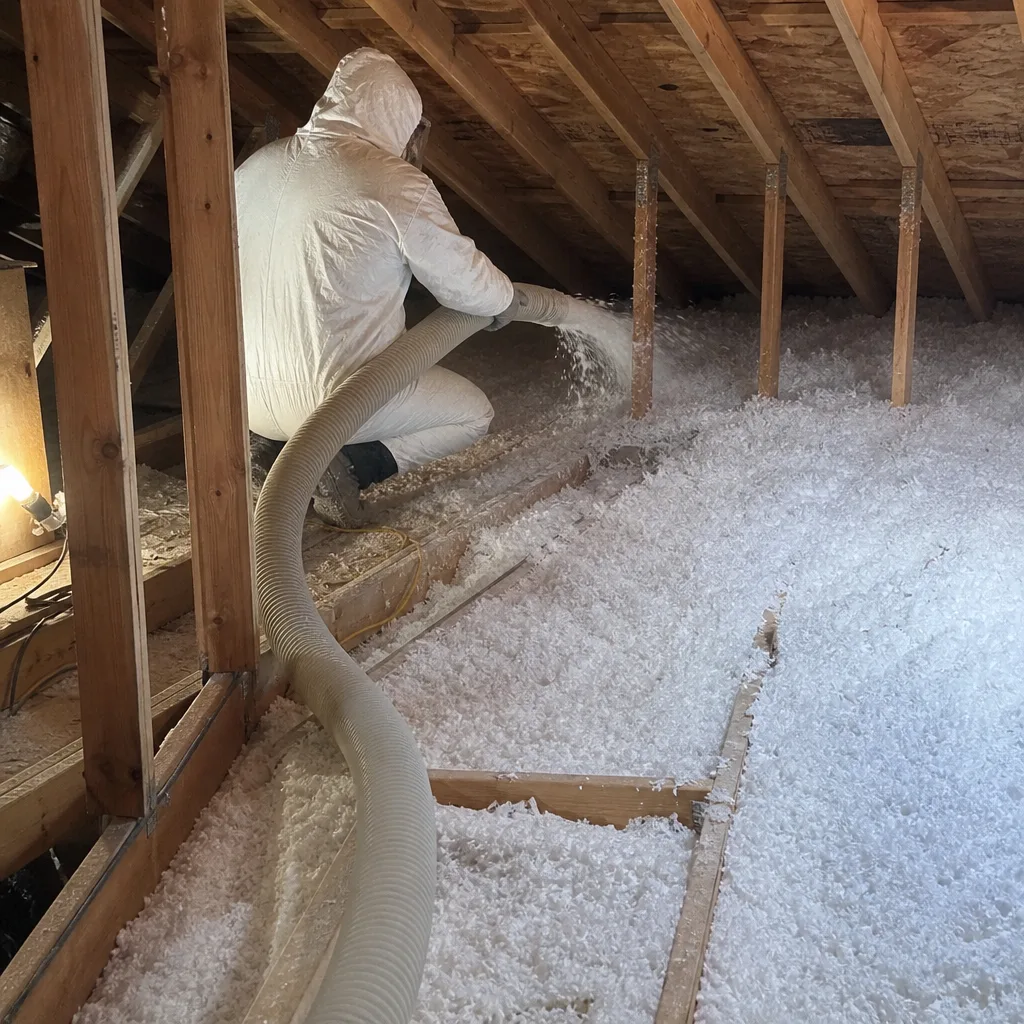
Blown-In Fiberglass
Johns Manville fiberglass loose-fill works well in Glendora’s 1980s-2000s foothill homes that already have some baseline insulation but need R-value recovery. Fiberglass doesn’t absorb moisture, which matters in Glendora’s occasional winter marine-layer intrusion that can linger against the San Gabriels. We use it where the attic floor is already reasonably sealed and the homeowner wants a faster install with less compression over time. Still: sealed first, then insulated. No exceptions.
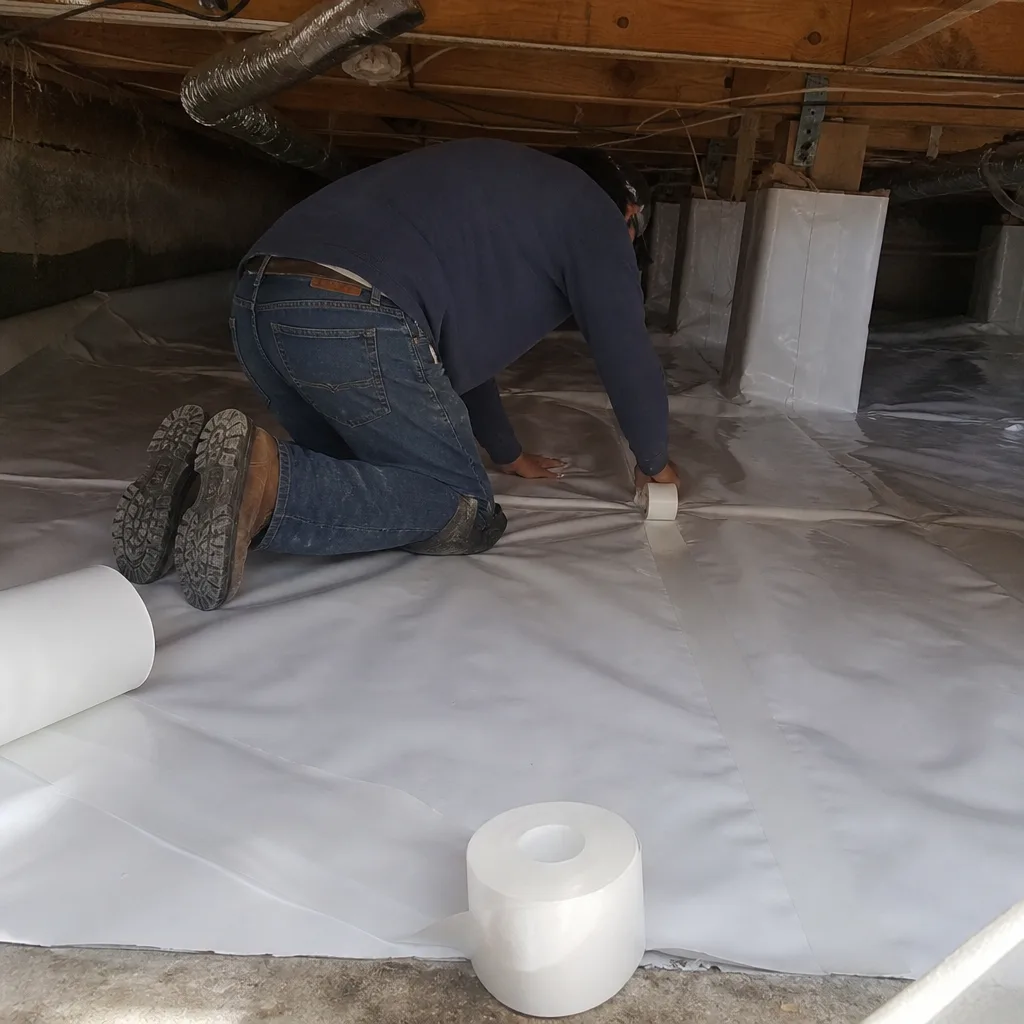
Dense-Pack Wall Insulation
This is where we see the biggest gap in Glendora’s 1950s-1970s ranch stock. Most of these homes were built before Title 24 existed. The attics might have degraded batts. The walls often have nothing. Dense-packing exterior walls with blown-in fiberglass or cellulose at 3.5 pounds per cubic foot creates an air-impermeable barrier that batts never achieve. In a 1962 tract home off Foothill Boulevard, we dense-packed the walls with Johns Manville fiberglass after the original batts had compressed to nothing. The homeowner’s summer cooling load dropped measurably. For Glendora’s 100°F-plus summer peaks, wall insulation isn’t optional if you want the attic work to pay off.
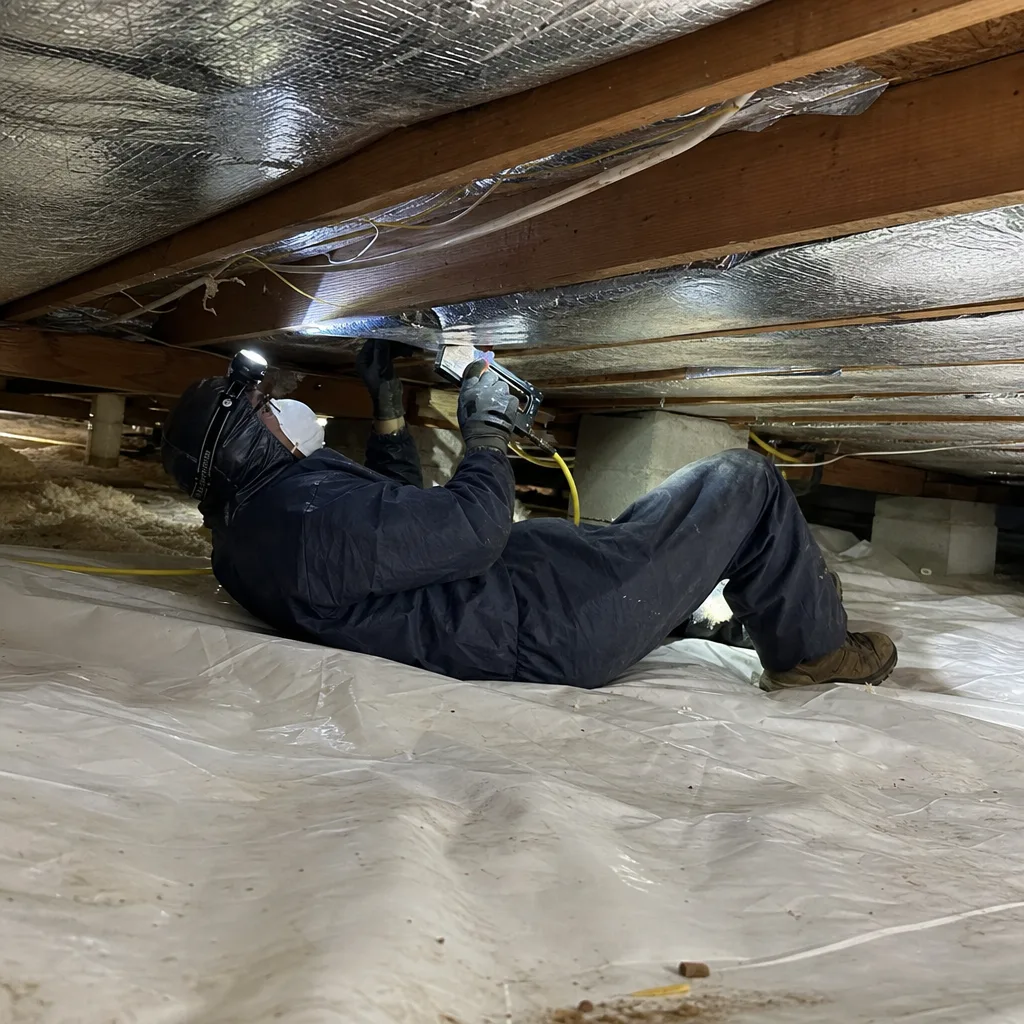
Blown-In Top-Up
Here’s where Glendora’s fire zone changes the conversation. In flatland Covina, a top-up means adding loose-fill over existing material. In north Glendora’s VHFHSZ tracts north of Foothill Boulevard, CAL FIRE and local fire-district rules require ignition-resistant insulation assemblies. You can’t just blow more on top. The material spec, the barrier details, and the documentation all shift. We were called to a 1988 hillside ranch off Glendora Avenue north of Foothill Boulevard where the homeowner’s old blown-in fiberglass had settled to R-8 in the low spots after years of Santa Ana wind pressurization. We had to specify borate-treated cellulose with the ignition barrier detail documented for fire-zone review before we could blow it. Our Blown-In Insulation team handles both paths: the straightforward flatland top-up and the fire-zone compliant upgrade.
What happens when you call
- 1
A real person answersNo phone trees - you reach a local pro.
- 2
You get an upfront price rangeHonest numbers before anyone is dispatched.
- 3
A background-checked tech heads outLicensed & insured, dispatched right away.
- 4
You approve before work beginsNothing starts until you say go.
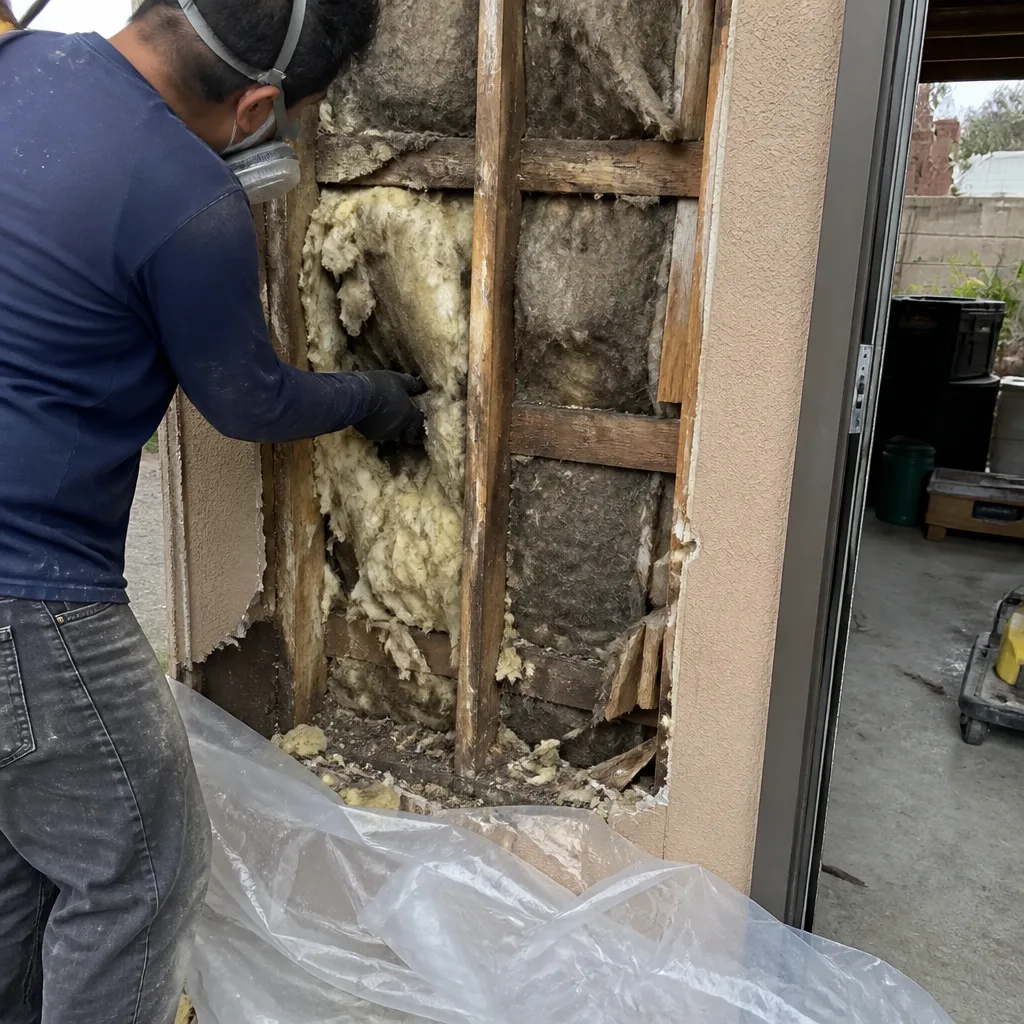 Before
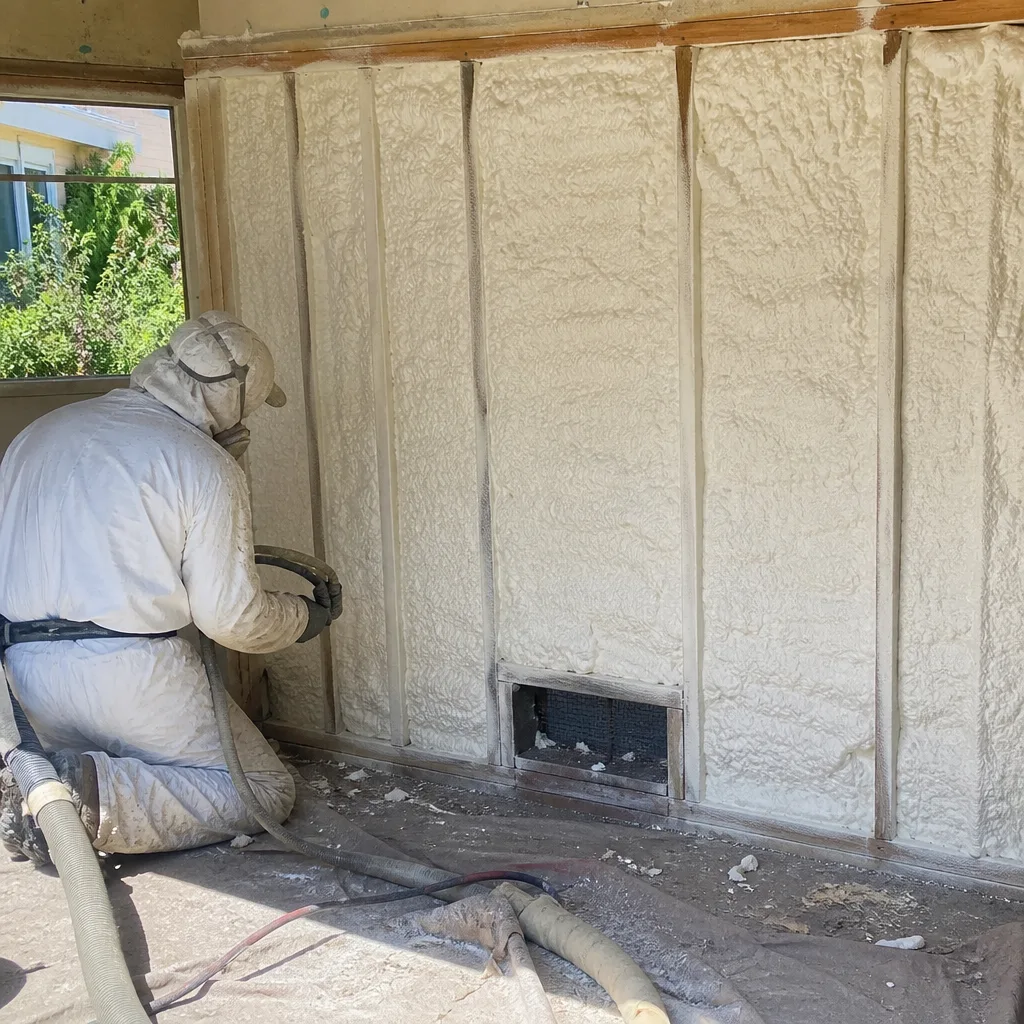 After
AfterTrusted Brands We Service in Glendora
We source materials from Owens Corning, Johns Manville, Knauf, Rockwool, CertainTeed, Icynene, Demilec, and GreenFiber. No proprietary lock-in means we match the material to the house, not the other way around. For Glendora’s VHFHSZ foothill jobs, we stock GreenFiber borate-treated cellulose and CertainTeed ignition-barrier assemblies locally, so fire-zone spec changes don’t add weeks to your schedule. Flatland jobs off Route 66 or Foothill Boulevard typically pull from standard Johns Manville or Owens Corning loose-fill inventory. Everything arrives with manufacturer spec sheets, and everything goes into your documented photo record.
Common Blown-In Insulation Problems We See in Glendora Homes
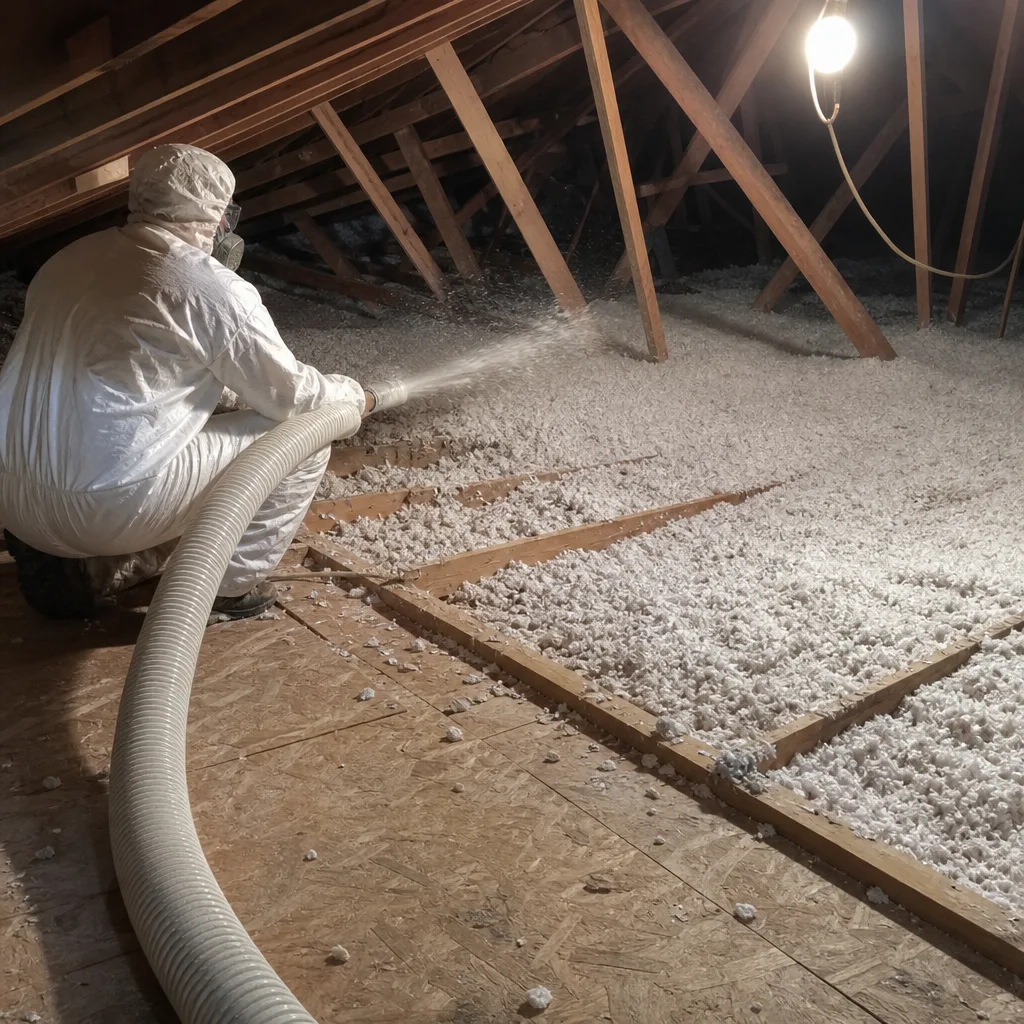
- Santa Ana wind settlement. Wind events funnel through the San Gabriel Mountain passes and pressurize Glendora attic cavities. Older loose-fill migrates to the eaves, leaving R-8 valleys under your central ductwork. We find this on both flatland and foothill tracts. The fix isn’t more insulation; it’s proper damming and, often, denser material selection.
- Fire-zone material violations. Out-of-area crews blow standard cellulose in north Glendora VHFHSZ tracts without ignition-barrier documentation. Glendora fire inspectors flag this. Homeowners learn about it when they’re already into a refinance or sale inspection. We document the barrier detail before we start.
- Title 24 pre-era wall cavities. 1950s-1970s Glendora ranch homes often have uninsulated 2×4 walls. Blown-in attic work alone leaves the walls as the dominant heat path. We see this most in the central Glendora flatlands, where the housing stock is oldest and the summer sun bakes the west walls past 110°F surface temperature.
- Compressed original batts. Fiberglass batts installed in 1980s-1990s foothill homes have settled to half their labeled R-value. Homeowners think they have R-30; they have R-15 with gaps. A blower-door test - pressurization reading in CFM50 - shows exactly how much conditioned air is escaping through those gaps.
Pricing for Blown-In Insulation in Glendora, CA
| Service | Typical Range in Glendora |
|---|---|
| Blown-in cellulose attic (flatland, 1,200 sq ft) | $2,400 - $4,200 |
| Blown-in cellulose attic (VHFHSZ foothill, with ignition barrier) | $3,200 - $5,800 |
| Blown-in fiberglass attic top-up | $1,800 - $3,400 |
| Dense-pack wall insulation (per sq ft of wall) | $2.20 - $4.00 |
| Attic air sealing + blower-door test | $800 - $1,600 |
What moves you within these ranges: attic accessibility (scuttle vs. pull-down stairs), existing material removal, fire-zone material upcharge, and whether air sealing is needed first. We don’t guess. Every Glendora job starts with a written price, flat scope, and written warranty before anyone lifts a tool. Haven Standard Clause 1. Bring us a competing quote; we’ll read it with you. Free Second Opinion. Call (562) 242-7569 for scheduling.
We Also Serve Cities Near Glendora
Our crews work the full eastern San Gabriel Valley corridor: Azusa, San Dimas, Covina, and La Verne. Each has different baseline conditions. Azusa’s canyon wind exposure resembles Glendora’s. Covina’s flatland code is simpler. San Dimas and La Verne split the difference. We adjust the material spec and the documentation package for each.
Serving Glendora, CA - Our Local Coverage Area
We’re based in the Glendora area and know this community well. Use the map below to see our service coverage - if you’re nearby, we can almost certainly help.
FAQs - Blown-In Insulation in Glendora
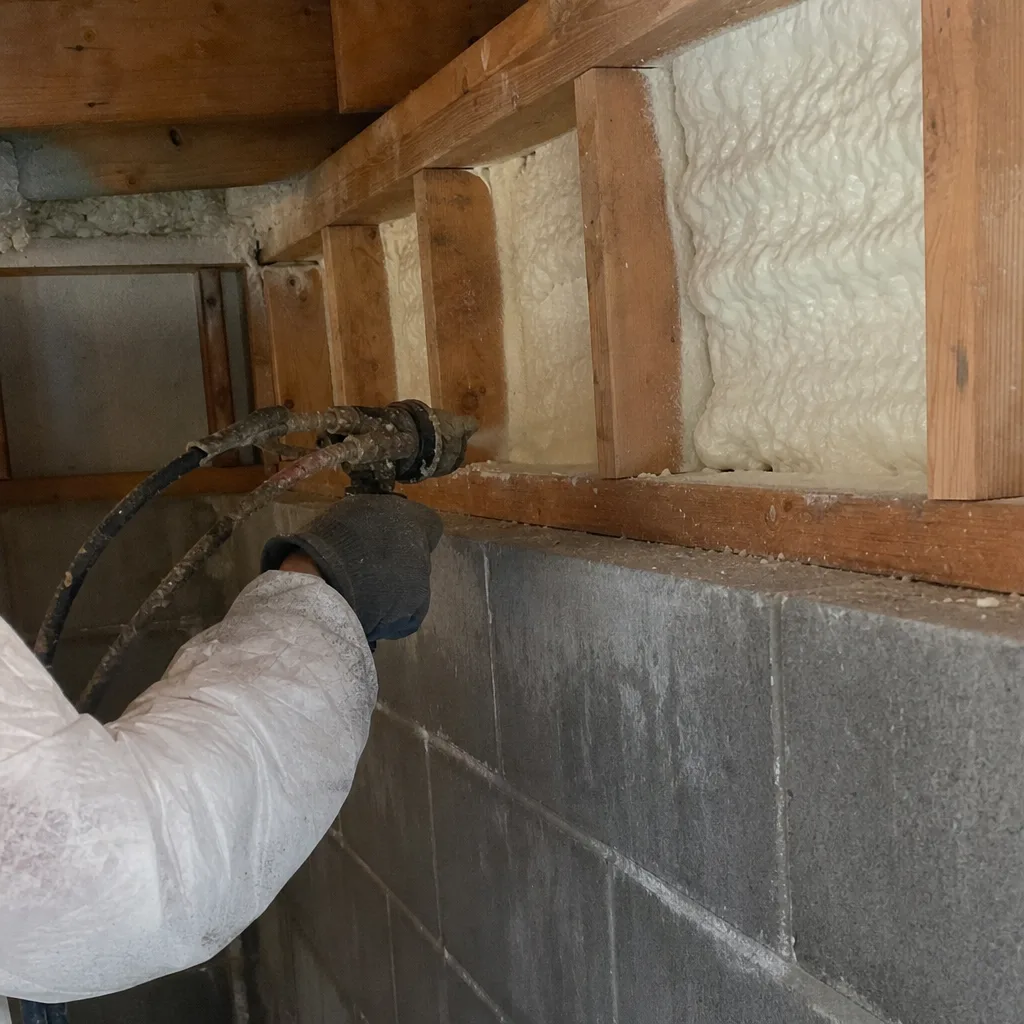
In Glendora’s flatlands south of Foothill Boulevard, a standard top-up usually works. In the VHFHSZ foothill tracts north of Foothill Boulevard, CAL FIRE and local fire-district rules require ignition-resistant assemblies and documented barrier details. We assess your zone before quoting. Call (562) 242-7569 for a written price that specifies which path applies to your address.
Santa Ana wind events pressurize attic cavities through ridge vents and gable vents, accelerating displacement of older loose-fill. Glendora’s position against the San Gabriel Mountains funnels these winds directly through local passes. We specify denser pack densities and improved vent baffling to counter this. The before-and-after blower-door numbers on your job documentation will show the difference.
Most 1960s Glendora ranches have uninsulated 2×4 walls. Blown-in attic work alone leaves walls as the dominant heat path during 100°F summer peaks and mid-30s winter nights. We typically recommend dense-packing walls at the same project to get full envelope performance. Your written scope will break out attic vs. wall pricing so you can decide.
Borate-treated cellulose or dense-pack fiberglass both handle Glendora’s thermal swing well. Cellulose has better air-sealing characteristics at blown-in densities. Fiberglass resists moisture better in occasional marine-layer conditions. For VHFHSZ foothill homes, borate-treated cellulose with proper ignition barrier is typically required. We match the material to your zone and your blower-door results, not a sales sheet.
Only if your property sits in a VHFHSZ zone and the work involves ignition-barrier-triggering materials like open-cell spray foam. Standard blown-in cellulose or fiberglass in flatland Glendora does not trigger fire-department review. We identify your zone in the initial written scope and note any inspection requirement upfront. No surprises after the fact. Call (562) 242-7569 to confirm your zone status.
Written by Wes Okafor, Owner at Topside Attic Insulation Pomona, serving Glendora since 2016 under The Haven Standard.