
Knauf Vapor Barrier Installation: The Pomona Owner’s Guide
Knauf vapor barrier installation in Pomona typically runs $1,800-$3,400 for a full crawl space or attic application, depending on square footage and whether the space needs prep work. We stock Knauf Insulation’s Faced Batt and Ecoseal-compatible vapor barrier materials on our trucks, and most Pomona jobs are completed in a single day. Homeowners usually discover a problem when they spot condensation dripping from ductwork in a Rancho Vista crawl space, or when a home inspector flags moisture readings above 20% on rim joists during a sale.
Which Knauf Models This Applies To
Knauf’s vapor barrier ecosystem breaks into two product families: the faced fiberglass batts with built-in kraft-paper vapor retarders, and the standalone polyethylene sheeting used in crawl space encapsulation. The faced batts carry model prefixes like EK (EcoBatt Kraft-faced) or JK (Jet Stream Ultra with kraft facing), while the standalone barriers are specified by mil thickness - 6-mil minimum for California Title 24 compliance, 10-mil or 12-mil for high-traffic crawl spaces in older Pomona neighborhoods like Mayfair or Lincoln Park.
Here’s how to identify what you have. Faced batts will show a printed label on the kraft paper facing with the Knauf logo, R-value, and facing permeance rating - look for 1.0 perm or lower for a true vapor barrier in Pomona’s mixed-humidity climate. Standalone polyethylene will have the mil thickness and ASTM E1745 Class A, B, or C rating printed in repeating text along the roll edge. Class C is minimum code; Class A is what we spec for homes near Ganesha Park where the clay soil holds moisture through May.
OEM Knauf materials versus aftermarket equivalents: Knauf does not manufacture its own polyethylene sheeting - they source through approved converters, so the “OEM” distinction matters less than the ASTM rating and mil thickness. For faced batts, we use Knauf EcoBatt with ECOSEAL Technology because the plant-based binder holds up better in Pomona’s summer attic temperatures than generic kraft-faced products we’ve pulled out after six years. We also stock Reflectix as an alternative radiant barrier where vapor drive is secondary to solar heat gain.
Topside Attic Insulation Pomona is an independent service provider, not affiliated with Knauf Insulation.
Signs Your Knauf Vapor Barrier Installation Is Failing
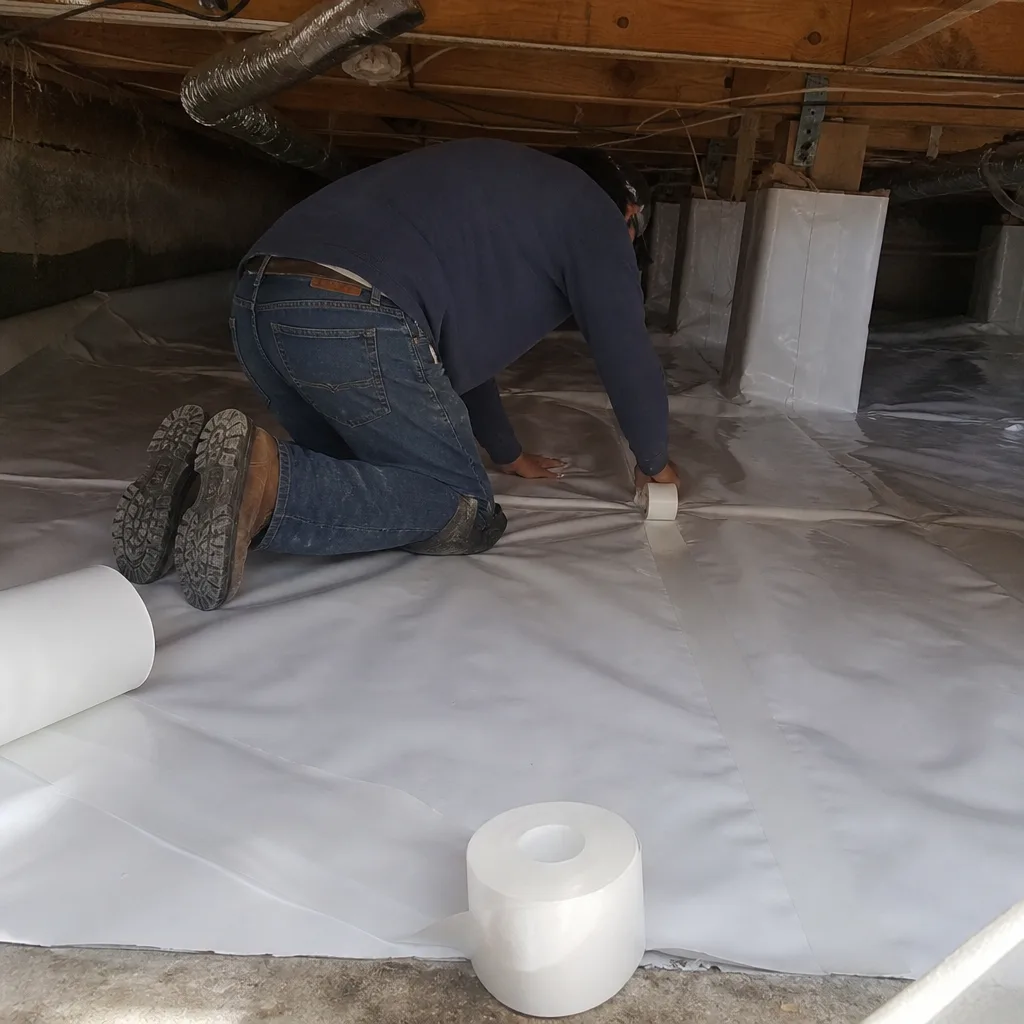
- Condensation on the barrier’s interior surface. This means the vapor barrier is trapping moisture rather than blocking vapor drive, usually because the facing was installed on the wrong side of the assembly. In Pomona, the warm side is almost always the interior in winter; getting this backwards is the most common error we find in 1960s ranch additions near Westmont.
- Sagging or detached facing on batt insulation. The kraft paper adhesive fails when attic temperatures exceed 150°F repeatedly, which happens in unvented Pomona attics by late July. Once the facing separates, it becomes a loose membrane that traps dust and loses its vapor-retarding function entirely.
- Musty odor rising from crawl space vents. A properly installed Knauf vapor barrier should block ground moisture from entering the crawl space air. If you’re smelling earthiness through floor registers, the polyethylene likely has punctures from prior service work, or the seams were never sealed with Knauf-recommended pressure-sensitive tape.
- Wood rot on rim joists or sill plates. This is advanced failure. The vapor barrier was either omitted entirely - common in Pomona homes built before 1978 - or the 6-mil sheeting degraded to pinholes after UV exposure through foundation vents. We replace with 10-mil minimum and seal vents per current best practice.
- Inconsistent indoor humidity despite HVAC running normally. When a vapor barrier fails in one zone of the house, that zone becomes a moisture source that the HVAC can’t counterbalance. We map this with a thermal camera; the wet band along the foundation line shows up clearly against dry center-floor readings.
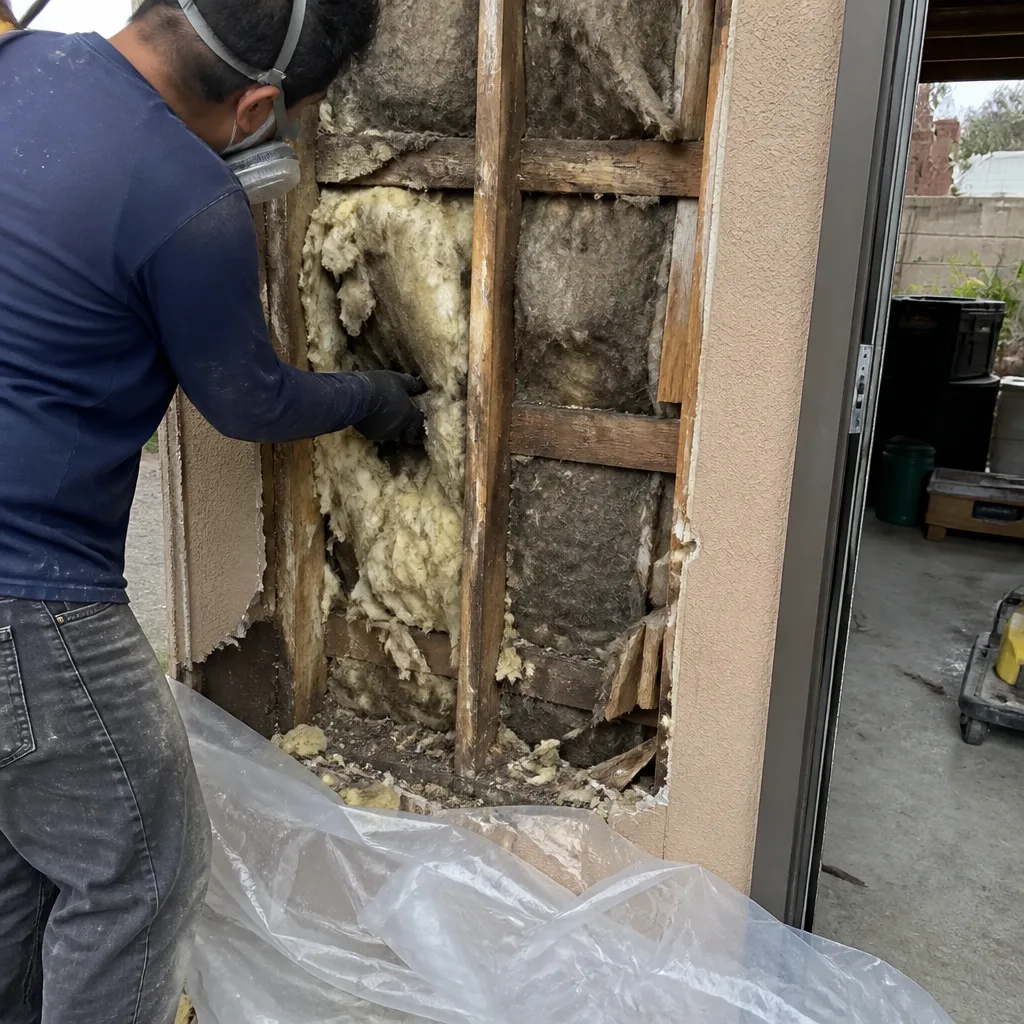 Before
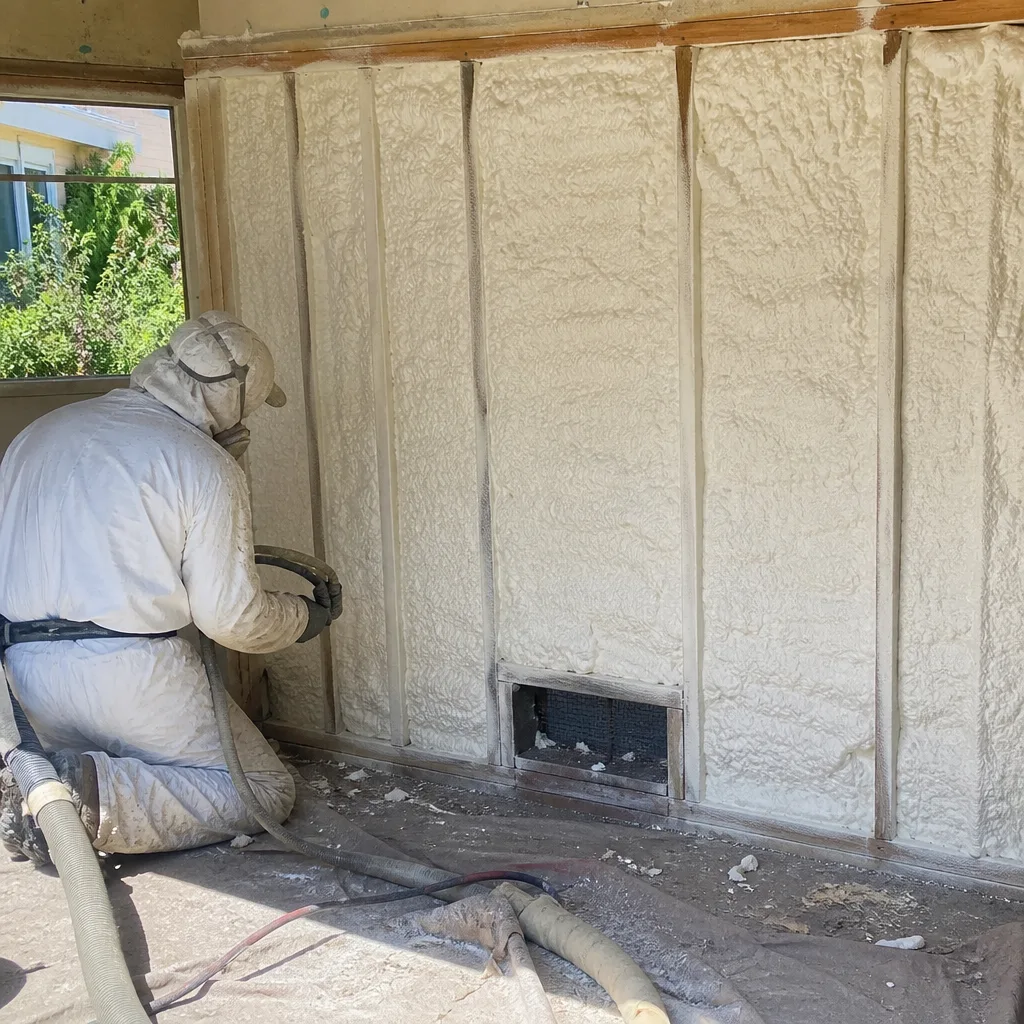 After
AfterReplacement Cost & What’s Included
| Scope | Price Range in Pomona | Typical Home Profile |
|---|---|---|
| Attic vapor barrier (faced batt replacement) | $1,800 - $2,600 | 1,200-1,800 sq ft, single-story |
| Crawl space encapsulation (6-mil poly) | $2,200 - $3,000 | 1,000-1,500 sq ft footprint |
| Crawl space encapsulation (10-mil reinforced) | $2,800 - $3,400 | Older home, high-traffic access, clay soil |
| Air sealing + vapor barrier (combined) | $3,500 - $4,800 | Full envelope treatment with blower-door verification |
What moves the number: accessibility (crawl spaces under 18 inches add labor), existing damage removal, and whether we need to install a sump pit or dehumidifier drain line. Every quote under Haven Standard Clause 1 is a flat price with written scope and written warranty before anyone lifts a tool. The 365-Day Done Right Promise covers material and labor defects. We don’t charge separately for the Documented Photo Record - it’s included on every job.
DIY or Call Us?
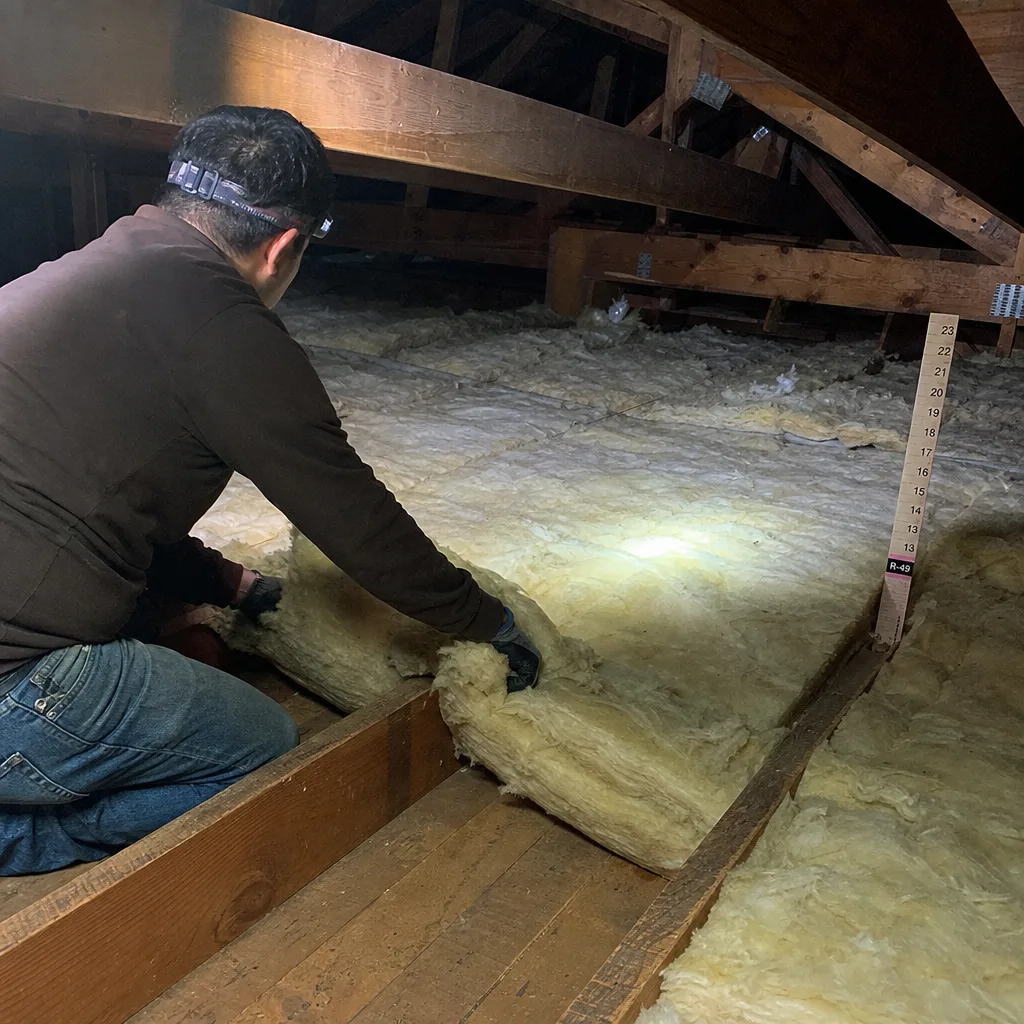
What you can safely check yourself: confirm which Knauf product is installed (photograph the label), measure the square footage, and look for obvious punctures or detached facing. A moisture meter reading above 18% on wood framing means the barrier has already failed - no guesswork needed.
Where DIY goes wrong: vapor barrier installation looks like unrolling plastic, but the performance lives in the details. Seams must overlap 12 inches and be sealed with compatible tape, not duct tape that turns to goo in attic heat. Faced batts must have the facing toward the conditioned side, which reverses between attic floor (winter) and crawl space ceiling (summer). And in Pomona’s older housing stock, we regularly find knob-and-tube wiring, asbestos-containing vermiculite, or active rodent harborage that makes a crawl space unsafe to enter without PPE and containment protocol.
We’re not going to tell you it’s rocket science. But we’ve also pulled out enough homeowner-installed 3-mil sheeting from Home Depot that shredded on screw heads to know: the material cost is the smallest part of what you’re paying for. Call (562) 242-7569 for a written price before any work starts.
FAQs
A properly installed Knauf vapor barrier should last 15-20 years in Pomona’s climate, though we’ve replaced 6-mil polyethylene after 8 years in homes near Ganesha Park where the clay soil and poor perimeter drainage accelerated degradation. Attic-facing products last longer if attic ventilation is adequate; unvented attics with reflective roofing can see kraft facing fail in 10 years. Call (562) 242-7569 for an exact quote - estimates are free.
Spot repairs work for isolated punctures in polyethylene sheeting, but only if the surrounding material is still supple and the seams can be re-taped with Knauf-compatible pressure-sensitive tape. Faced batts with detached or mold-stained kraft paper need full replacement - the facing is integral to the product and cannot be re-adhered. We assess this on every job and document the recommendation with photos. Call (562) 242-7569 for an exact quote - estimates are free.
Most Pomona crawl space encapsulations are completed in one day; attic faced-batt replacement runs 4-6 hours for a typical 1,500-square-foot home. Jobs requiring existing material removal, mold remediation, or air sealing of top plates and can lights add a second day. We publish the schedule in your written scope before work starts. Call (562) 242-7569 for an exact quote - estimates are free.
We stock Knauf EcoBatt faced batts in R-19, R-30, and R-38, plus 6-mil and 10-mil polyethylene sheeting on every truck. Specialty thicknesses or Knauf’s formaldehyde-free Ecoseal system for sensitive occupants can be sourced within 48 hours through our Pomona warehouse. Same-day installation is available for stocked materials. Call (562) 242-7569 for an exact quote - estimates are free.
Seal the leaks first. The insulation is just the last layer of the answer. We’ve spent the better part of two decades installing and auditing insulation across the Pomona Valley, and Wes Okafor still runs a blower-door test before any material goes in - so the final R-value on paper matches what the house actually performs. If you’re seeing moisture, smelling must, or just want a second opinion on another contractor’s quote, call (562) 242-7569. A live person answers 24/7. You’ll get a written price before any work starts, a Documented Photo Record when the crew leaves, and before-and-after blower-door numbers on every applicable job.
Written by Wes Okafor, Owner, Topside Attic Insulation Pomona at Topside Attic Insulation Pomona, serving Pomona and nearby areas.