
Knauf Radiant Barrier Installation: The Pomona Owner’s Guide
Knauf radiant barrier installation in Pomona typically runs between $1,800 and $3,400 for a standard 1,200-2,000 square foot attic, including material, labor, and the air-sealing prep that must happen first. We stock Knauf EcoSeal and Insulation Shield radiant barrier products on our trucks, and most Pomona jobs are completed same-day once the attic is sealed and ready. Most homeowners discover their radiant barrier is failing when summer cooling bills spike 20-40% above prior years, or when they notice the existing foil has gone dull, torn, or been displaced by rodent activity in the attic.
Which Knauf Models This Applies To
Knauf manufactures radiant barrier products under two main lines relevant to Pomona homes: the EcoSeal line, which pairs a perforated radiant barrier foil with Knauf’s air-sealing tape system, and the Insulation Shield line, a heavier-duty perforated aluminum foil designed for lay-over installation above existing fiberglass or blown-in insulation. The product label is usually printed along the foil edge or on the cardboard core, showing a Knauf part number beginning with “RB-” for radiant barrier rolls or “ES-” for EcoSeal kits.
To identify what you have, measure the roll width: EcoSeal comes in 48-inch and 60-inch widths, while Insulation Shield is typically 48-inch only. The critical compatibility gotcha in Pomona’s 1950s-1970s housing stock is truss spacing. Many Ganesha Park and Lincoln Park attics were framed with 24-inch on-center trusses, but some Lincoln Park ranch additions used 19.2-inch spacing. EcoSeal 60-inch can be cut to either; Insulation Shield 48-inch leaves gaps at 24-inch centers unless overlapped per Knauf’s spec. We do not stock 60-inch Insulation Shield because Knauf does not manufacture it, and substituting a non-perforated generic foil in Pomona’s climate traps moisture, voiding the warranty and rotting roof decks within three to five years.
OEM Knauf foil carries a 10-year product warranty when installed to their published spec. We use OEM Knauf material, not aftermarket equivalents, because the perforation pattern, 0.002-inch aluminum thickness, and emissivity rating of 0.03 are matched to California Title 24 compliance documentation. Topside Attic Insulation Pomona is an independent service provider, not affiliated with Knauf.
Signs Your Knauf Radiant Barrier Installation Is Failing
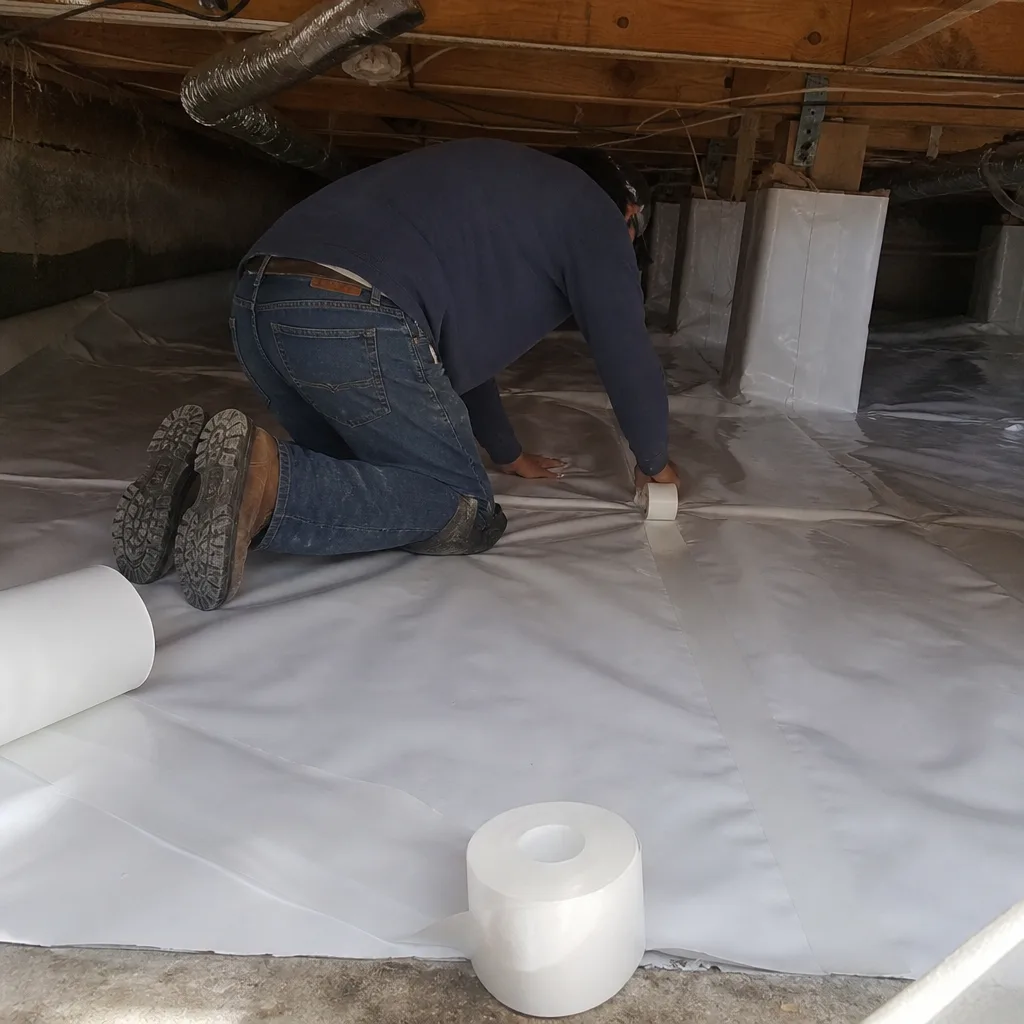
- Surface has dulled from reflective to matte gray or brown. Aluminum oxidizes slowly in attic air, but Pomona’s summer attic temperatures regularly hit 140-160°F, accelerating oxidation. Once emissivity rises above 0.10, the foil reflects less than 70% of radiant heat, and your AC runtime climbs accordingly.
- Tears, punctures, or sections hanging loose from fasteners. This usually traces to original installation with inadequate staples or the wrong fastener type. Knauf specifies minimum 3/8-inch crown staples at 6-inch intervals; many Pomona attics we inspect used 1/4-inch office-style staples that pull through within five years.
- Evidence of rodent nesting or trails on top of the foil. Raccoons and roof rats in the Pomona Valley shred foil for nesting material. Unlike fiberglass, radiant barrier offers no compression resistance, so damage concentrates where animals travel. We see this most in homes backing onto the washes near Ganesha Hills.
- Hot spots on the ceiling directly below attic duct runs or top plates. A functioning radiant barrier drops surface temperatures 20-30°F. If your ceiling feels warm to the touch in August afternoons, the barrier is either missing in that bay or has lost reflectivity.
- Condensation staining on the foil underside or roof sheathing. This means you have a non-perforated foil or the perforations are clogged with dust. Knauf’s perforated products allow 5-10 perms of vapor transmission; blocked perforations trap moisture from bathroom and kitchen vents that terminate in the attic, a code violation we find in roughly one-third of Pomona homes built before 1990.
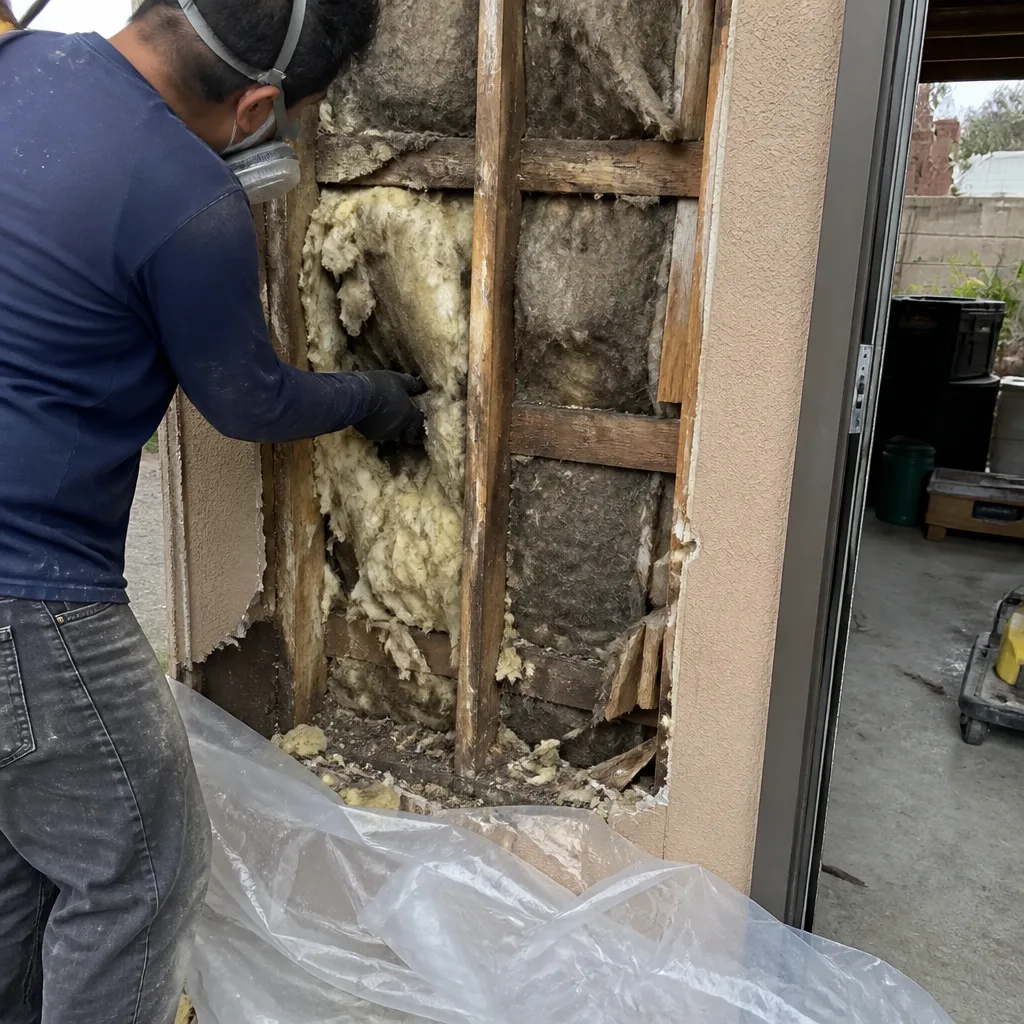 Before
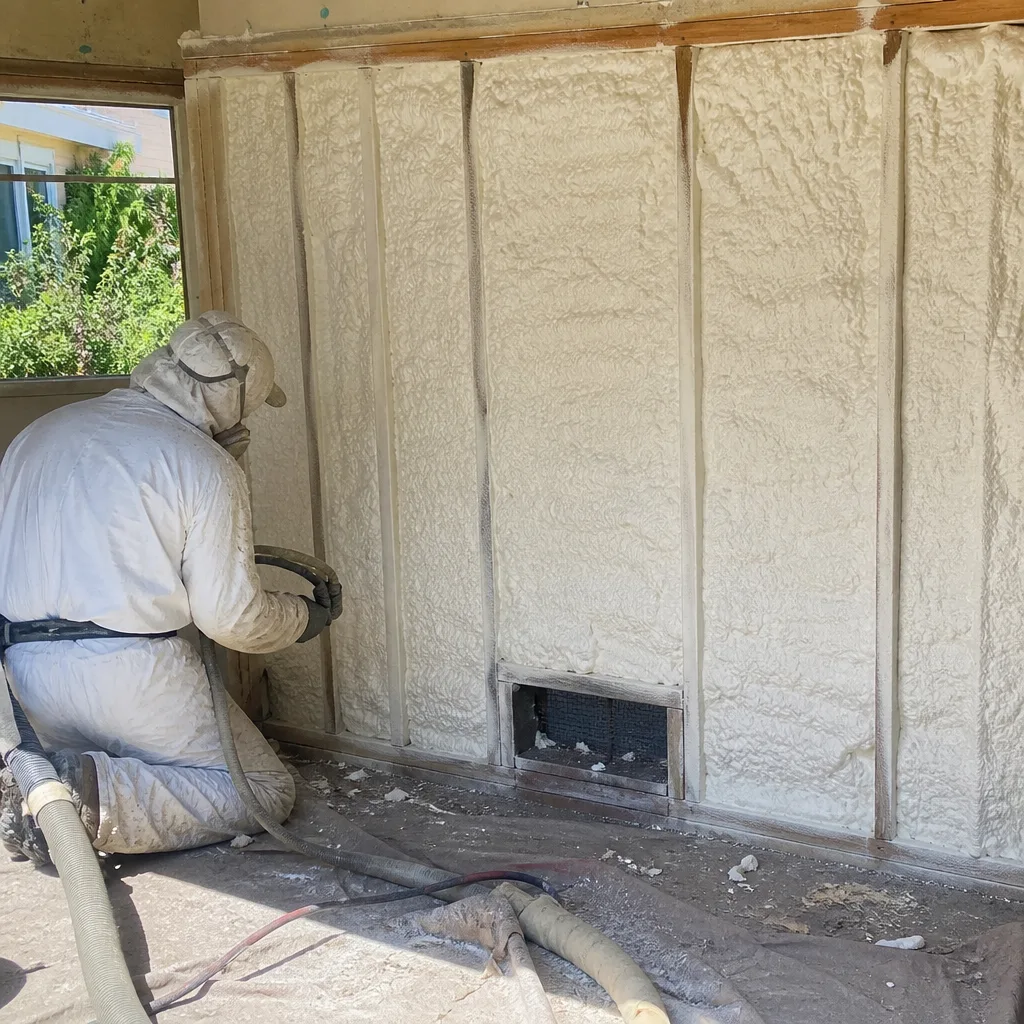 After
AfterReplacement Cost & What’s Included
| Component | Price Range |
|---|---|
| Attic air sealing (prerequisite) | $800 - $1,400 |
| Knauf radiant barrier material | $0.45 - $0.65 per sq ft installed |
| Labor for installation | $600 - $1,200 |
| Blower-door test (before/after) | Included |
| Documented Photo Record | Included |
| Typical total, 1,500 sq ft attic | $2,200 - $3,000 |
The range depends on three factors: attic square footage, accessibility (steep pitches and tight scuttles add labor), and the condition of existing air sealing. We will not quote radiant barrier alone. Seal the leaks first. The insulation is just the last layer of the answer. Under Haven Standard Clause 1, you get a written price before any work starts, a written scope, and a written warranty. The 365-Day Done Right Promise covers all completed work. Every job closes with a Documented Photo Record and, on applicable jobs, before-and-after blower-door readings so you can verify the air-sealing result in one number.
DIY or Call Us?
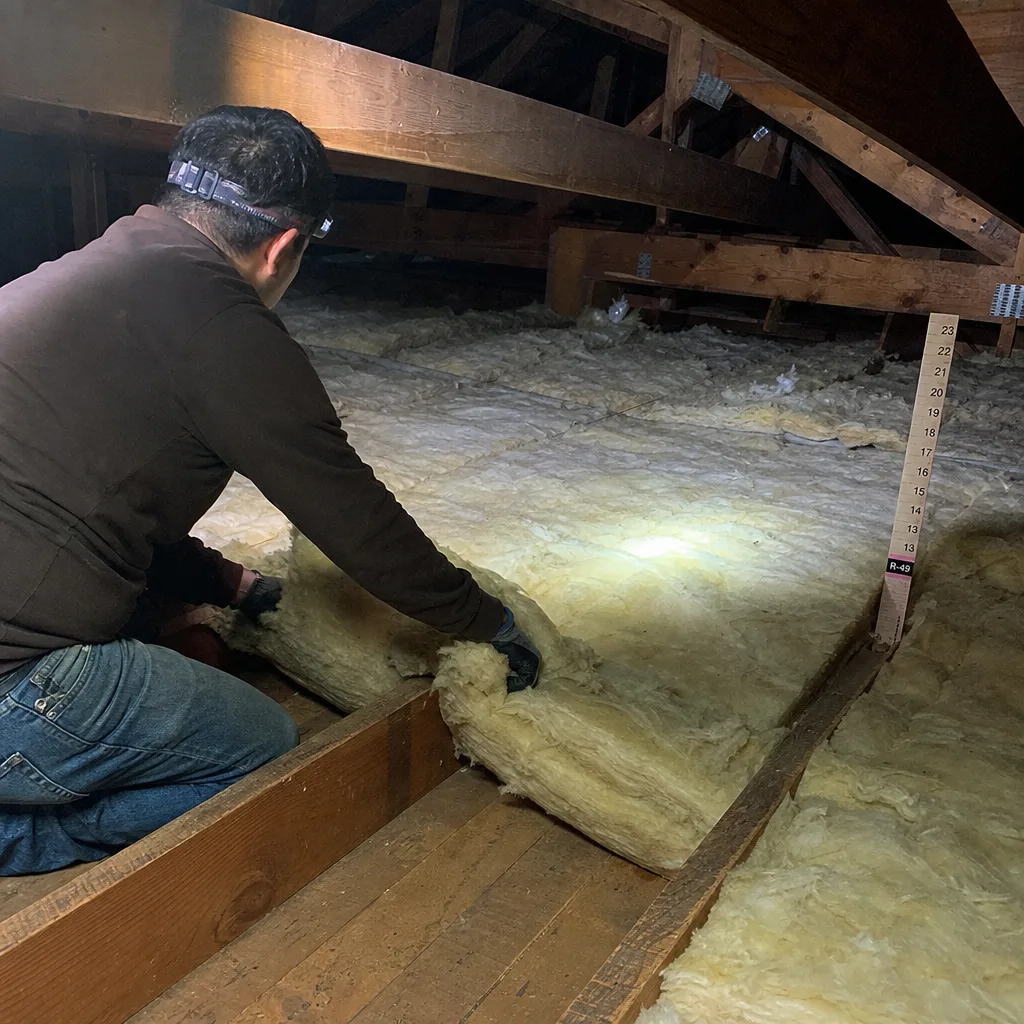
What you can safely check yourself: confirm your foil is perforated by holding it to light, look for the Knauf label on any remaining roll ends, and photograph any damage for reference. Do not enter the attic in summer without hydration and a spotter; heat exhaustion in a Pomona attic is a real risk.
Where DIY goes wrong: radiant barrier installation requires working across the full attic floor, often on joist edges, while handling 4-5 foot wide rolls that catch every wind current from the attic vent. More critically, installing new foil over unsealed top plates, can lights, and duct boots is standard practice among low-bid contractors, and it is wrong. Conditioned air bypasses straight through the foil, which has no R-value of its own. Wes Okafor logged more bypasses in Pomona Valley ranch homes near Ganesha Park than he could count in a season, and every one needed sealing before the radiant barrier went in. We also stock Knauf-compatible radiant barrier on our trucks, so you’re not waiting on a supplier run. Call (562) 242-7569 for a free estimate.
FAQs
In Pomona’s inland heat, properly installed Knauf perforated radiant barrier maintains effective reflectivity for 15-20 years, though dust accumulation on the upward-facing surface begins reducing performance after 10 years. Attics near the 71 freeway or in the Ganesha Hills area with heavier particulate exposure may see faster dulling. We include foil condition in our Documented Photo Record so you have a baseline. Call (562) 242-7569 for an exact quote, estimates are free.
Small tears in accessible areas can be patched with Knauf-compatible foil tape, but partial repairs rarely match the original emissivity and almost never address the underlying air leaks that caused the damage. We recommend replacement when more than 15% of the surface is compromised or when the original installation skipped air sealing. Call (562) 242-7569 for an exact quote, estimates are free.
Most Pomona residential jobs are completed in one day, assuming the attic has been air-sealed in a prior visit or earlier the same morning. A typical 1,500 square foot attic with good access takes 4-6 hours after sealing. We do not rush the blower-door test, which runs before and after to document the actual performance change. Call (562) 242-7569 to schedule.
We stock Knauf EcoSeal and Insulation Shield products on our trucks, along with Reflectix for customers who need a different specification. Same-day installation is available for most Pomona addresses when you call before noon. Call (562) 242-7569 to confirm stock for your specific model and square footage.
Ready to get your attic performing the way it should? Call (562) 242-7569 for a free estimate. We’ll run a blower-door test, show you the numbers, and give you a written price before any work starts. That’s Haven Standard Clause 1, and it’s how we’ve handled 9,000+ homes since 2016.
Written by Wes Okafor, Owner, Topside Attic Insulation Pomona at Topside Attic Insulation Pomona, serving Pomona and nearby areas.