
Insulation Before & After in Pomona, CA
We’ve insulated more than 9,000 homes since 2016, and every job closes with a Documented Photo Record. The images below show what actually changes when you seal first, then insulate. No renderings. No stock photos. Just attic floors, crawl spaces, and wall cavities in Pomona homes, photographed before we started and after we finished.
Recent Transformations
Attic Insulation Removal & Replacement - Compacted Fiberglass in Phillips Ranch

The homeowner called because their upstairs bedrooms ran ten degrees hotter than the thermostat setting every July afternoon. We found 1980s fiberglass batts in the attic, compressed by three decades of storage traffic and rodent nesting to roughly half their labeled R-value. The top plates and can-light housings were completely unsealed. Under Haven Standard Clause 1, we wrote a flat price for removal, sanitation, air sealing of all top plates and electrical penetrations, and new R-38 blown-in cellulose. The blower-door test read 3,800 CFM50 before sealing and 2,100 after. The photo record shows the attic floor at 10:15 a.m. and again at 4:30 p.m. the same day, fully insulated and documented.
Crawl Space Encapsulation & Vapor Barrier - Standing Water Near Ganesha Hills

This 1954 ranch near Ganesha Hills had a crawl space that smelled like mildew in winter and grew efflorescence on the foundation walls every spring. The dirt floor held standing water after any significant rain, and the fiberglass batts between joists were sagging, blackened, and useless. We don’t blow insulation over conditions like that. Our scope included full removal of degraded material, grading the dirt floor, installing a 20-mil reinforced vapor barrier with sealed seams and wall extensions, closed-cell spray foam on the rim joists, and a dedicated dehumidifier with gravity drain. Relative humidity dropped from 78% to 52% within 72 hours. The photo record includes shots of each wall section, the sealed liner edges, and the dehumidifier installation.
Spray Foam Insulation - Open-Cell on Knee Walls in Lincoln Park

A Lincoln Park homeowner had finished their attic in the early 2000s but left the knee walls uninsulated, with drywall stopping short of the sloped roofline. In summer, the finished space was uninhabitable. In winter, the south-facing wall developed condensation streaks. We removed the drywall access panels, air-sealed the floor joist bays where they met the conditioned space below, and sprayed open-cell foam to R-21 on the knee walls and sloped ceiling, with a code-required ignition barrier applied over the foam. The blower-door reading improved from 4,400 CFM50 to 2,600. The photo record shows each bay before foam, after foam, and after ignition barrier.
Attic Air Sealing & Blown-In Over Retrofit - Unsealed Top Plates in Downtown Pomona

Downtown Pomona has a stock of 1920s and 1930s homes with interesting rooflines and miserable thermal envelopes. This Craftsman still had active knob-and-tube wiring in the attic, which an electrician had recently removed and replaced. The attic floor was essentially unsealed: gaps at every top plate, plumbing vent stack, and chimney chase large enough to drop a pencil through. We don’t add insulation to that. We sealed every penetration with fire-rated caulk and foam, installed baffles at the eaves for ventilation, then dense-packed cellulose to R-49. The blower-door test showed 5,200 CFM50 pre-work and 2,800 after. The photo record includes the unsealed top plates, the sealing in progress, and the finished, even cellulose surface.
Radiant Barrier Installation - Tile Roof in Westmont

Westmont sits on a slight rise with minimal tree cover, and this home’s clay tile roof absorbed afternoon sun like a cast-iron skillet. Attic temperatures hit 140°F regularly, cooking the existing R-19 fiberglass and forcing the AC to run continuously from 2 p.m. to 8 p.m. We installed a perforated radiant barrier, stapled to the underside of the rafters with proper drape for ventilation channels, which blocks roughly 95% of radiant heat transfer from the roof deck. Combined with additional blown-in cellulose on the floor, the homeowner’s peak afternoon attic temperature dropped to 108°F. The photo record shows the bare rafters, the barrier installation in progress, and the finished installation with proper drape and ventilation gaps.
Insulation Removal & Rodent Proofing - Contaminated Attic in Mayfair

The Mayfair homeowner heard scratching in the ceiling for three weeks before calling. We found significant rodent contamination in blown-in fiberglass, with active burrows, droppings concentrated near the furnace flue, and entry gaps at three eave returns and one roof-wall junction that a squirrel had enlarged to the size of a tennis ball. We removed all contaminated material, HEPA-vacuumed and sanitized the attic floor, installed steel mesh and copper wool at all entry points, sealed the gaps with permanent materials, and re-insulated with fresh cellulose to R-38. The photo record includes the contaminated areas, the entry points before and after proofing, and the finished, clean attic. The 365-Day Done Right Promise covers the rodent-proofing workmanship.
What Every Photo Record Includes
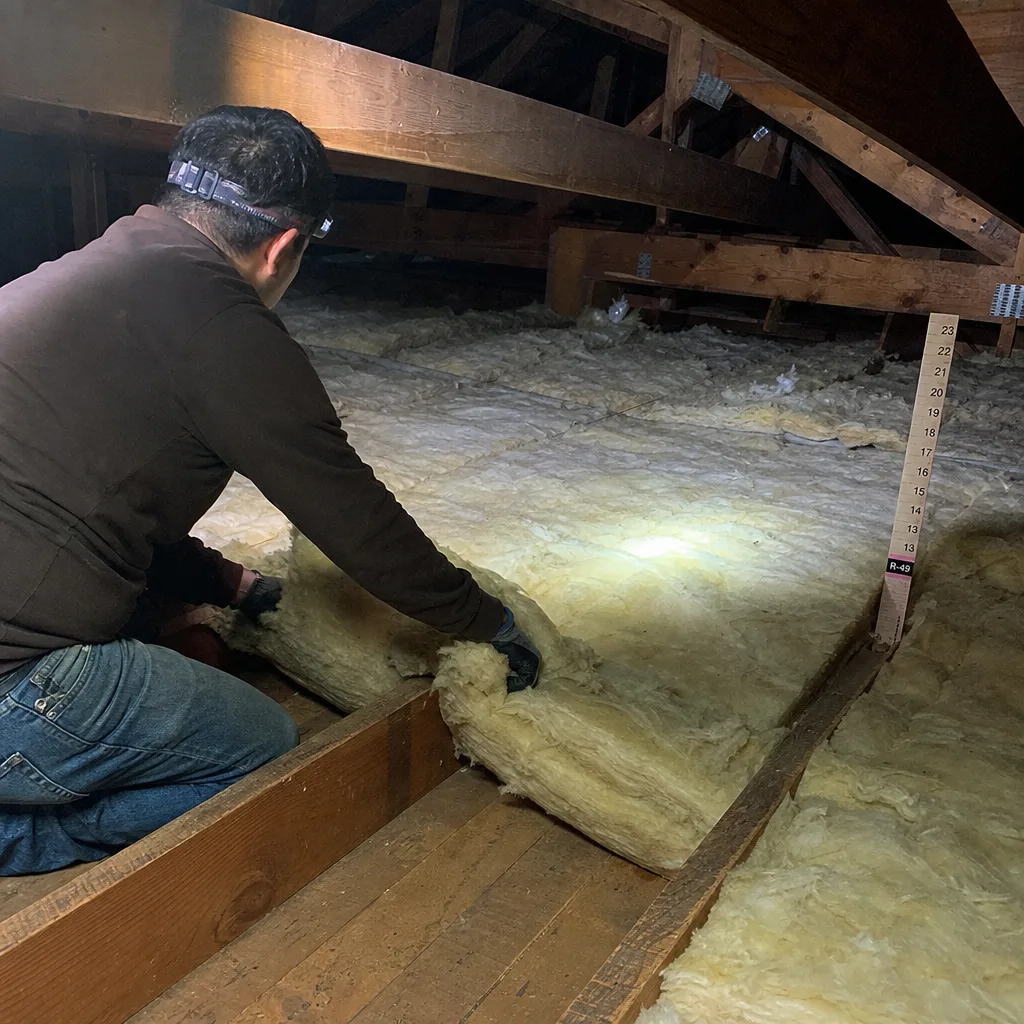
On every job, you receive:
- A written scope and flat price before any work starts, per Haven Standard Clause 1
- Before-and-after photos of the work area, dated and geotagged
- Where applicable, blower-door test results - the pressurization reading that shows, in one number, how much conditioned air your home was losing before and after
- A written warranty and the 365-Day Done Right Promise
We don’t have a “before and after” without the documentation to back it up. That’s the Haven Standard.
What happens when you call
- 1
A real person answersNo phone trees - you reach a local pro.
- 2
You get an upfront price rangeHonest numbers before anyone is dispatched.
- 3
A background-checked tech heads outLicensed & insured, dispatched right away.
- 4
You approve before work beginsNothing starts until you say go.
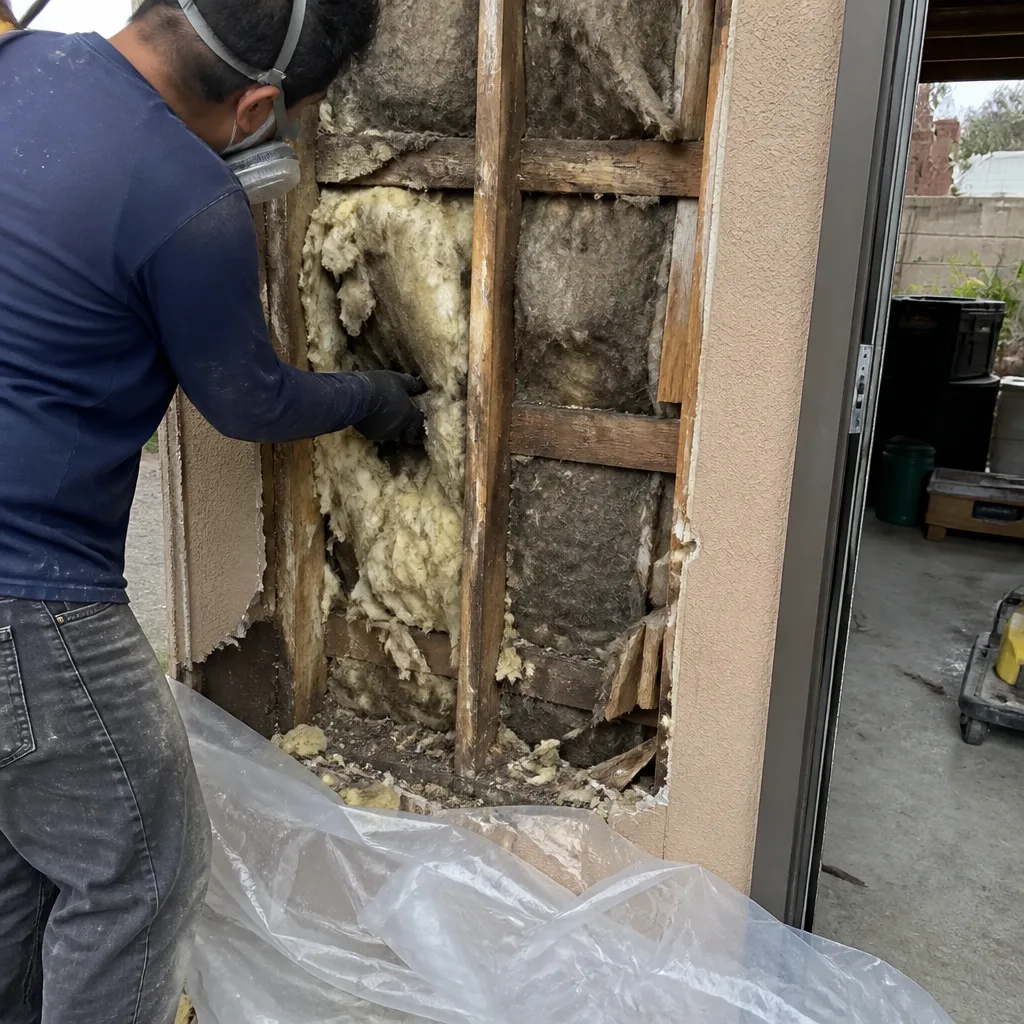 Before
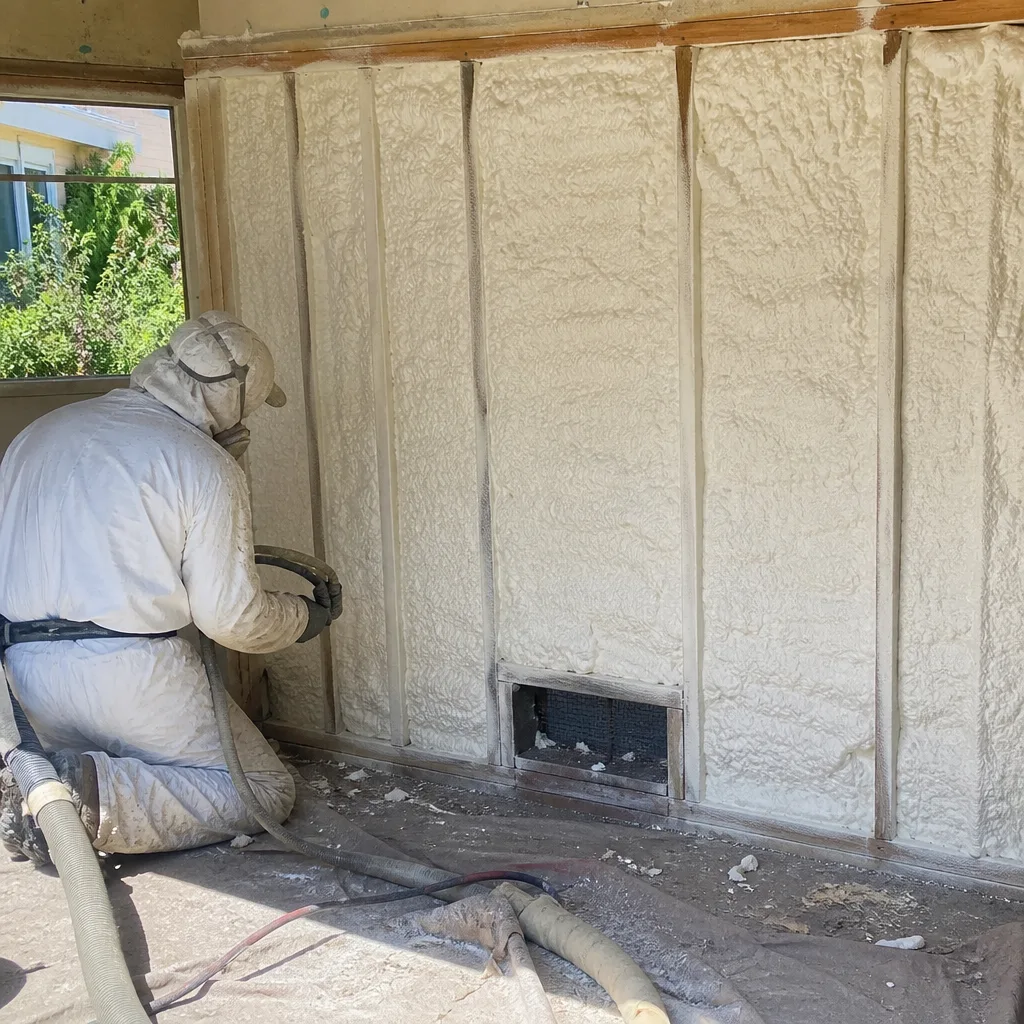 After
AfterWant Results Like These?
Call (562) 242-7569 anytime. A live person answers 24/7. We’ll schedule a free assessment, give you a written price before any work starts, and if you already have a competing quote, we’ll read it with you line by line - our Free Second Opinion. Most attic insulation jobs in Pomona homes this size run between $2,400 and $4,800 depending on square footage, existing material condition, and whether air sealing is needed. Exact numbers come after we see your attic.
Written by Wes Okafor, Owner at Topside Attic Insulation Pomona, serving Pomona since 2016.