
Icynene Radiant Barrier Installation: The Pomona Owner’s Guide
Most Icynene radiant barrier installations in Pomona run between $1,800 and $3,400 for a typical 1,200-2,000 square foot attic, and we stock the compatible rolls and fastening systems for same-day starts on most jobs. Homeowners usually figure out something’s wrong when their upstairs bedrooms won’t cool below 78°F even with the AC running flat out, or when their summer electric bill jumps $80-$140 from the same month the year before. In Pomona’s inland heat, a failed radiant barrier isn’t subtle - the attic turns into a convection oven by 2 PM, and the insulation underneath stops mattering because the radiant surface above it has torn, oxidized, or detached at the ridge line.
Which Icynene Models This Applies To
Icynene doesn’t manufacture standalone radiant barrier products; they produce open-cell and closed-cell spray foam systems that are often paired with third-party radiant barriers in hybrid attic assemblies. What we’re installing are Icynene-compatible radiant barriers - typically perforated aluminum-faced products like Reflectix or equivalent ASTM C1313-compliant rolls - designed to work with Icynene’s recommended assembly details without creating a double vapor barrier.
The critical match is between your existing Icynene foam type and the barrier’s permeability rating. Closed-cell Icynene (like Icynene MD-C-200) is already a vapor barrier at 1.5 inches or greater; pair it with a perforated radiant barrier, or you’ll trap moisture in the assembly. Open-cell Icynene (like Icynene LD-C-50) is vapor-permeable, so either perforated or solid-faced barrier works if the attic ventilation math checks out. Check your original install paperwork for the Icynene product code, or look for the yellow-and-black Icynene label on the foam surface - it’ll read “MD” for closed-cell or “LD” for open-cell. We carry both barrier types on our Pomona trucks, and we’ll confirm the pairing before we unload a roll.
OEM-spec radiant barriers from Icynene’s approved supplier list cost roughly 15-20% more than equivalent aftermarket products that meet the same ASTM standards. We source both; the decision usually comes down to whether your original install was part of a new-home energy package with specific warranty terms that require brand-matched components.
Signs Your Icynene Radiant Barrier Installation Is Failing
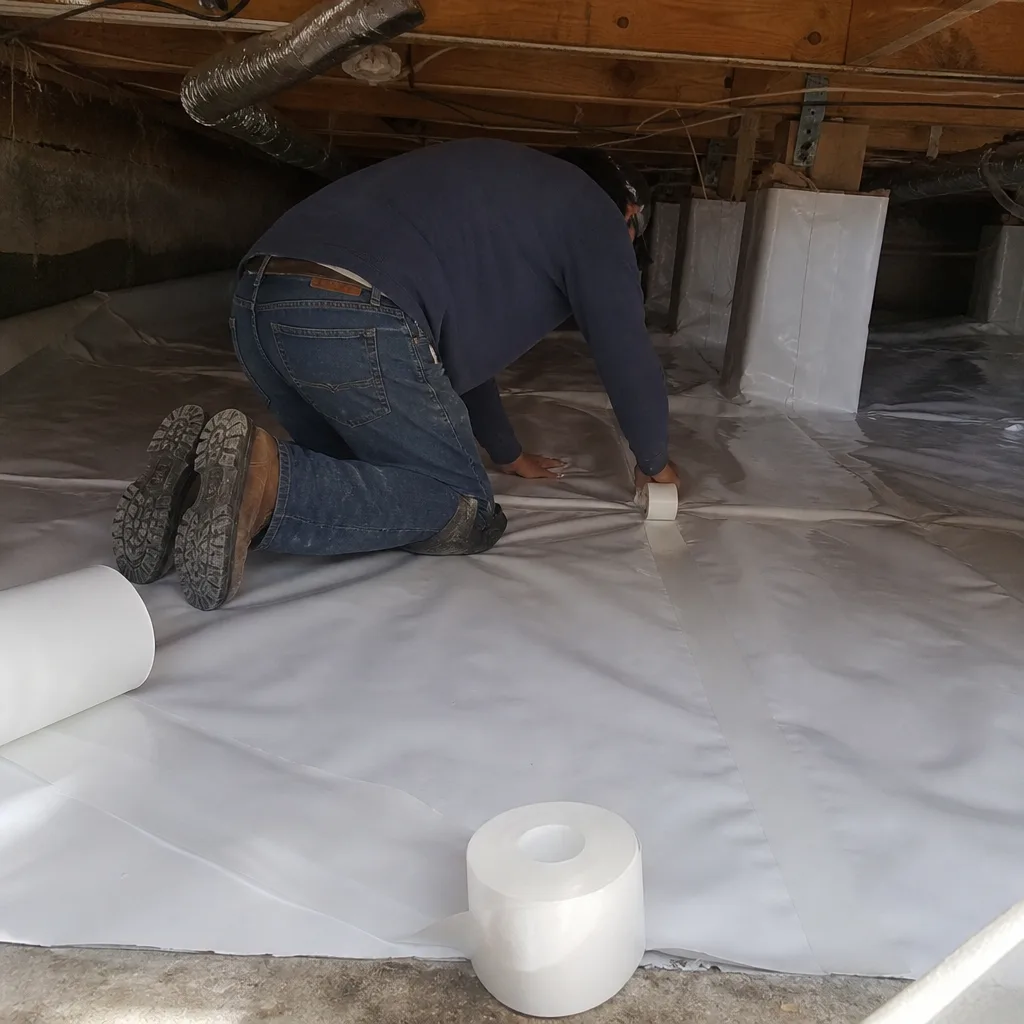
- Attic temperature spikes 30-40°F above ambient by mid-afternoon. A functioning radiant barrier should keep attic sheathing within 10-15°F of outside air temperature. When the aluminum facing oxidizes or the substrate delaminates, the reflective surface turns dull and absorptive - we’ve measured 165°F on failed barriers in Pomona’s July heat.
- Tears or sagging along the ridge line, especially near gable vents. Pomona’s Santa Ana wind events pull at poorly fastened barriers; the staples or cap nails work loose, and the sheet flaps until it fatigues. Once there’s a 6-inch tear, convection currents short-circuit the whole assembly.
- Discolored or brittle foam where the barrier contacts the Icynene surface. This indicates a chemical incompatibility or, more commonly, that an unperforated barrier was installed over closed-cell foam and moisture accumulated at the interface. The foam turns chalky and loses adhesion.
- Hot ceiling patches directly below missing or displaced barrier sections. We find this most often above hallway junctions in 1960s-1980s Pomona ranch homes near Ganesha Park, where the original installer skipped the top plate air sealing and the barrier eventually pulled away from the compromised substrate.
- AC runtime increases 25% or more year-over-year with no equipment change. Your condenser isn’t broken; the thermal boundary is. We verify this with a blower-door test - a pressurization reading that shows, in one number, how much conditioned air your building envelope is losing - before we quote any radiant barrier work.
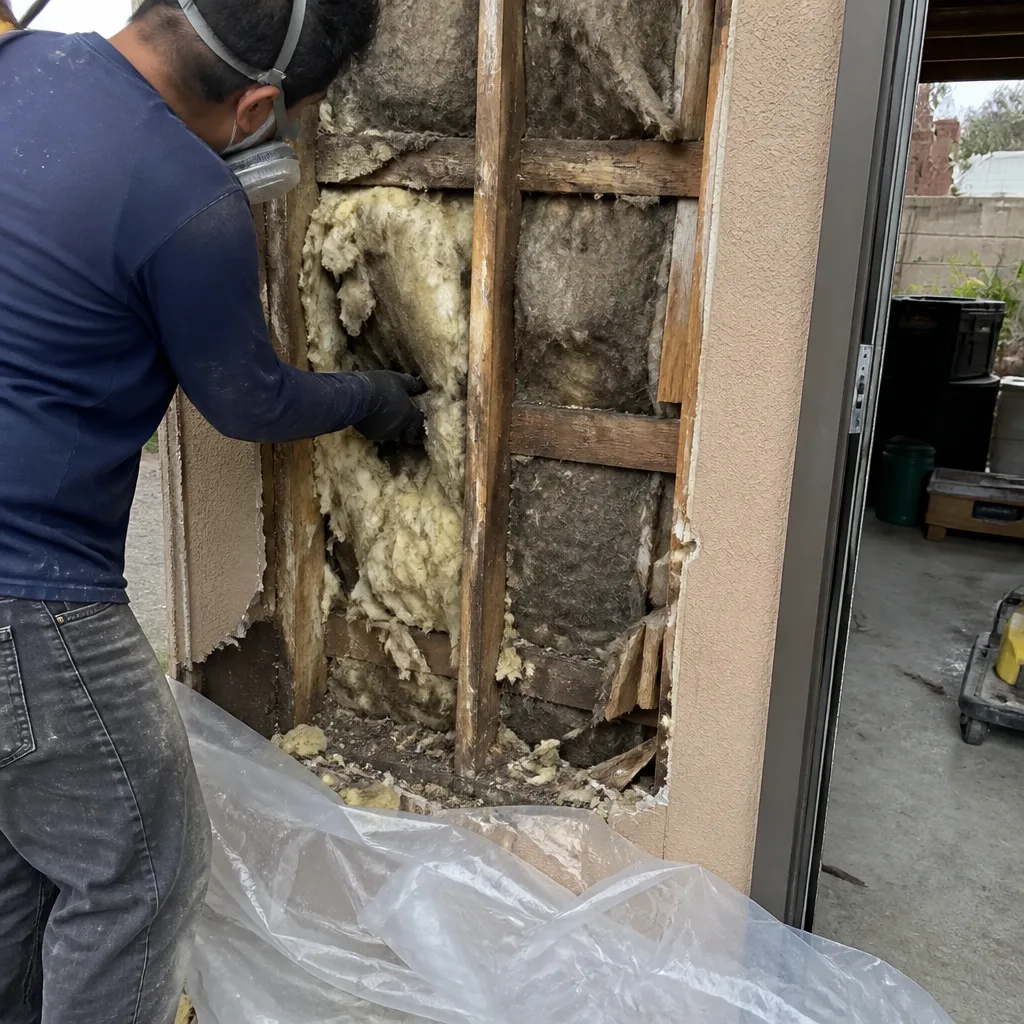 Before
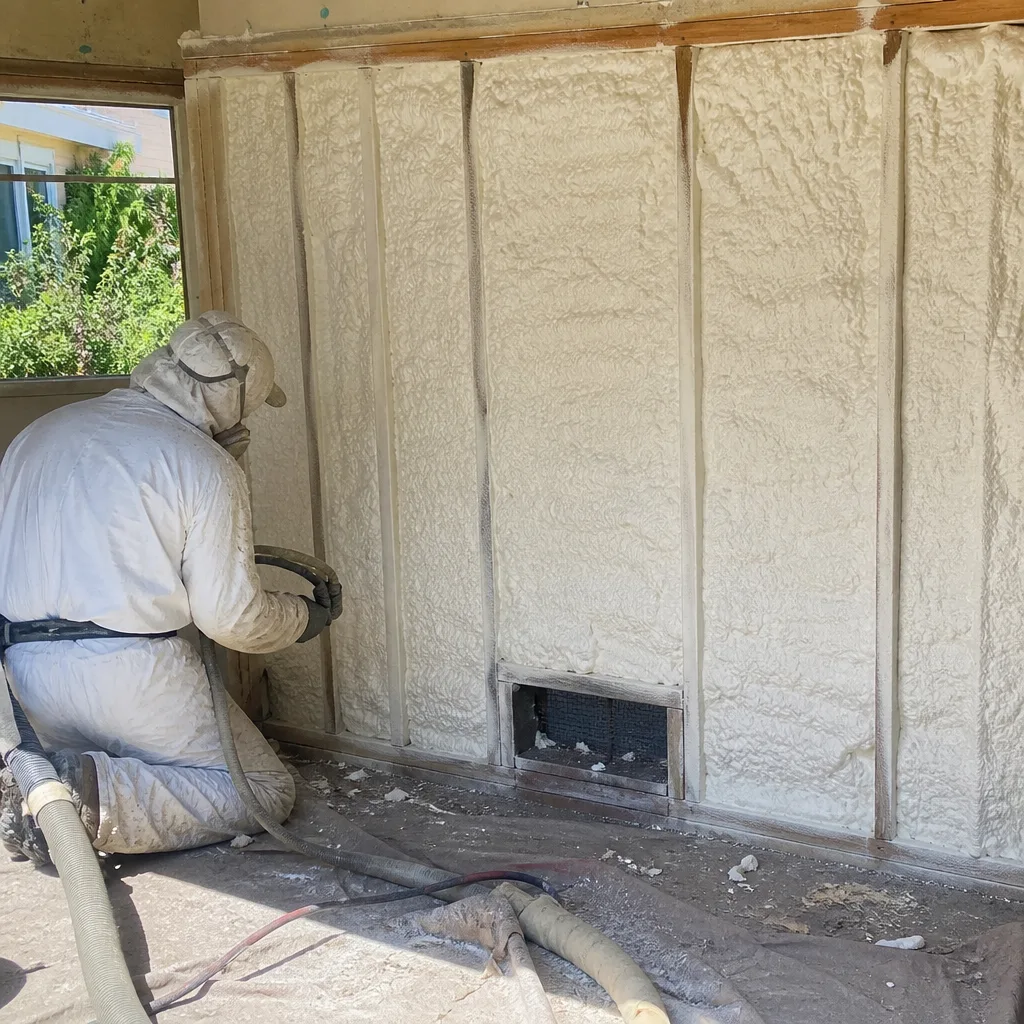 After
AfterReplacement Cost & What’s Included
| Scope | Price Range (Pomona) |
|---|---|
| Radiant barrier replacement, 1,200-1,800 sq ft attic, perforated aluminum | $1,800-$2,600 |
| Radiant barrier replacement, 1,800-2,500 sq ft attic, perforated aluminum | $2,400-$3,400 |
| Add attic air sealing (top plates, can lights, penetrations) - required before barrier install per our protocol | $400-$800 |
| Aftermarket barrier material | $0.45-$0.65/sq ft |
| OEM-spec barrier material (Icynene-approved supplier) | $0.55-$0.80/sq ft |
What drives the range: attic square footage, accessibility (truss spacing, existing ductwork in the way), whether we need to remove degraded barrier first, and whether the Icynene foam underneath needs spot repair before the new barrier goes up. Every job starts with a written price - flat, with line-item parts and labor - before anyone lifts a tool. That’s Haven Standard Clause 1. The work carries our 365-Day Done Right Promise, and you get a Documented Photo Record plus before-and-after blower-door numbers so you can verify the air-sealing result.
DIY or Call Us?
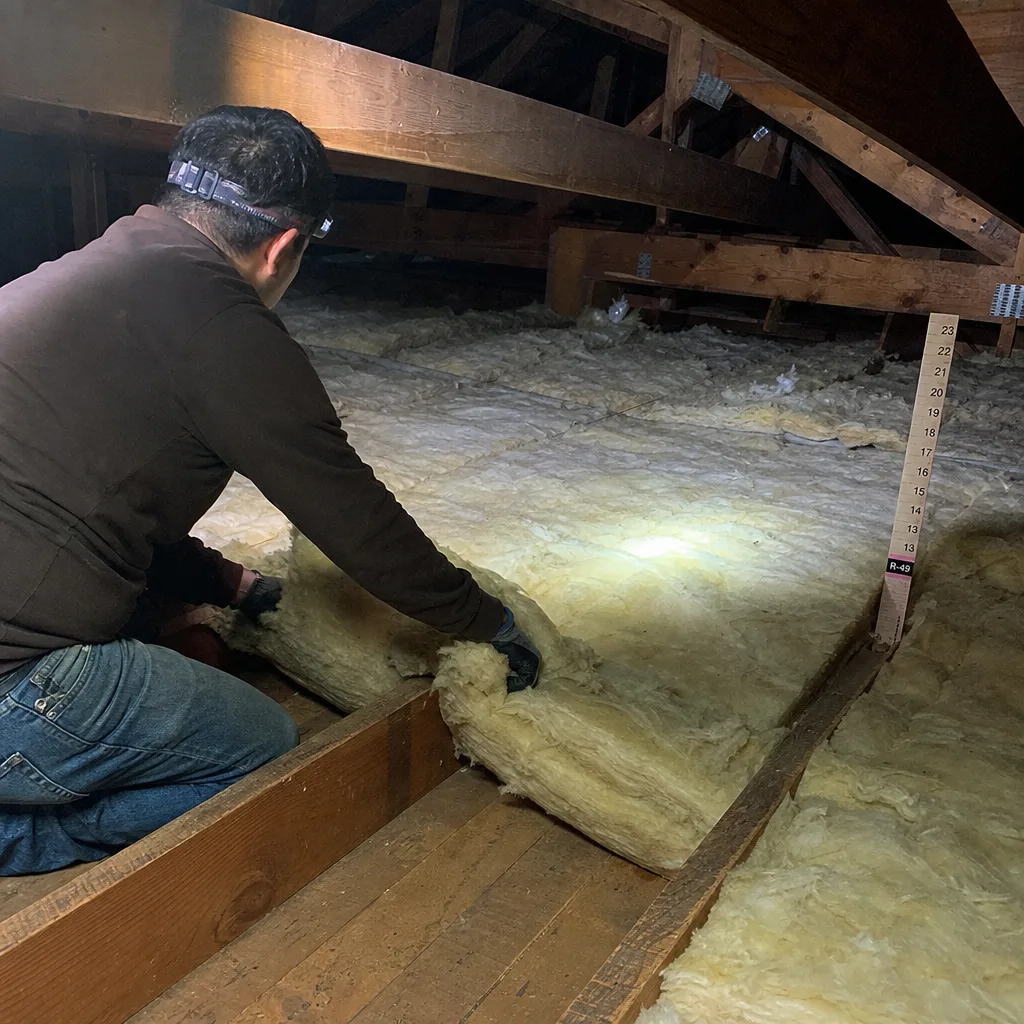
There’s nothing inherently dangerous about radiant barrier material itself - it’s lightweight, non-toxic, and doesn’t require respiratory protection beyond basic dust masks. Where DIY goes wrong in Pomona attics is the environment, not the product. Summer attic temperatures hit 140°F by 10 AM. Steep-pitch roofs common in the Lincoln Park corridor make footing treacherous. And most critically, homeowners install new barrier over unsealed air leaks, which means the radiant surface works against convection currents it was never designed to stop.
What you can safely check from the hatch: whether the existing barrier is visibly torn, whether staples have pulled through, and whether there’s discoloration on the Icynene foam below. Take photos. If you see any of the three, the fix isn’t just laying new material - it’s diagnosing why the first install failed. Call (562) 242-7569 and we’ll read your situation with you, no charge for the conversation. If you have a competing quote, bring it; we offer a Free Second Opinion on any written estimate.
FAQs
In Pomona’s inland climate, a properly installed perforated aluminum radiant barrier lasts 15-25 years before oxidation measurably degrades reflectivity. The failure mode we see sooner is mechanical - wind fatigue, rodent damage in unsealed attics, or delamination from moisture trapped by incorrect vapor barrier pairing. Call (562) 242-7569 for an exact assessment of your existing barrier’s condition - estimates are free.
Patching works for isolated tears smaller than a dinner plate if the surrounding material is still firmly fastened and the reflective surface isn’t oxidized. Multiple tears, sagging sections, or any delamination at the Icynene interface means full replacement - patches create seams that become convection highways. We document the distinction with photos before we quote. Call (562) 242-7569 for an exact quote - estimates are free.
Most Pomona residential replacements take one day for attics up to 2,000 square feet, assuming the air sealing is already complete or included in the same scope. Larger attics, or jobs requiring degraded barrier removal and Icynene foam spot repair, may extend to a second day. You’ll get a written schedule with your written price before work starts - Haven Standard: Have it in writing.
We stock perforated and solid-faced aluminum barriers in 48-inch and 60-inch widths, plus the cap-nail and staple fastening systems specified for Icynene hybrid assemblies. Same-day starts are available on most Pomona jobs scheduled before noon. We’re an independent service provider, not affiliated with Icynene, and we source materials from multiple suppliers including Icynene-approved vendors and Reflectix - no proprietary product lock-in.
Topside Attic Insulation Pomona is independently owned and operated under The Haven Standard since 2016. We’ve sealed and insulated 9,000+ homes, every one with a written price before work started and a documented record when the crew left. Seal the leaks first. The insulation is just the last layer of the answer.
Ready to get your attic performing again? Call (562) 242-7569 - a live person answers 24/7. We’ll schedule a free estimate, run a blower-door test so you know exactly where your air is going, and deliver a written price before any work starts. No voicemail loops. No callback windows measured in business days.
Written by Wes Okafor, Owner, Topside Attic Insulation Pomona at Topside Attic Insulation Pomona, serving Pomona and nearby areas.