
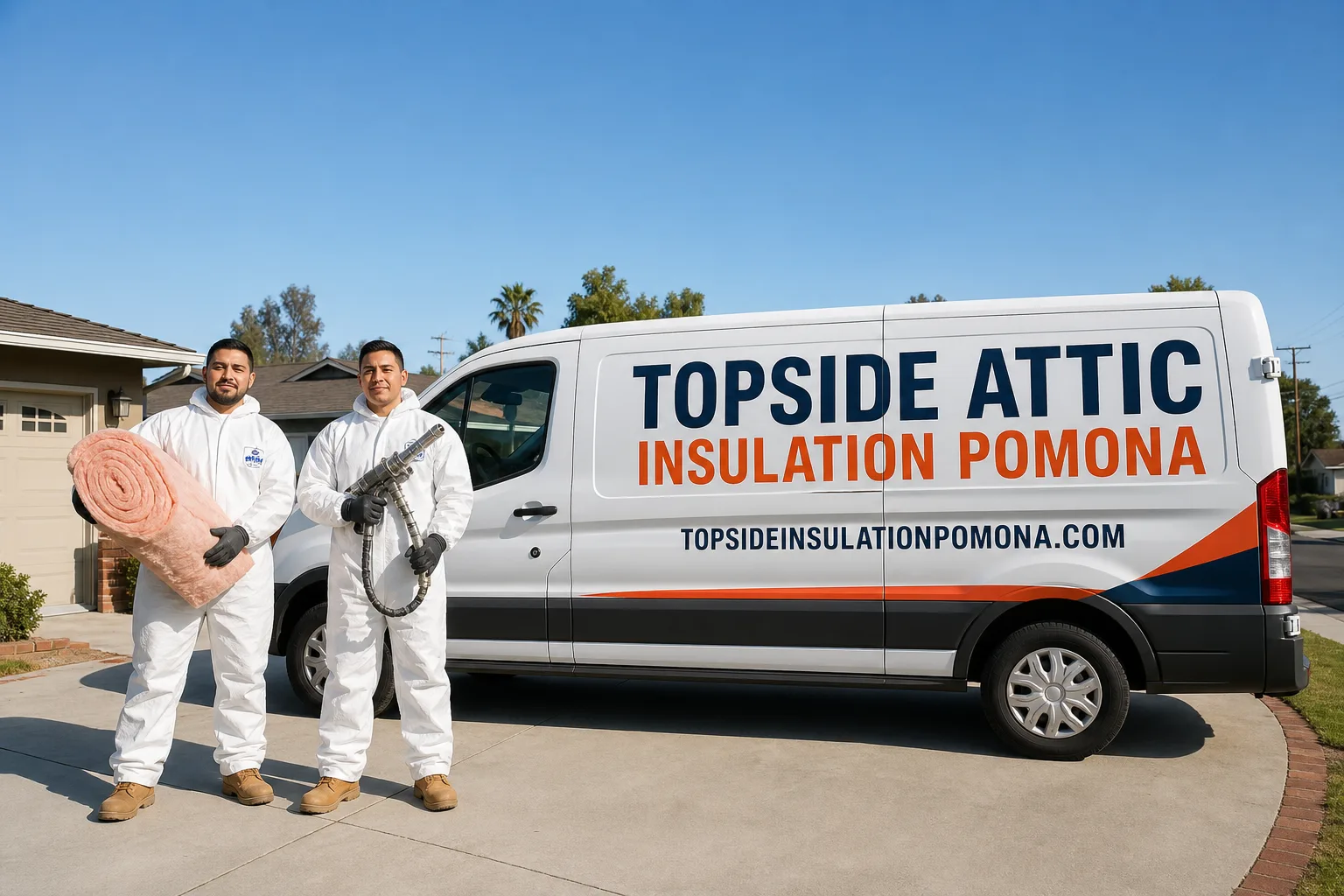
How Much Does Attic Air Sealing Cost in Pomona?
Attic Air Sealing services in Pomona, CA typically cost between $850 and $2,400 for a standard single-family home, with most jobs landing around $1,200 to $1,600 when the attic is accessible and the home is between 1,200 and 2,000 square feet. That price covers the sealing of top plates, recessed-light penetrations, plumbing chases, and any other bypasses in the attic floor - the work that actually stops conditioned air from escaping before insulation is ever added.
If your home is in the 91766, 91767, or 91768 zip codes and was built before 1990, expect the upper half of that range: older Pomona construction tends to have more unsealed penetrations and larger top-plate gaps than tract homes built after 2000. Pomona’s Inland Valley location also means attics run hotter than coastal areas for more months of the year, which makes those air leaks cost more per dollar of wasted energy than they would in, say, Pasadena or Arcadia.
Attic Air Sealing Cost Breakdown (2026)
Attic air sealing in Pomona is priced either as a standalone scope or bundled with insulation installation. The line items below reflect standalone pricing in the current Pomona market. Every figure is before any utility rebate or Southern California Edison incentive, which can reduce the net cost significantly (more on that below).
| Scope of Work | Typical Pomona Price Range (2026) |
|---|---|
| Air sealing only – small home (under 1,200 sq ft) | $850 – $1,100 |
| Air sealing only – mid-size home (1,200 – 2,000 sq ft) | $1,100 – $1,600 |
| Air sealing only – larger home (2,000 – 3,000 sq ft) | $1,500 – $2,400 |
| Air sealing + blown-in insulation (mid-size, combined) | $2,200 – $3,800 |
| Blower-door test (before and after, standalone) | $200 – $350 |
| Access hatch installation or upgrade (if needed) | $150 – $300 |
| Recessed-light (can-light) air-sealing caps – per fixture | $15 – $30 per fixture |
| Spray foam sealant at top plates and chases – per linear foot | $3 – $7 per linear foot |
A few clarifications on what these numbers mean in practice. The per-fixture and per-linear-foot figures are not how contractors typically quote a job – they are the underlying cost drivers. A Pomona home with 22 recessed lights (common in early-2000s construction near South Garey Avenue) adds roughly $330 to $660 in can-light caps alone. A home on Kingsley Drive with original 1950s framing and large, open top plates can require 150 or more linear feet of foam, adding several hundred dollars beyond the base scope. The written price you receive before any work starts at Envelope Insulation Co. will itemize these specifics – you won’t see a vague lump sum and wonder what it covers.
When air sealing is bundled with insulation installation, the labor overlap typically reduces the combined price by 10 to 20 percent compared to scheduling each scope separately. That bundled range – $2,200 to $3,800 for a mid-size Pomona home – is what most of the 9,000+ homes Envelope has sealed and insulated since 2016 have looked like when the scope covered both steps in a single visit.
What Affects Attic Air Sealing Pricing in Pomona
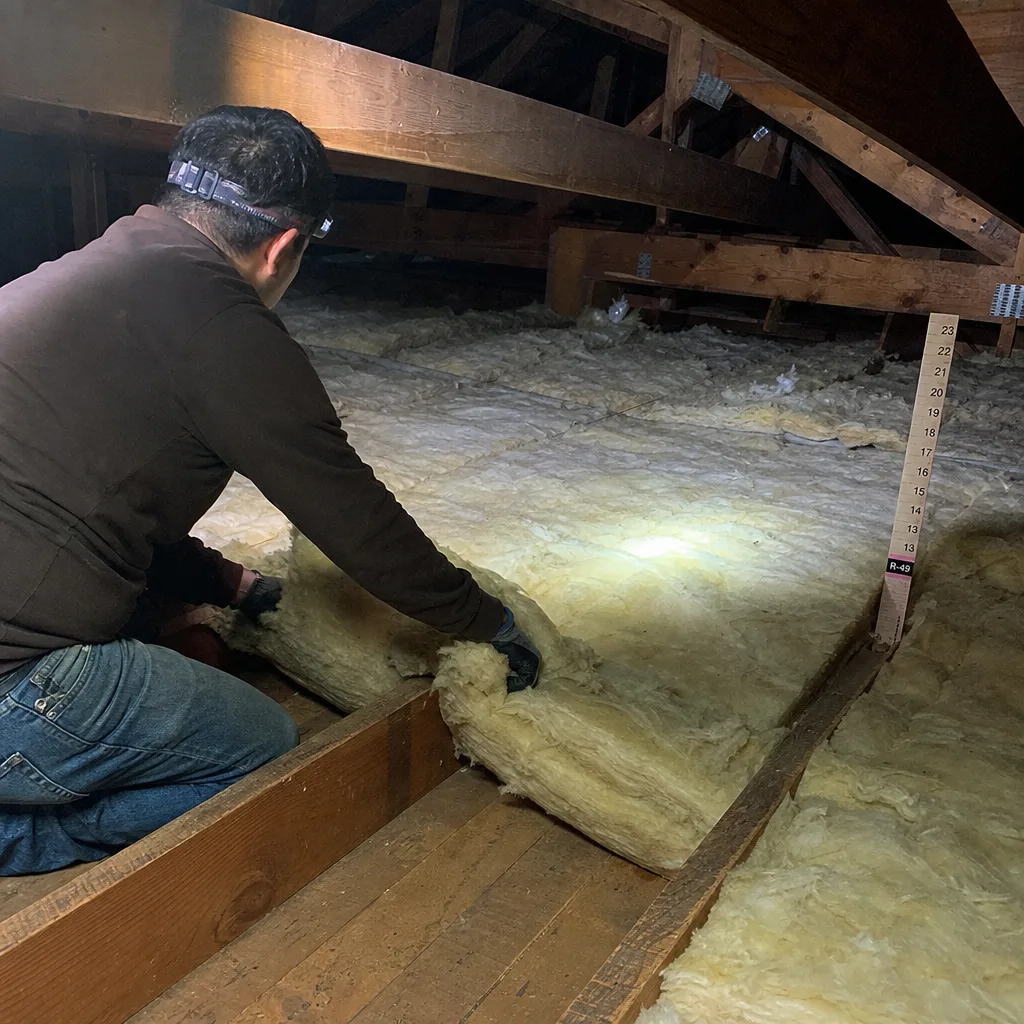
Several factors push a job toward the low or high end of those ranges. None of them are arbitrary – each one translates directly to labor hours or material quantity.
- Attic square footage and ceiling height. A 2,200-square-foot ranch-style home in the College Park neighborhood has more attic floor to seal than a two-story in Ganesha Hills of similar living area, because two-story homes stack some of that area vertically. More floor area means more linear footage of top plate, more penetrations, and more time with a technician in the attic.
- Number and type of penetrations. Recessed lights, plumbing vents, HVAC supply and return chases, and electrical boxes all require individual sealing. Pomona homes built between 1985 and 2005 – a large share of the housing stock east of Garey Avenue – often have eight to thirty recessed lights punched through the attic floor with no air barrier at all. Each one is a stack-effect chimney for conditioned air.
- Attic accessibility. A walk-up attic with a standard 22×54 hatch and reasonable headroom costs less to seal than a low-pitch attic (common in 1940s and 1950s Pomona bungalows near Lincoln Park) where a technician has to work flat on a board. Tight spaces slow the work and raise labor cost.
- Pre-existing insulation that must be moved. If the attic already has insulation over the areas that need sealing, that material has to be pulled back, stacked, or removed before the sealing work begins. This adds labor time and, if the insulation is contaminated or degraded, possible disposal cost. Pomona homes that have had multiple insulation top-offs over the decades sometimes have four inches of old blown-in sitting on top of the penetrations that actually need sealing.
- Condition of existing air barrier components. Drywall gaps, cracked top-plate fire blocking, and deteriorated weatherstripping around attic hatches all extend the scope. In the Phillips Ranch area, we regularly find that the HVAC platform – the framed box the air handler sits on – is open to the attic on two or three sides. Sealing that platform adds material and time that a phone-quote estimate would never catch.
- Local climate load on the building envelope. Pomona sits in the Inland Valley, where summer attic temperatures routinely exceed 150 degrees Fahrenheit – meaningfully hotter than coastal Los Angeles. That temperature differential puts more stack-effect pressure on every penetration, which means air leaks in a Pomona attic work harder and waste more energy per gap than the same gap would in a cooler climate. It doesn’t change the sealing price directly, but it does affect how urgently unsealed penetrations should be addressed and how much performance gain a blower-door test will show after the work is done.
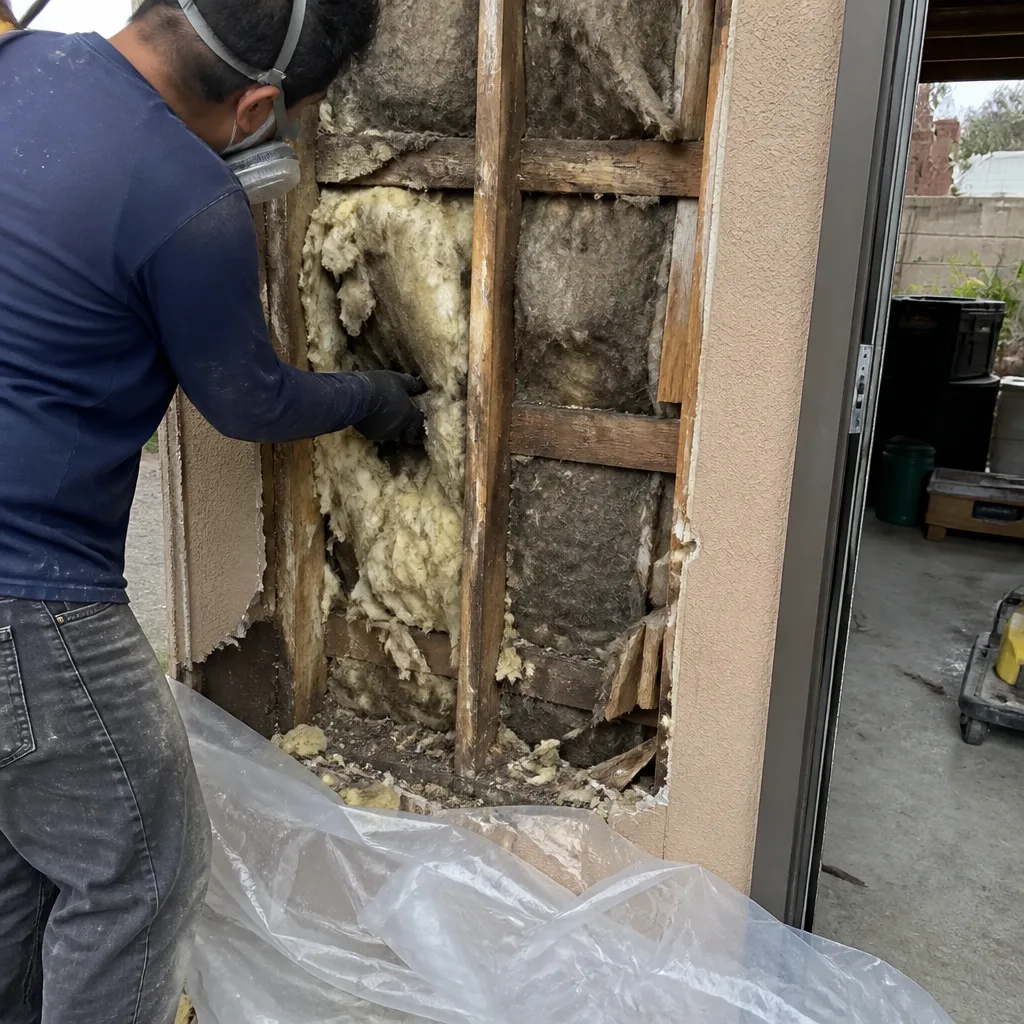 Before
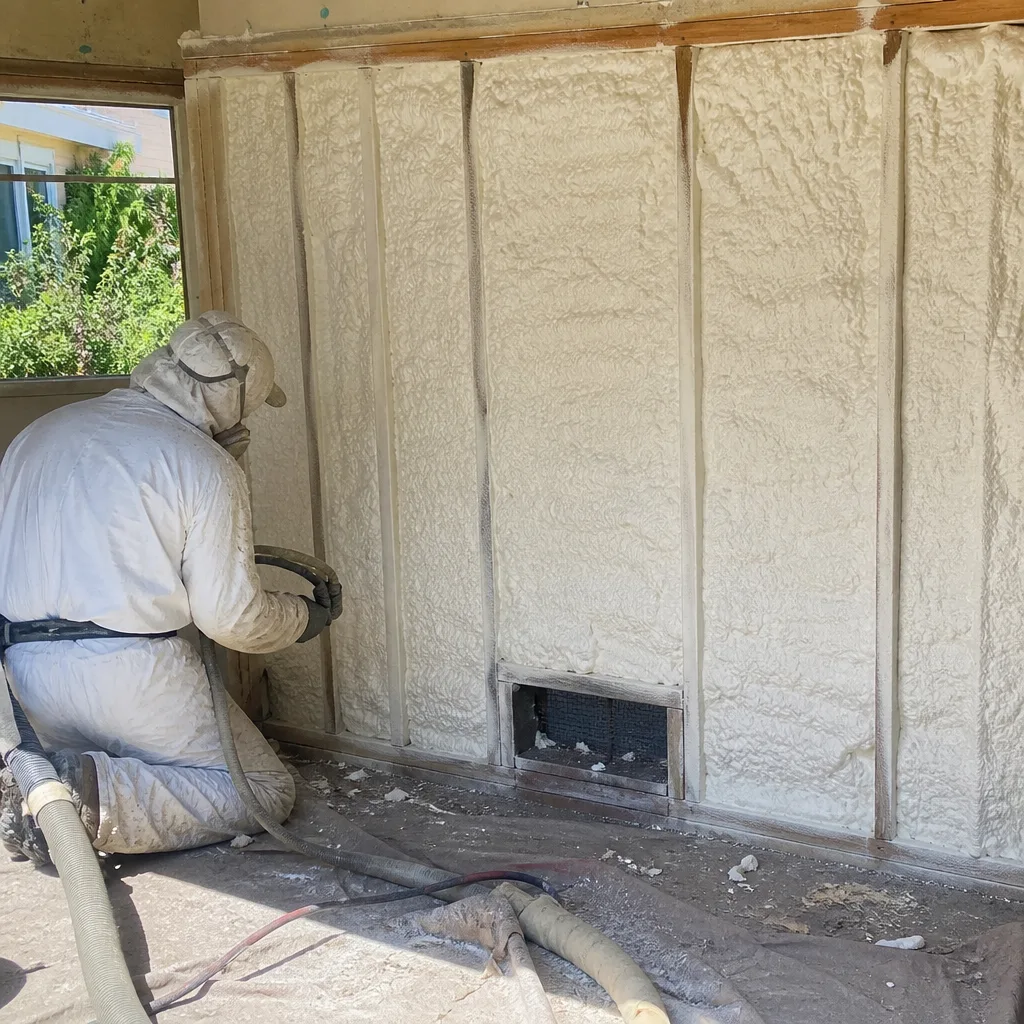 After
AfterHow Envelope Insulation Co. Prices the Work – and What You Receive in Writing
Before anyone lifts a tool, you receive a written scope, a flat price, and a written warranty. That is Haven Standard Clause 1, and it applies to every job regardless of size. There is no “we’ll let you know once we get up there” pricing at Envelope. If the attic assessment turns up something the initial walkthrough didn’t reveal – say, an open wall chase behind a bathroom that’s routing hot attic air directly into the living space – we stop, document it, and present a revised written price before any additional work is done.
On every applicable job, we run a blower-door test – a pressurization measurement that shows, in a single number (CFM50 – cubic feet per minute of air flow at 50 pascals of pressure), how much conditioned air the building envelope was losing before sealing and how much it loses after. A home in Pomona’s Westmont neighborhood recently read 3,900 CFM50 before sealing; after top-plate and penetration sealing, it read 2,050 CFM50. That 47 percent reduction is documented – it goes into the Documented Photo Record that every customer receives when the crew leaves. You don’t have to take our word for it; you have the numbers.
The 365-Day Done Right Promise applies to all completed work. If the sealing fails or a bypass is missed and we can verify it, we return and make it right. That promise is written into the scope document you receive before work starts, not mentioned verbally and forgotten.
How to Save on Attic Air Sealing in Pomona
Southern California Edison and SoCalGas Rebates
Pomona homeowners served by Southern California Edison may qualify for rebates under the Energy Upgrade California program and SCE’s own home upgrade incentives. Depending on the scope and your home’s baseline energy use, rebates for air sealing and insulation combined have ranged from $200 to over $1,500 in recent years. These programs change annually; the most current figures are at the SCE website directly. A legitimate contractor can walk you through what documentation the utility requires – typically a pre- and post-job blower-door reading, which Envelope provides as standard on applicable jobs rather than as an add-on.
Bundle the Air Sealing With Insulation
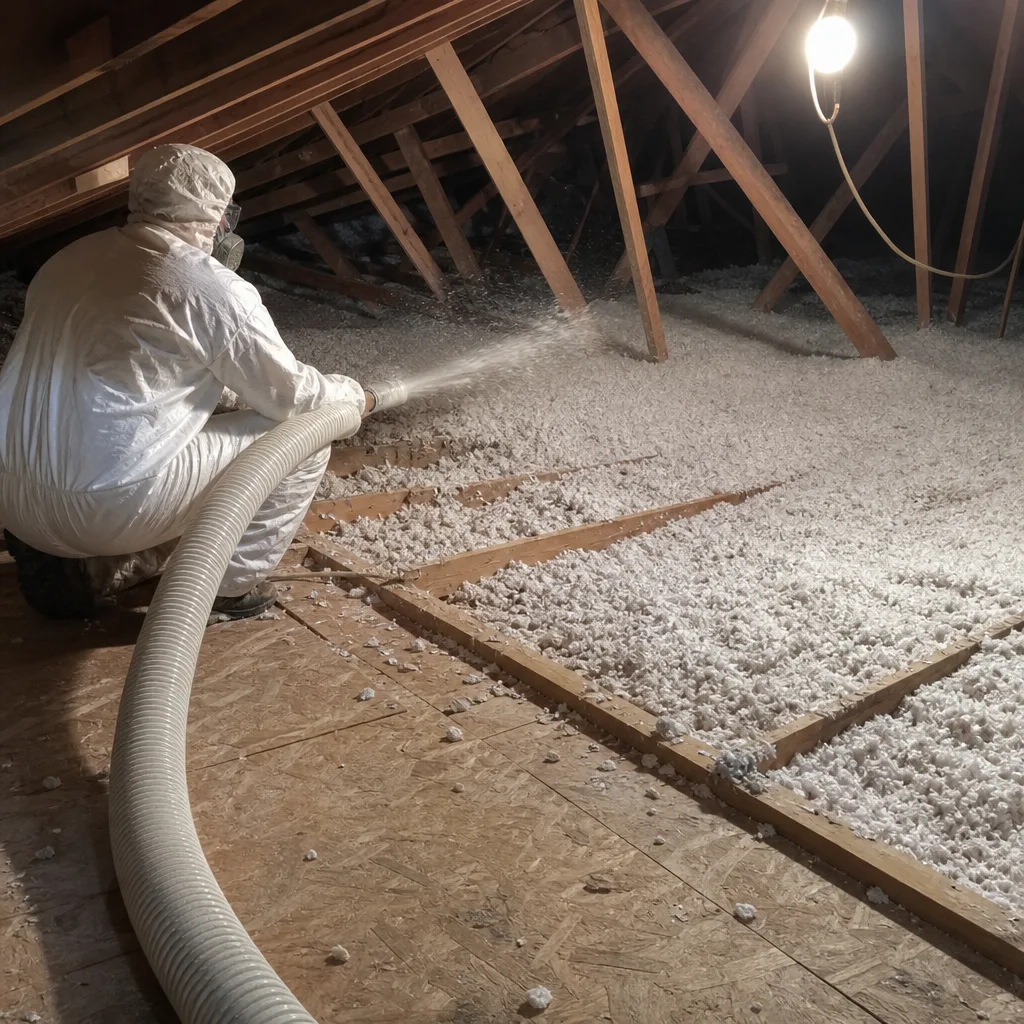
If your attic insulation is also due for an upgrade (R-38 or higher is the current recommendation for Pomona’s climate zone, Climate Zone 10), scheduling both scopes in one visit reduces combined labor cost by roughly 10 to 20 percent. The crew is already in the attic; sealing before insulating is the correct sequence regardless, so bundling is both the cost-efficient and technically correct approach. Envelope will not install blown-in insulation over an unsealed attic floor – air sealing is completed first, confirmed, then insulation goes in. That sequence is non-negotiable.
Get a Second Opinion on Any Written Estimate
If you have a written estimate from another contractor, bring it to Envelope and we’ll read through it with you at no charge. This is the Free Second Opinion offer, and it exists because a written scope tells you a lot about how a contractor thinks about the work. Vague line items, no mention of blower-door verification, and labor bundled with materials in a single number are all signs worth understanding before you sign. Call (562) 242-7569 and ask for Wes Okafor – he’ll go through it with you.
Schedule During Off-Peak Booking Windows
In Pomona, the highest-demand months for attic work are April through June (before peak summer heat) and October through November (before utility bills climb). If your timeline allows, scheduling in January through March often means faster availability and, in some cases, a contractor willing to be more competitive on price to maintain crew utilization. This applies across the market, not just to Envelope.
Don’t Skip the Blower-Door Test
This sounds counterintuitive as a savings tip because the test adds to the upfront cost. But a pre-job blower-door reading tells you exactly how leaky the building envelope is, which determines whether air sealing alone will move the needle or whether you need a more aggressive scope. Without that baseline number, you’re guessing at the problem size. Homeowners who skip the test sometimes pay for air sealing and see minimal change in their energy bills because the dominant bypass was somewhere other than the attic floor – something a blower-door reading would have identified. The test is included in the scope on applicable Envelope jobs rather than priced as a separate line item you have to request.
Pomona-Specific Notes: What We See in Local Attics
Pomona’s housing stock is unusually varied for a single city. The Lincoln Park and Westmont neighborhoods have homes dating to the 1920s and 1930s, with balloon-frame construction and wall cavities open to the attic – a stack-effect problem that standard top-plate sealing alone won’t fully solve. The Ganesha Hills area tends toward 1950s and 1960s ranch styles with reasonable attic access but heavily perforated drywall ceilings from multiple electrical and plumbing retrofits over the decades. Phillips Ranch, developed largely in the 1980s, has better baseline construction but a high density of recessed fixtures installed by original builders before energy codes tightened.
South Pomona, particularly in the 91766 zip code around Garey Avenue, has a concentration of mid-century rentals that have cycled through multiple owners and multiple insulation top-offs. In those attics we frequently find old fiberglass batts, a layer of blown cellulose on top of that, and penetrations that were never addressed at any stage. Pulling that material back to seal properly adds time and cost – but skipping it and just adding more insulation on top is exactly the mistake that leaves homeowners with better R-values and the same leaky envelope they started with.
For a full picture of what Attic Air Sealing in Pomona involves beyond the pricing – including what a typical scope looks like and how the blower-door documentation works – that page covers the process in detail. And if you’re starting with general research on what Envelope does across the building envelope, the home page lays out the full service line.
FAQs – Attic Air Sealing Cost in Pomona
How much does attic air sealing cost in Pomona, CA in 2026?
Most Pomona homes fall between $850 and $2,400 for standalone attic air sealing, with the majority of mid-size homes (1,200 to 2,000 square feet) landing between $1,100 and $1,600. Homes with many recessed lights, poor attic access, or older construction that requires more penetration sealing tend toward the higher end. Call (562) 242-7569 for a free on-site estimate – you’ll receive a flat written price before any work starts.
Is attic air sealing worth the cost in a Pomona climate?
Yes, and more so than in coastal markets. Pomona’s Inland Valley location means attic temperatures regularly exceed 150 degrees Fahrenheit in summer. Every unsealed penetration acts as a pressure-driven bypass that pulls hot attic air into living spaces and pushes conditioned air out. Homes in Pomona that go from 3,500 CFM50 to under 2,000 CFM50 after sealing typically see meaningful reductions in HVAC runtime within the first full cooling season – the blower-door numbers before and after document the change so it isn’t guesswork.
Can I just add more insulation instead of air sealing?
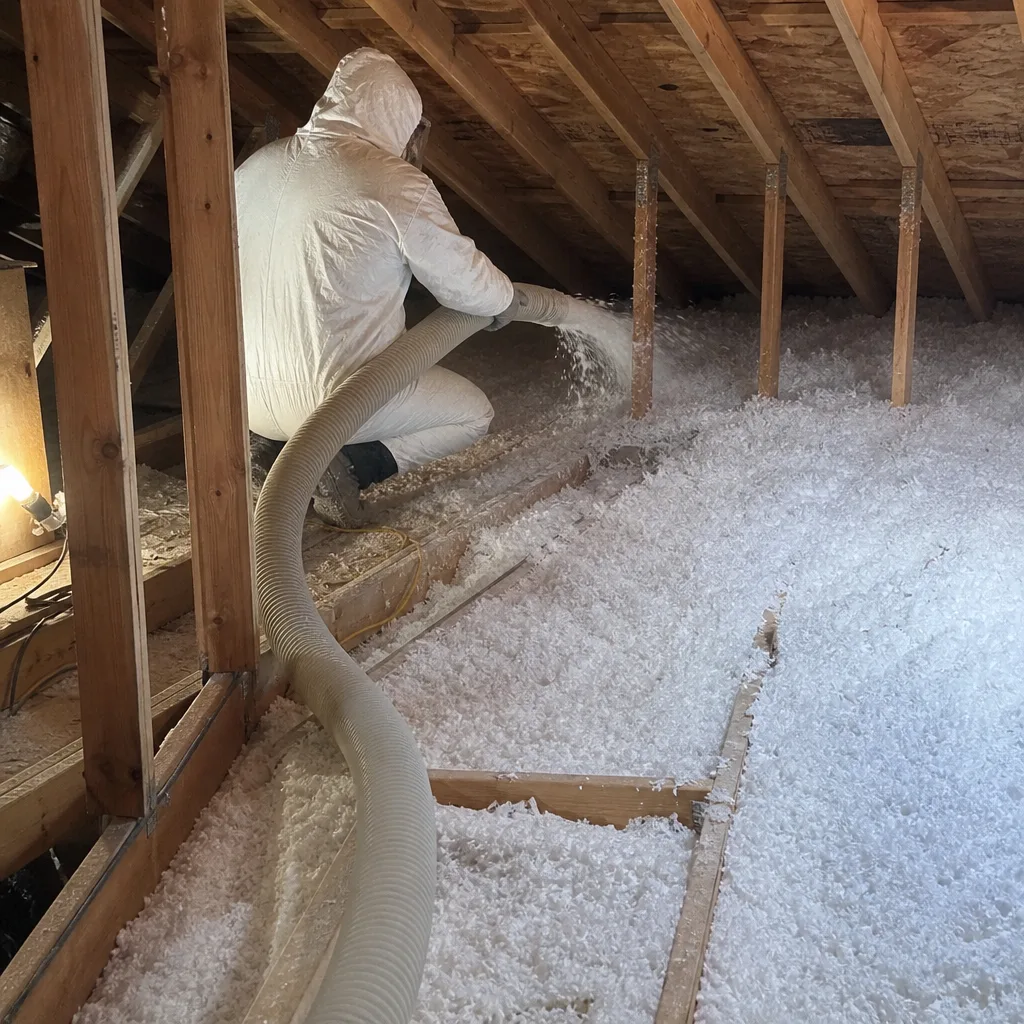
Adding insulation without sealing first is one of the more common and costly mistakes in attic work. Insulation slows conductive heat transfer; it does almost nothing to stop air movement. A bypass at an unsealed top plate moves conditioned air right past two feet of blown cellulose the same way wind moves through a wool sweater with a zipper left open. Envelope will not install blown-in insulation over an unsealed attic floor, because the sequence matters: seal first, then insulate. If a contractor offers to skip the sealing step to save money, the insulation they install will underperform its rated R-value on any windy or high-pressure-differential day.
How long does attic air sealing take in a typical Pomona home?
A mid-size Pomona home – 1,200 to 2,000 square feet – typically takes 4 to 8 hours for the sealing work alone, depending on penetration count and accessibility. Homes with 20 or more recessed lights, open wall chases, or low-pitch rooflines that limit mobility take longer. When air sealing is bundled with insulation installation, the combined job usually runs 6 to 12 hours for a single crew. Wes Okafor can give you a tighter estimate once the attic has been assessed.
Does attic air sealing qualify for rebates in Pomona?
Pomona homeowners served by Southern California Edison may qualify for Energy Upgrade California rebates, which have covered between $200 and $1,500+ for combined air sealing and insulation scopes in recent years. Rebate amounts depend on your home’s baseline energy use and the scope of work completed. SCE typically requires documentation of the pre- and post-job air leakage rate – a blower-door test in the right format – which Envelope provides on applicable jobs as part of the standard Documented Photo Record. Check current program availability directly with SCE before scheduling, as program terms change.
Is attic air sealing safe for homeowners to do themselves?
Partial DIY sealing – weatherstripping an attic hatch, for example – is low-risk. Sealing around recessed-light fixtures, however, requires attention to rated clearances: some can lights must maintain air space from insulation for fire safety reasons, and sealing them incorrectly can create a heat buildup hazard. Spray foam applied to electrical boxes or junction covers can also create code violations if it restricts access to live wiring. For penetrations near electrical components or HVAC equipment, a trained technician is the right call – both for the quality of the seal and for safety. The labor cost to do it correctly is a small fraction of the cost of an electrical problem caused by improper sealing.
Key Takeaways
- Attic air sealing in Pomona costs $850 to $2,400 for most homes, with the typical mid-size job running $1,100 to $1,600.
- Pomona’s Inland Valley heat load makes air sealing more impactful than in coastal markets – attic temperatures above 150 degrees drive significant stack-effect pressure through every unsealed bypass.
- Older neighborhoods (Lincoln Park, Westmont) and mid-century rentals near South Garey Avenue often require more extensive sealing work than post-2000 construction in Phillips Ranch.
- Bundling air sealing with insulation in one visit saves 10 to 20 percent on combined labor – and is the correct technical sequence regardless.
- Southern California Edison rebates can reduce net cost by $200 to $1,500+; a documented blower-door test is typically required to claim them.
- Envelope Insulation Co. provides a written price before any work starts, before-and-after blower-door numbers on applicable jobs, and a 365-Day Done Right Promise backed in writing.
- Never add insulation over an unsealed attic floor – the sequence is seal first, insulate second, and Envelope won’t do it the other way around.
Get a Written Price for Your Pomona Attic
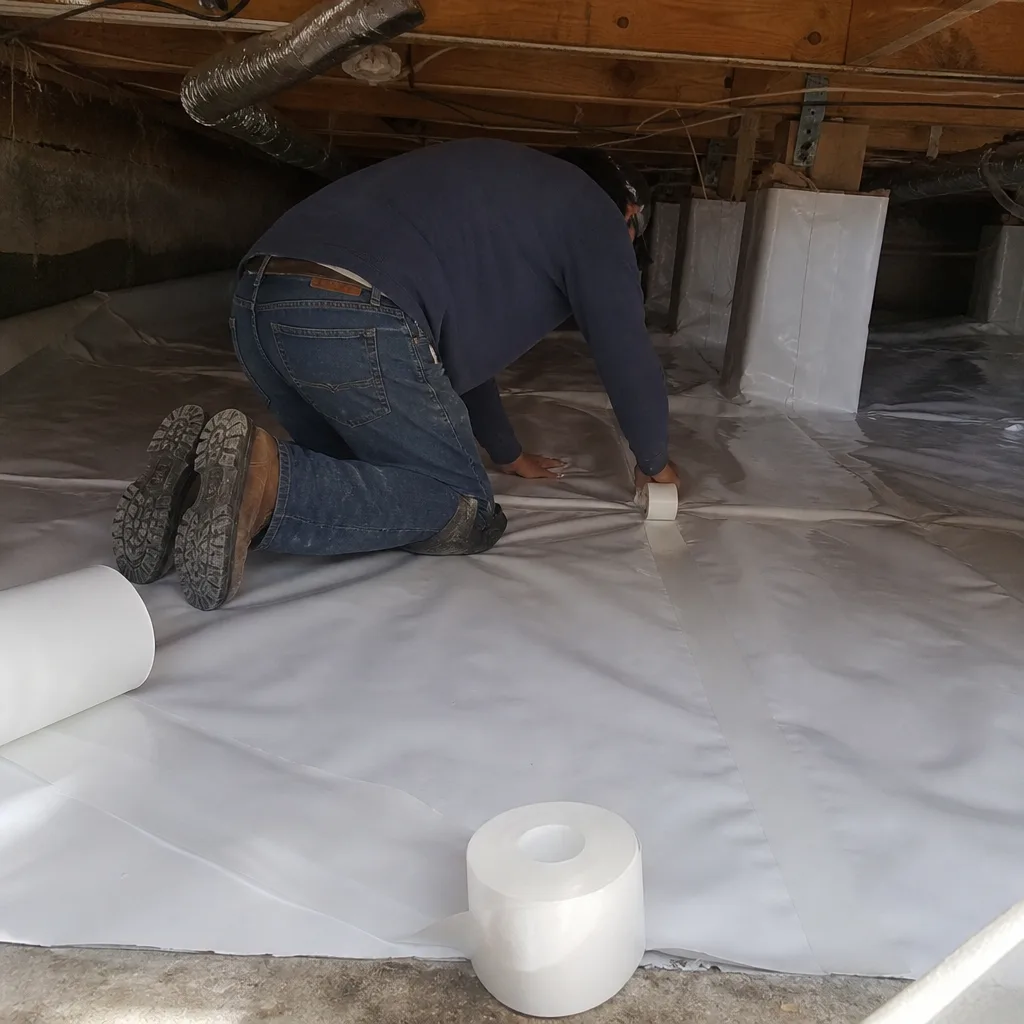
Wes Okafor and the crew at Envelope Insulation Co. have been working in Pomona attics since 2016 – more than 9,000 homes sealed and insulated across the Inland Valley, every one with a written price before work started and a Documented Photo Record when the crew left. If you have a competing written estimate, bring it. Under the Free Second Opinion offer, we’ll read through it with you at no charge so you understand exactly what you’re being quoted for.
To schedule a free on-site assessment and receive your written price, call (562) 242-7569. A live person answers – no voicemail loops, no callback window measured in business days. The assessment is free, the price is written, and the work doesn’t start until you’ve signed off on both.
Pricing reflects the Pomona market as of 2026. Topside Attic Insulation Pomona offers free estimates – call (562) 242-7569.
Written by Wes Okafor, Owner at Envelope Insulation Co., serving Pomona since 2016.
What Our Customers Say
"They air-sealed the attic floor before insulating and showed me the blower-door number before and after. The upstairs is finally the same temperature as downstairs."
- Marisol D."They photographed rodent damage in the old insulation that we had no idea about, and priced the exclusion work separately so we could decide."
- Harriet N."The winter gas bill dropped by about a third. They had estimated a quarter, so they under-promised."
- Genevieve R.